Gender-based violence
Gender-based violence (GBV) is a violation of human rights. We're working to transform attitudes towards girls and women that perpetuate violence against them.
Every child and young person has the right to live free from violence at home, in school, in public spaces, in their communities and online.
The increase in conflict and crises across the globe increases the risk of violence against girls and young women. As the use of digital technology increases, girls and young women are being exposed to increased risks of online gender-based violence and sexual exploitation.
We prevent and respond to violence against children and young people, and promote their right to live free from violence and fear. Violence can have serious and long-lasting impacts on children’s physical, mental and emotional health and well-being, and future ability to thrive.
Girls are more likely to experience certain forms of violence such as sexual violence, exploitation and trafficking. Girls and young women are disproportionally impacted by violence due to their age and gender, which can also intersect with factors such as race, disability, ethnicity and whether they are part of the LGBTIQ+ community, to further increase the risks they face.
Violence against girls and young women has multiple causes and consequences, therefore it requires a comprehensive approach that addresses its root causes and promotes gender equality, as well as support and protection for survivors.
Our child protection work emphasises children’s rights and well-being, ensuring they grow up in environments free from any type of violence.
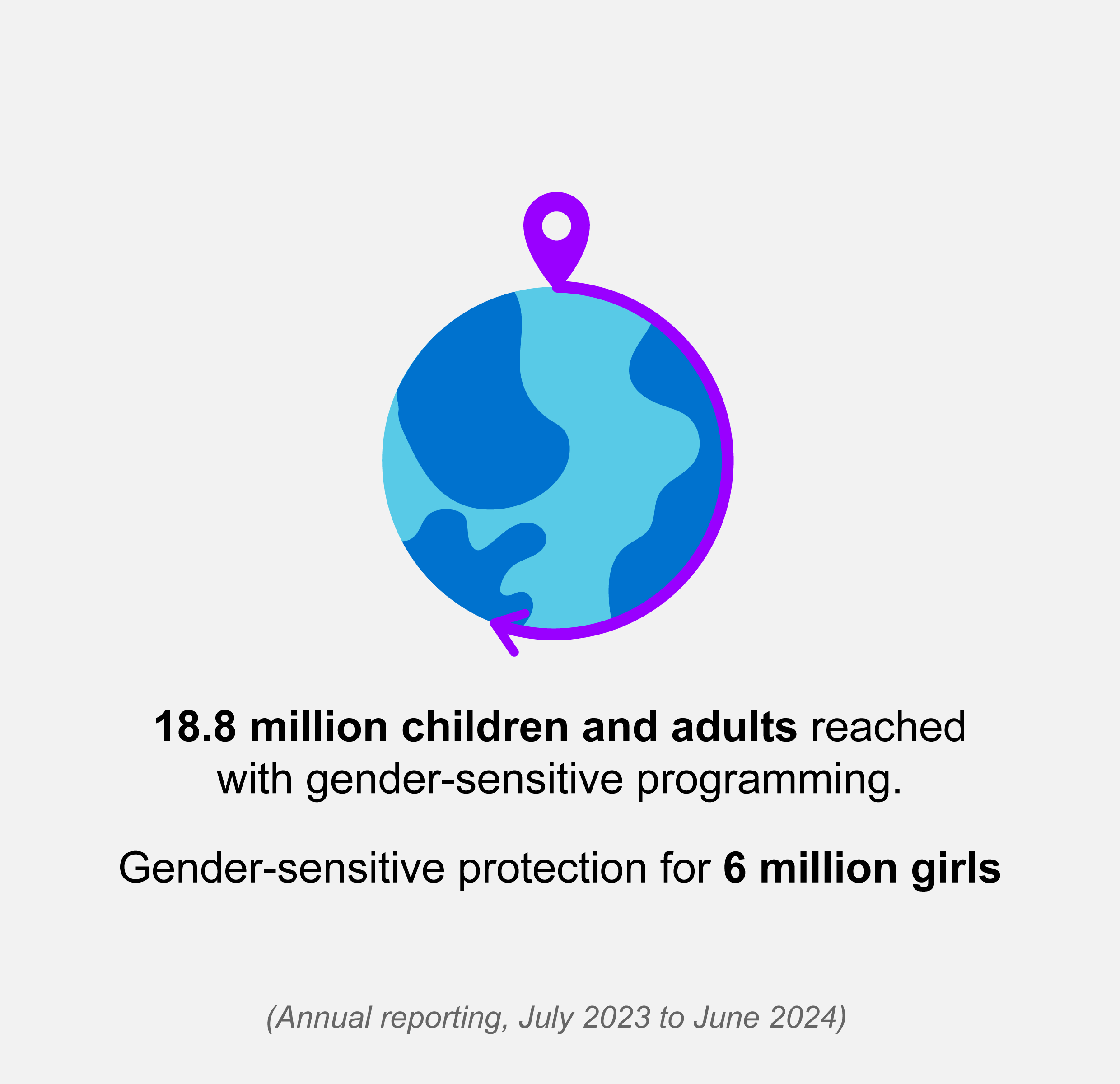
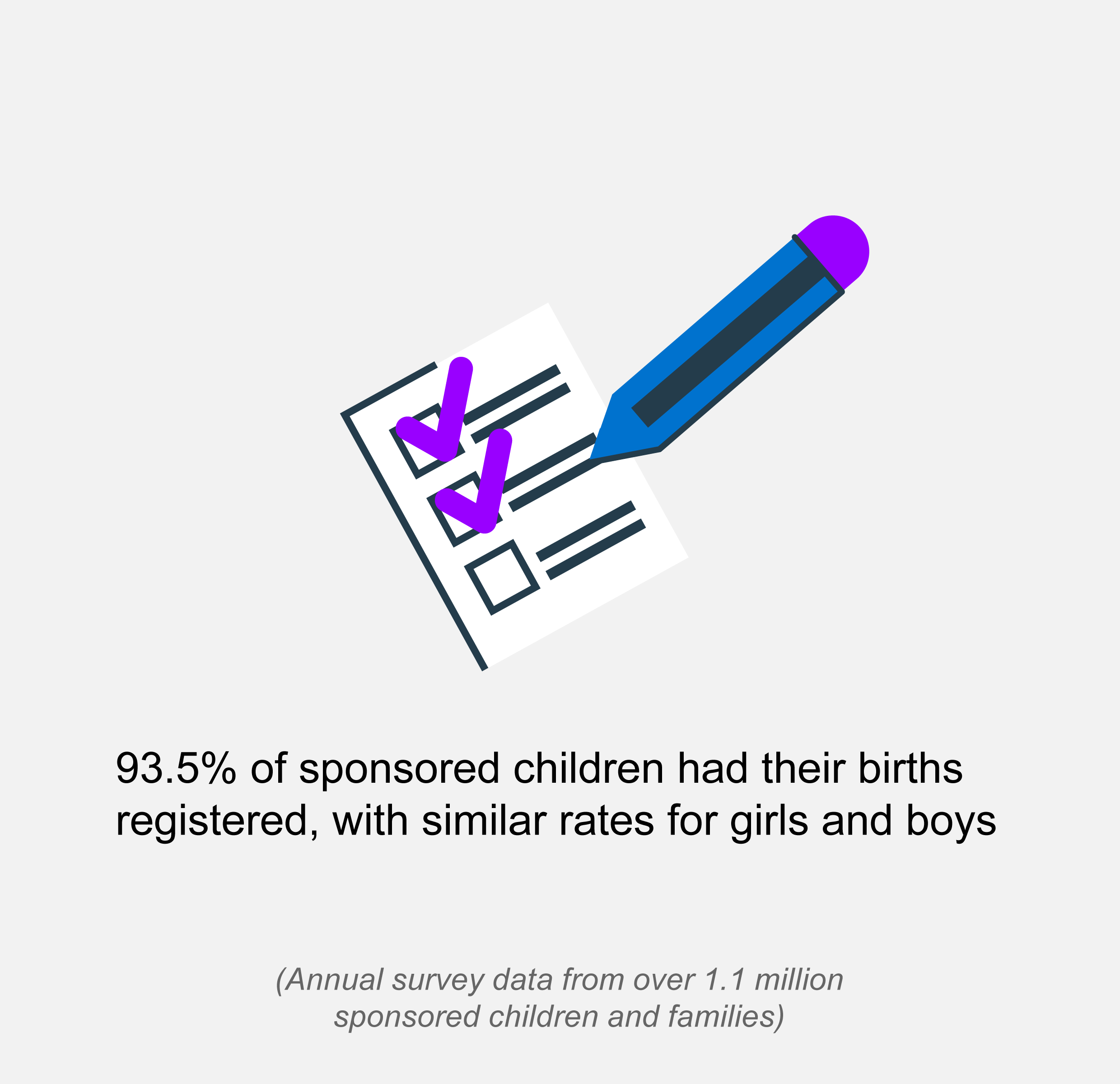
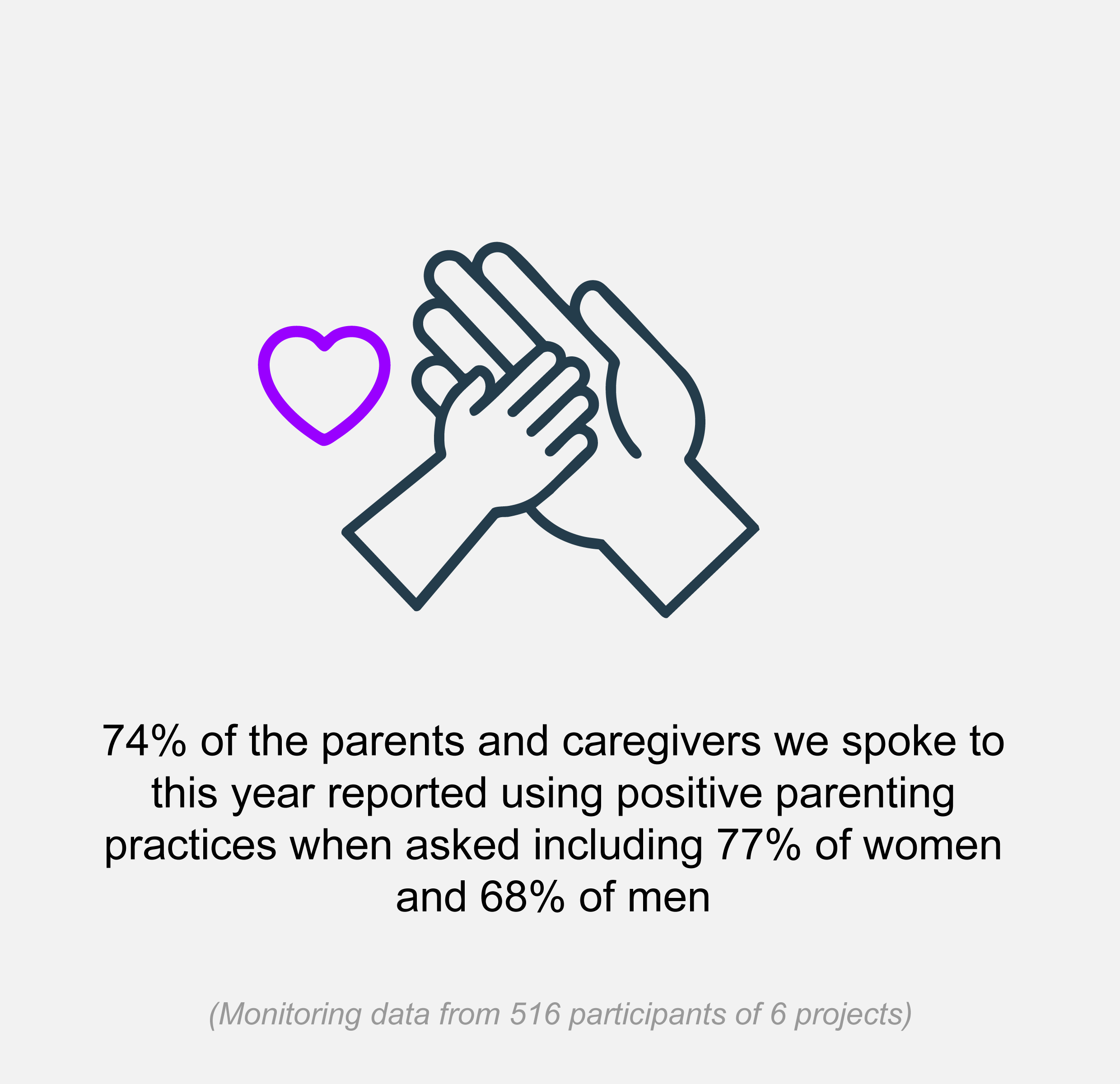
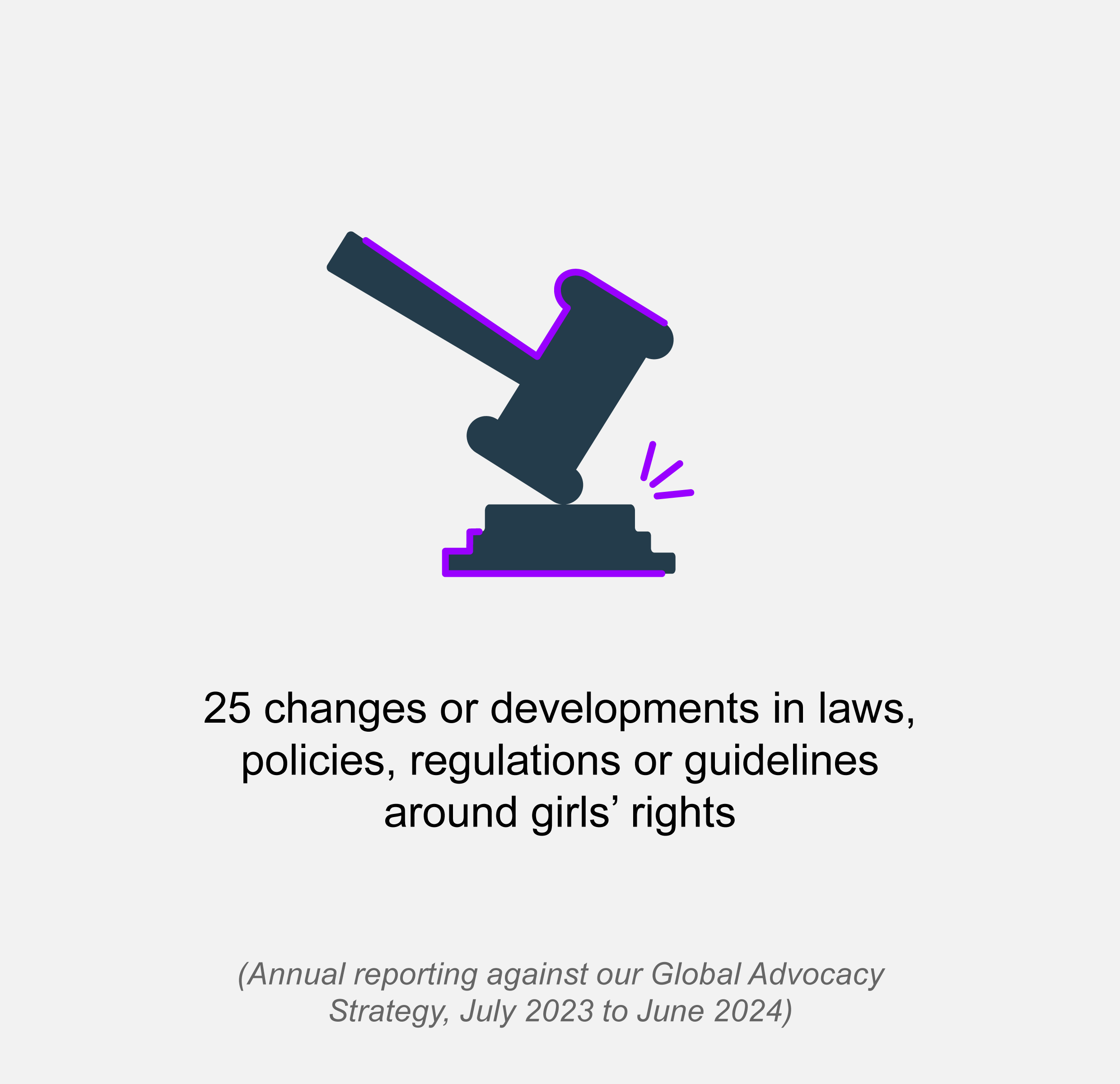
Our global impact in protection from violence
Click on the graphics below to explore our impact in 2024.