Plan urges action on Sudan’s deepening humanitarian crisis
Plan International responds to UN El Fasher report, urging action on Sudan’s deepening humanitarian crisis.
Ukraine Crisis – four years on.
24 February 2026 marks four years since the escalation of the conflict in Ukraine.
Four years after the conflict in Ukraine escalated into a full-scale war, the humanitarian situation remains one of the world’s most complex and protracted.
Recurrent displacement, intensifying strikes on energy, health and education infrastructure, and prolonged disruption of schooling and social services have left millions facing intersecting risks.
In 2026, an estimated 10.8 million people remain in need of humanitarian assistance in Ukraine. However, fighting, funding cuts and administrative barriers make it increasingly difficult to reach affected people.
Ukraine’s humanitarian crisis is no longer only about immediate needs, but about safeguarding dignity, preventing irreversible harm, and protecting a generation of children and young people.
Four years into full-scale war, the response must address long-term trauma, weakened community structures, and the overlapping vulnerabilities faced by many.
Plan International and our partners will continue to be there for the people of Ukraine – through conflict and as they rebuild and recover.
Since February 2022, Plan International has been delivering humanitarian assistance in Ukraine and neighbouring countries through a partner-led model, with local organisations leading implementation.
To date, the response has reached over 1.7 million people across Ukraine, Poland, Romania, and Moldova through 87 projects with 65 local partners, channeling more than 70% of funding directly to these partners to strengthen local leadership and projects’ sustainability.
We focus on several priority areas in which Plan International can add value and offer expertise:
Plan International aims to continue the efforts in strengthening child protection systems and to reinforce leadership and representation expertise of its partners to ensure girls and boys and youth affected by the crisis, including those from host communities, are protected from violence, abuse, neglect and exploitation and their families have support to prevent negative coping mechanisms.
This includes activities such as the provision of mobile child protection teams, with trained psychologists and social workers, the identification and registration of unaccompanied and separated minors and other vulnerable children, and the provision of cash and voucher or food assistance to support families to meet their basic needs.
This also includes training to public workers, such as border staff, teachers and other frontline workers, as well as all Plan International staff, partner staff on safeguarding and prevention of sexual harassment, exploitation, and abuse to ensure this is imbedded throughout the response.
Psychosocial support programmes have been a cornerstone of Plan International’s response, addressing the mental health needs of children and families. Efforts include training local counsellors, establishing community support centres and raising awareness of mental health services, providing vital emotional relief and stability to affected families.
Watch our video on the mental health impacts of the war in Ukraine:

Ensuring girls, boys and youth affected by the crisis have access to safe, inclusive and quality education through the provision of tablets and computers for online learning, support with registration and learning materials for in person learning, as well as repairs and refurbishment to damaged schools to ensure they provide the right, protective environment for learning.
Nearly one million children and 40,000 teachers affected by the destruction of schools have benefited from online and hybrid learning models, temporary learning spaces and educational materials to ensure continuity of education.
It is well recognised that crises affect people differently, exacerbating pre-existing vulnerabilities, including those related to an individual’s age, gender, sexuality, ability, background and social status. As a girls’ rights organisation, Plan International and our partners puts girls at the heart of our work in the region.
Plan International’s commitment to gender equality and youth engagement is evident in its initiatives to empower girls and young people through leadership training, advocacy workshops and support for youth-led projects. These efforts have fostered resilience, agency and tangible results through community-based advocacy campaigns.
Watch our video on the gendered impacts of war in Ukraine:

We recognise the importance of listening to affected communities and encourage their input into the humanitarian response. We have a duty to amplify the voices of marginalised groups eg. children, adolescents, women, people with disabilities, older people, and the LGBTQIA+ community.
Our response is guided by two-way communication with both refugee and host communities.
Watch our video on youth participation and engagement on the reconstruction and recovery of Ukraine:

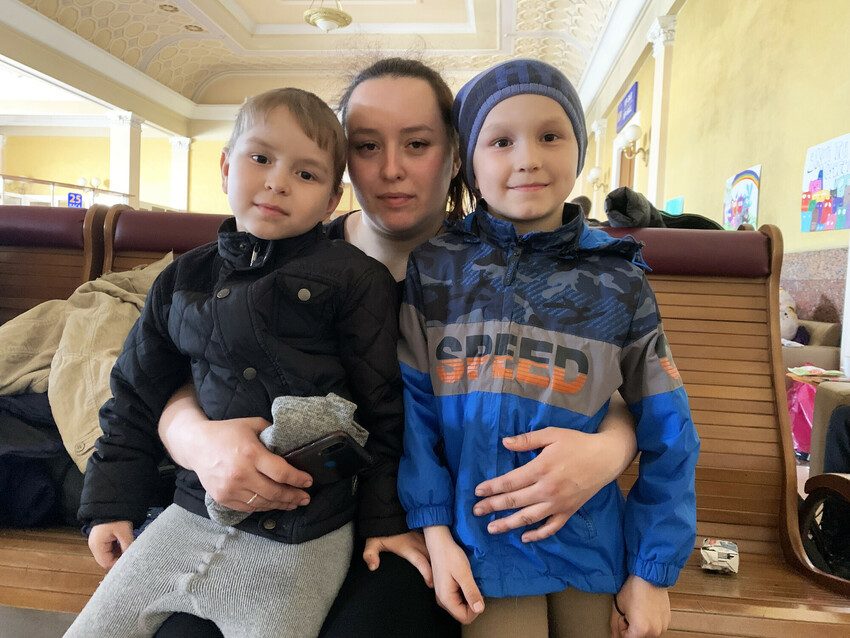
We work alongside Ukraine’s strong civil society organisations focusing on internally displaced persons, in particular children, youth and minority groups.
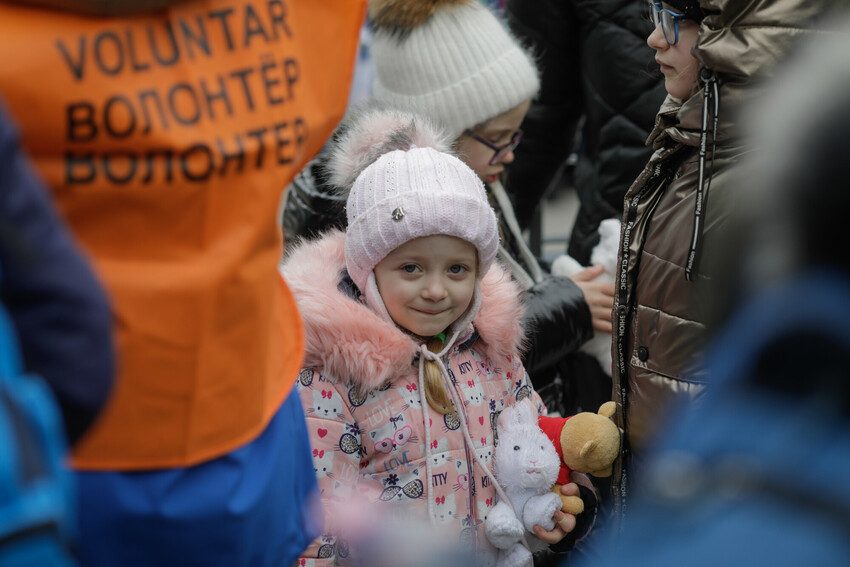
Plan International has been working in Romania since February 2022 to support the government and partner organisations in responding to the arrival of refugees from Ukraine.
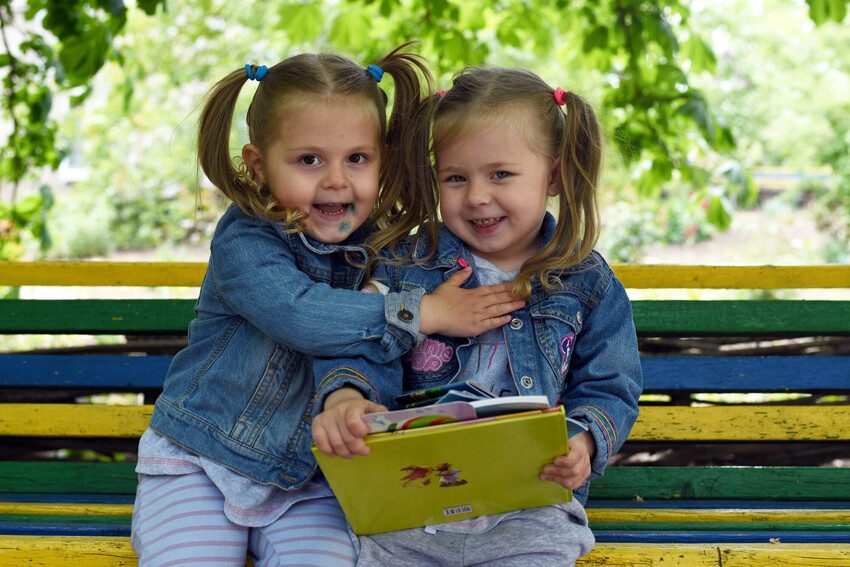
Plan International started operating in Moldova in March 2022 to support the Government, the UN and humanitarian partners in responding to the arrival of refugees from Ukraine.
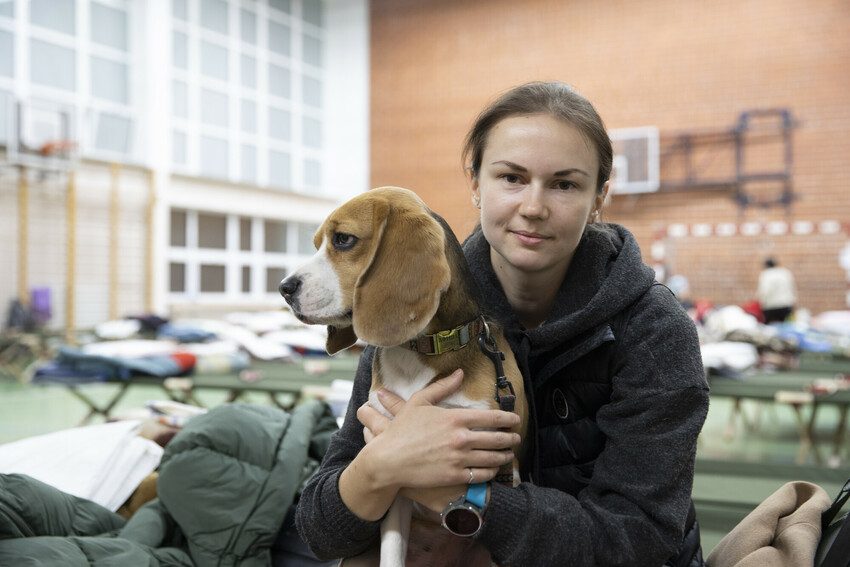
Plan International began operating in Poland in 2022 to respond to the unprecedented scale of refugees fleeing the war in Ukraine and the associated needs of children and their families.


Key contacts: Sven Coppens, Director of Plan International’s Ukraine Crisis Response