Sudan at 1000 days of conflict
Stories that must be told
9 January 2026Giving up is not an option, writes Nahid Ali, Plan Sudan's Communications Manager. As the conflict reaches 1000 days, Nahid urges us to not forget Sudan and instead scale up our support.
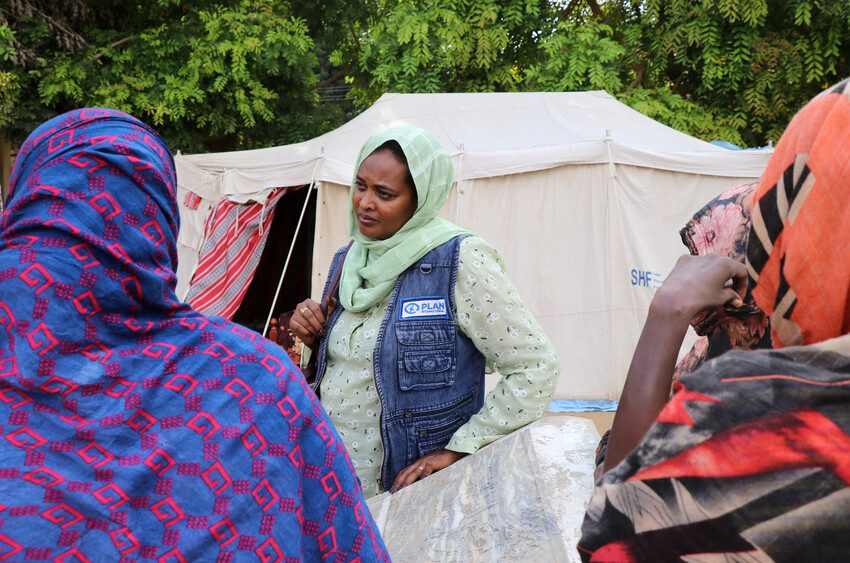
Displaced from her home in Khartoum when the conflict started, Nahid Ali, Plan Sudan's Communications Manager fled her home and moved to Kassala State with her family. Now she is working to ensure that other displaced families have the support they need to rebuild their lives.
During my most recent mission to Al-Aafad in Northern State, Sudan, I met women and girls who had witnessed and survived severe sexual violence while fleeing El Fasher. They described seeing their families killed, their homes destroyed by shelling and their lives shattered overnight.
One woman told me how she had buried her children with her own hands in the yard of her home, after they died of hunger. Another woman I spoke to does not know the fate of her missing husband and son. A young girl told me that her education had stopped when the conflict began, and that she lost her sense of safety after being sexually assaulted while trying to flee El Fasher. Another woman watched her sister die instantly in a shelling attack, leaving seven children behind.
We must not forget Sudan
These are not isolated stories. They are the daily reality for millions of people across Sudan. After nearly 1000 days of conflict, the people of Sudan must not be forgotten by the rest of the world. The scale of the suffering demands sustained international attention, action, and accountability.
“The scale of the suffering demands sustained international attention, action, and accountability.”
Since April 2023, many countries around the world have experienced positive changes, such as progress in development, recovery, and collective efforts to protect our planet for future generations. But in Sudan, the reality could not be more different. Security, health, environmental and education systems continue to deteriorate as a result of the ongoing conflict, which has now lasted 1000 days, and is steadily moving from bad to worse.
As humanitarian workers, we continue to witness the suffering of communities trapped in besieged areas where we have extremely limited access to provide assistance. Aid convoys are frequently delayed, obstructed or even targeted, while unarmed and defenceless civilians are increasingly caught in the crossfire.
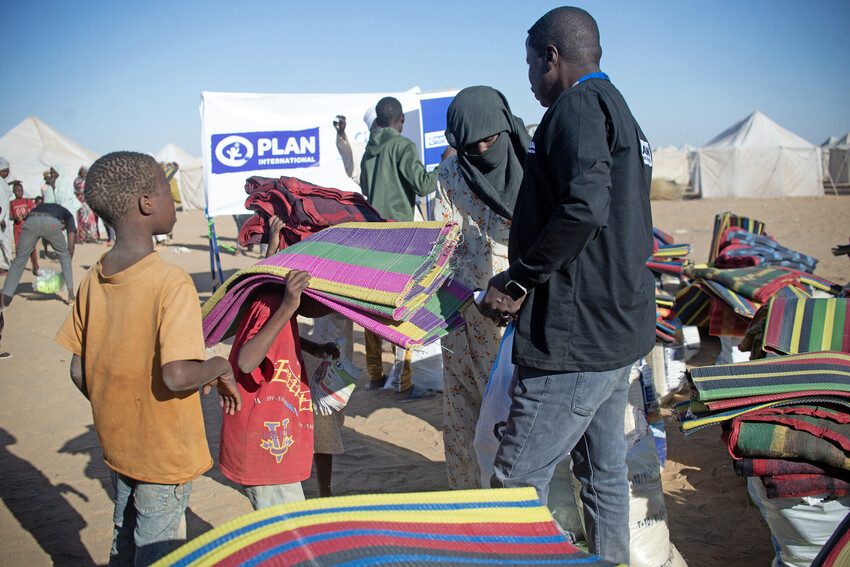
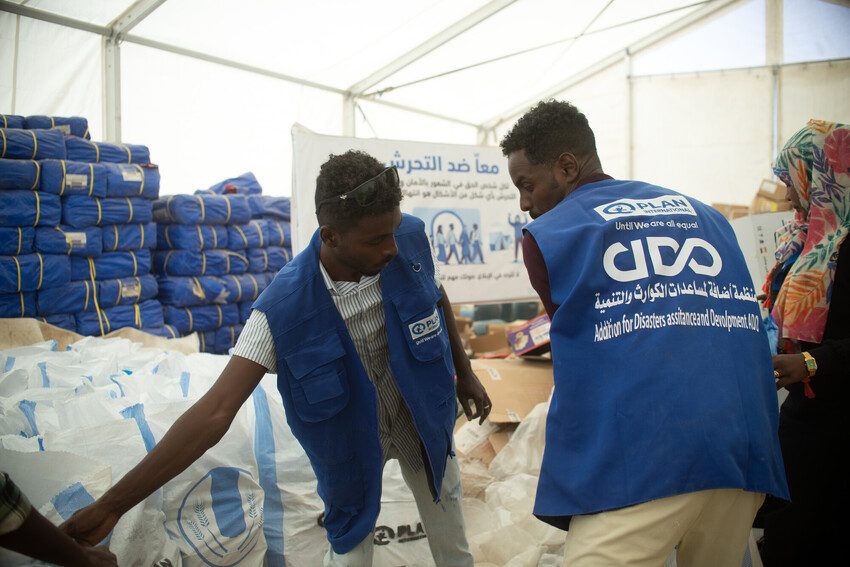
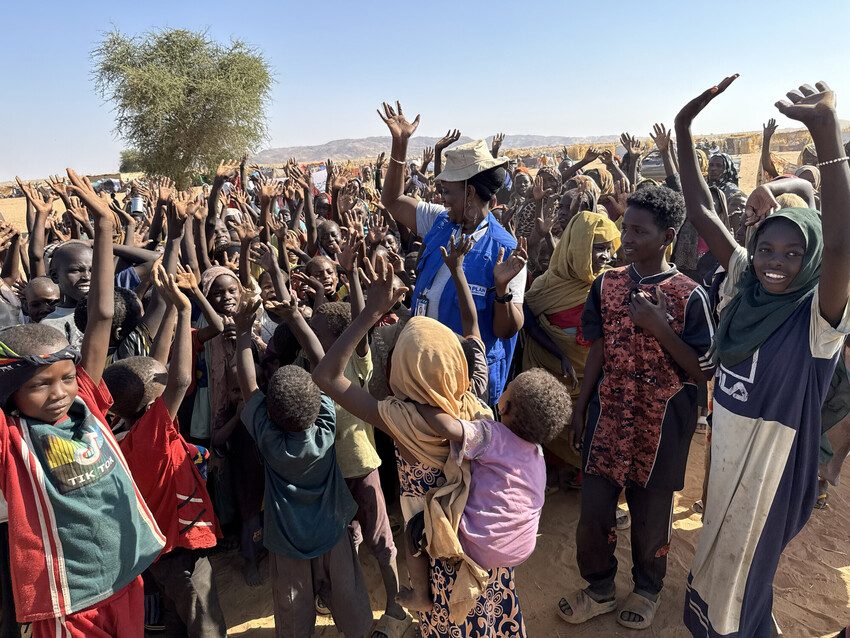
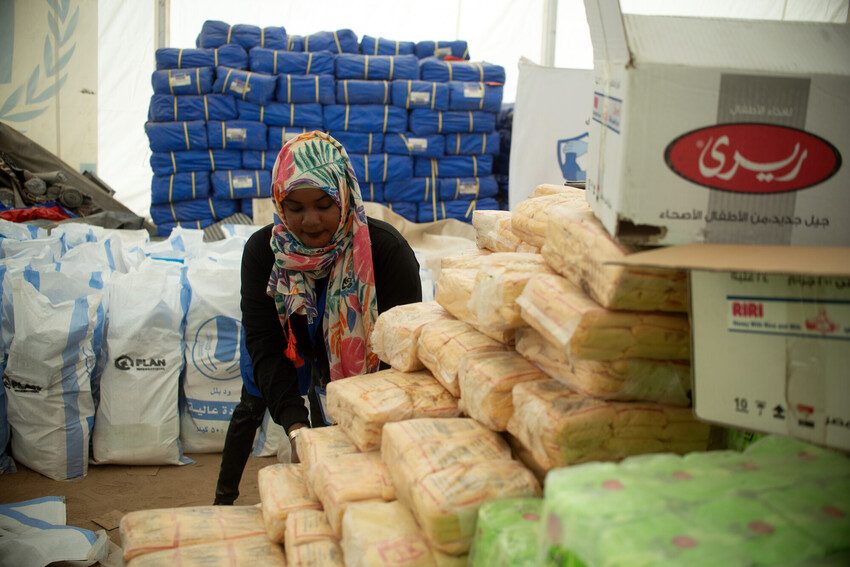
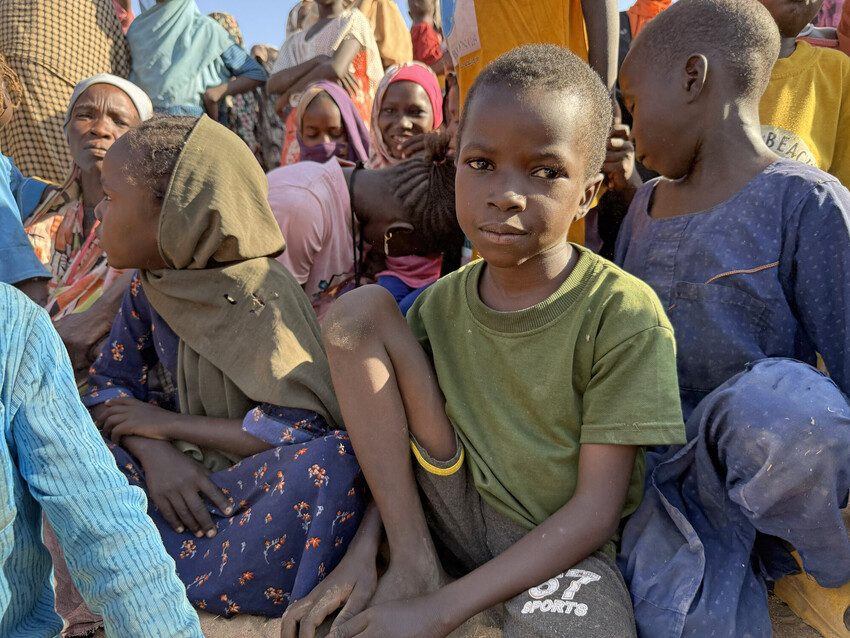
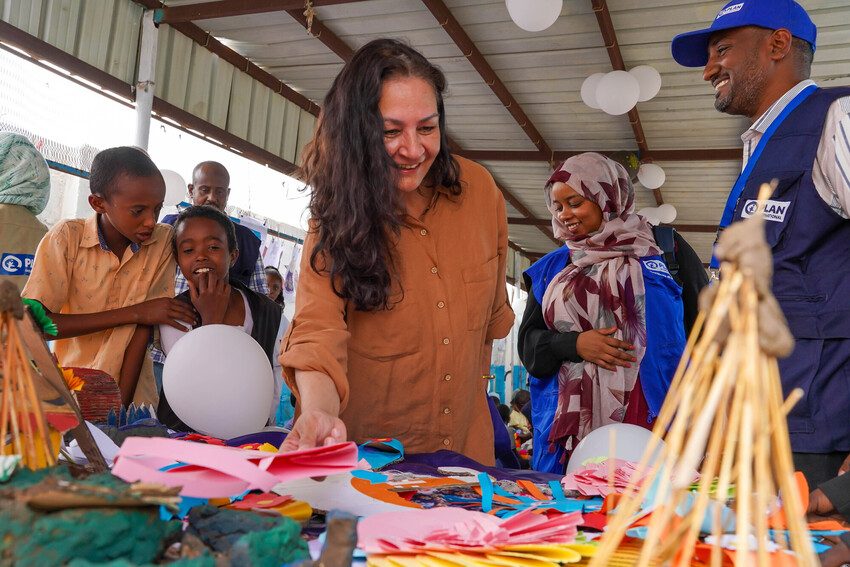
Plan staff distribute humanitarian aid to children and families in Sudan. Images: Plan International / Mohamed Salah.
Girls and women pay the highest price
The highest price for this conflict is paid by children, especially girls, and women. Women’s bodies have become weapons of war, leaving them vulnerable to widespread sexual and physical violence. Many children arrive at displacement shelters alone, having been separated from their families during their long and dangerous journey.
As a displaced Sudanese mother who has experienced first-hand the challenges of raising children in conflict, I urge the international community, governments, donors, the media and global civil society to take action. Keep Sudan on the global political and humanitarian agendas.
“Keep Sudan on the global political and humanitarian agendas.”
Amplify the voices of Sudanese women, girls and communities whose stories are too often unheard. Advocate for the protection of civilians, especially women and children, and for accountability for violations of international humanitarian law. Ensure sustained and flexible humanitarian funding to enable life-saving assistance to reach those trapped in hard-to-reach and besieged areas. Support access and safety for humanitarian workers so that they can deliver aid to those in need without obstruction or delay.
As humanitarian workers, we continue to do everything we can to reach those in need as quickly and safely as possible. The needs are overwhelming, resources are limited, and funding continues to fall short, but our determination remains strong – because giving up is not an option.
Related pages