Are our learnings from working with partners preparing us to tackle today’s world?
3 December 2025We are capable of great changes if we work together, blogs Plan International’s Director of Localisation and Decolonisation, Virginia Saiz.
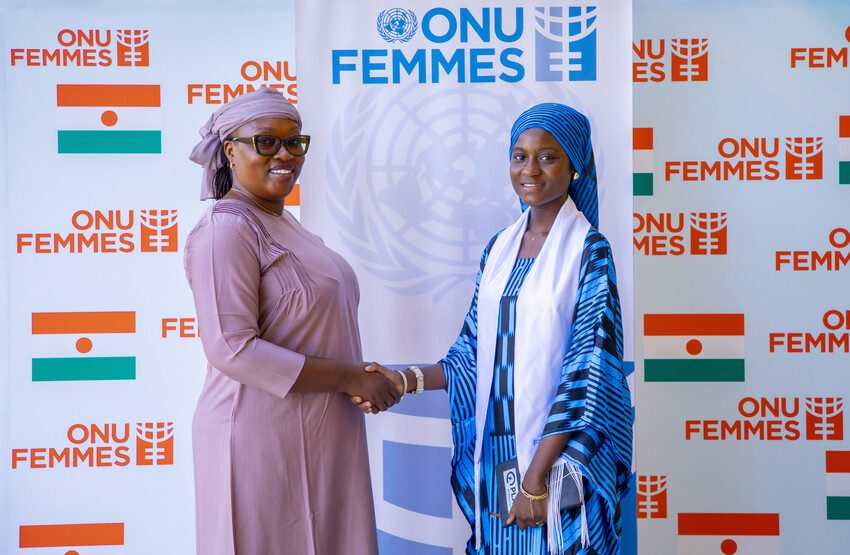
Since its conception in 1937, Plan International has been evolving and adapting to the world’s changing demands and needs. What we do and how we do it has changed and one of the most profound shifts has been working in partnership with others.
Learning from the past: How Plan International has changed
When I started working for Plan International in early 2000, bringing in local NGO partners to work with us was a challenge. Plan always engaged deeply with community organisations and groups, even supporting the set-up of new child, youth and women led organisations, but collaboration with external partners was not “our thing”. Changing this was a big cultural shift and we had to unlearn old ways of thinking and operating.
Over the last 20 years I’ve witnessed first-hand the journey of this transition and seen how we have learned and benefited from our partnerships. As the organisation has developed principles, guidelines and tools, both at the global and local levels, to support and strengthen our partnership work it has changed both the nature of our organisation and our impact and reach. Today, partnerships are at the core of our global strategy, and we proudly work with over 26,440 partners globally, including 3,985 child and youth-led organisations, 2,440 women-led organisations, and 1,364 local NGOs.
One of the most important things we’ve done as an organisation to strengthen our partnerships is to ask our partners for feedback. For over eight years, we’ve conducted an internal annual partnership survey where partners provide direct, anonymous feedback on their working relationship with Plan. In addition, we’ve invested in independent assessment of our progress, engaging Keystone Accountability to administer an external, industry benchmarked survey, first in 2013 and again in 2023.
As I’ve worked in different roles and countries, I’ve seen how these evaluations have provided invaluable insights not just about how partners perceive Plan International and how we compare with our peers, but have also triggered internal reflection and action about what needs to change.
Meaningful engagement of girls
In terms of highlights, we’ve made great progress across several key areas, especially around capacity strengthening and youth engagement, where partners highly value Plan’s role in meaningfully engaging children and young people, especially girls. One of our strongest areas (in fact, one of the highest scores ever recorded in Keystone’s global benchmark for INGOs) is around transparency and communications, especially on being transparent about how funds are used.
Plan also ranks above the sector average for how we treat our partners, listen to their concerns, and provide them with relevant updates. Our partners tell us they feel comfortable approaching us and that we respect their expertise, and in turn they recognise us as a leader in many thematic areas, and that we learn from our mistakes and improve. Community-based organisations and youth-led organisations rated us particularly high in these areas.
This data shows both real progress, and important insights on areas to focus and redouble our efforts.
Opportunities for growth
An area to work on is financial flexibility with our partners, who have told us they need us to be more flexible with funding so that they can adjust spending when contexts change. Partners also tell us they want more support in financing their administration, advocacy and monitoring and evaluation costs.
And of course, as our sector develops, a wider systemic issue is the imbalance of power dynamics and inclusion of partners and communities in shaping development agendas. Our partners tell us that although they feel Plan listens to them, we could do more to actively consult with them and take a consistent approach to seeking their input in decision making, as well as opening up our networks and make connections, so they can become more financially sustainable.
Optimism for the future
Plan International has evolved over recent years, but there is more work to be done. Having witnessed the positive changes Plan International has contributed towards in the lives of women and girls, I strongly believe that this isn’t about disappearing. The stakes are too high with human rights, equality, inclusion, diversity, humanitarian response and more under increased threat. Going forward we need to ensure we complement local actors, open doors for them and step back when the context allows it.
Development and humanitarian actors must continue to work together in partnership and speed up the work that contributes to our shared goals. If the last twenty years have taught me anything, it is that we are capable of great changes if we work together.
Related pages