Our strategy: All Girls Standing Strong
Our ambition from now to 2027 is to see All Girls Standing Strong Creating Global Change. These are the priorities that will help achieve our ambition…
We stand with girls to tear down barriers, save lives and build a world where equality for girls leads to progress for all.
Find out how we’re creating lasting change.
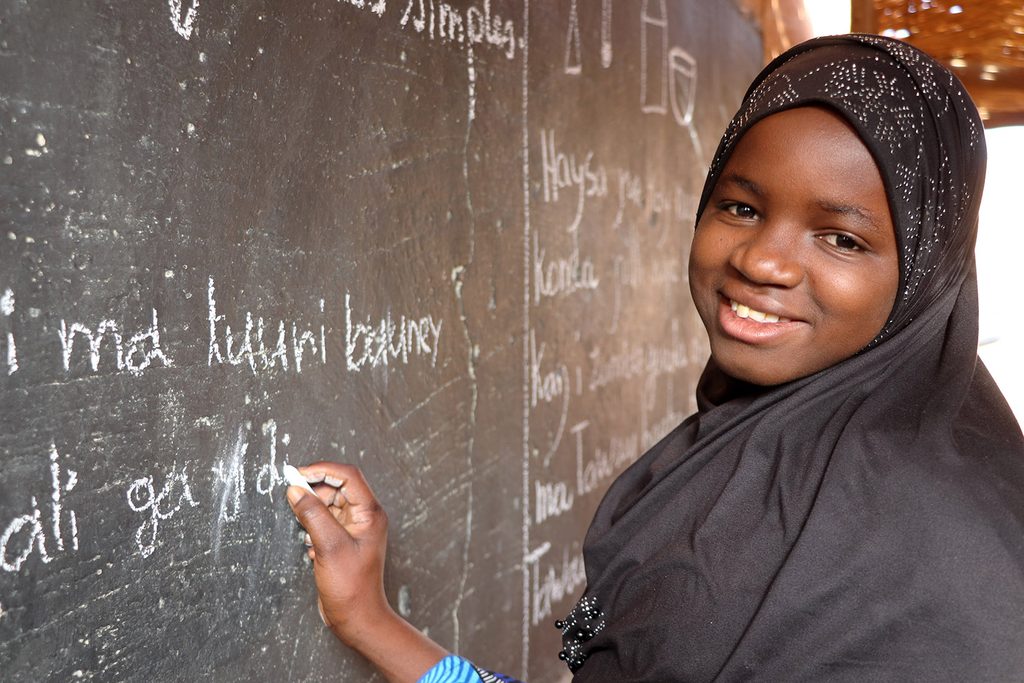
We stand with girls so they can get the best possible education.
From early learning to secondary education, we support every part of a girl’s journey — not just one piece of it. We work alongside girls, their families, communities and governments to ensure they can have a quality education, stay safe and shape their own futures.
Because when girls lead, communities rise — and a future where we are all equal becomes possible.
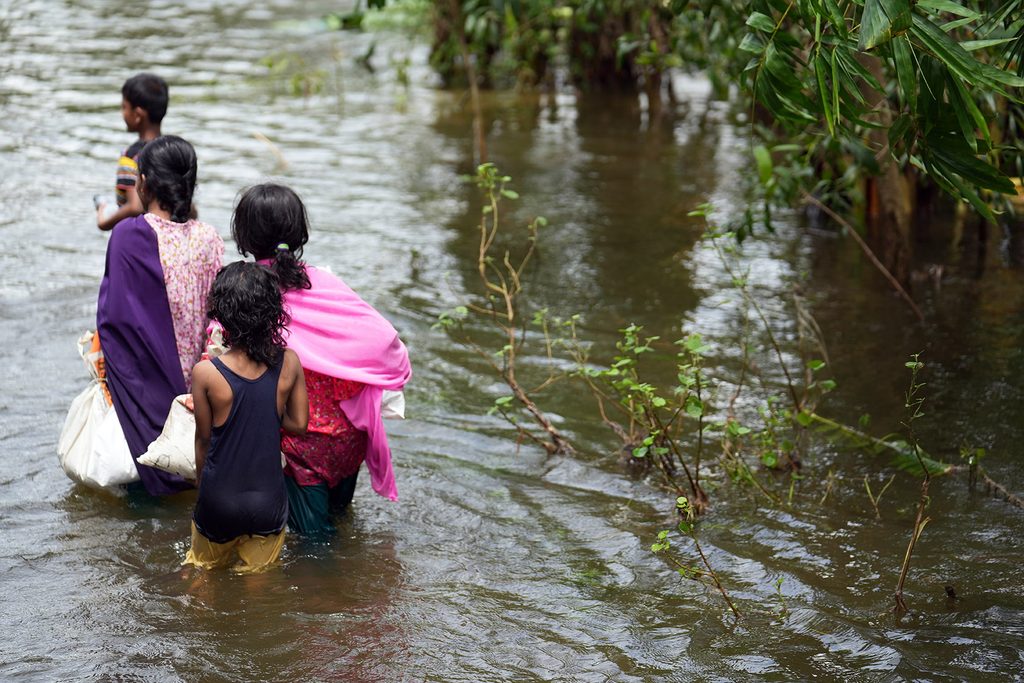
In times of crisis, girls face the greatest risks — but they’re also leading the way forward.
Disasters, conflict and disease outbreaks threaten girls’ lives and futures. Today, a quarter of the world’s population lives in conflict-affected areas, and over 100 million people have been forced to flee their homes — nearly half of them children.
We stand with girls and communities before, during and after emergencies. We deliver lifesaving support and help build safer futures — with girls’ voices, leadership and resilience at the centre.
Every child deserves to grow up safe — but for girls, that safety is often out of reach.
Violence at home, in schools, online and in public spaces continues to limit girls’ freedom, choices and futures. With millions of children displaced by conflict and crisis, the risks are growing.
We work with girls, young people and communities to prevent harm and create safer environments.
Together, we challenge the root causes of inequality and build lasting solutions that help girls to live free from violence.
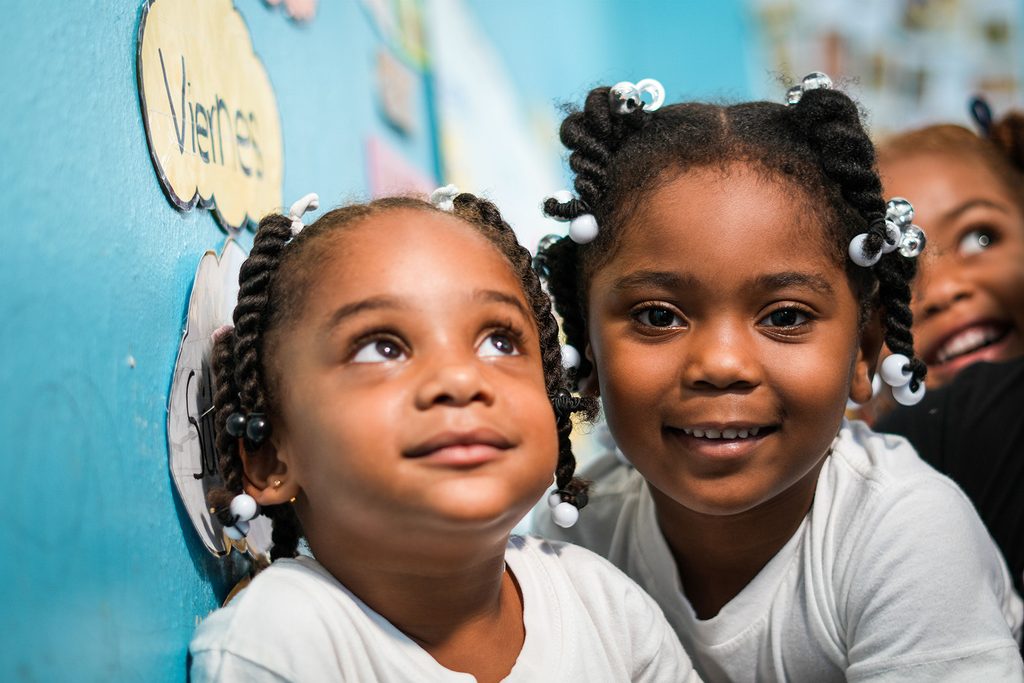
The earliest years shape everything that follows — and girls deserve a strong start.
During the first 1,000 days of life, children develop rapidly — learning, growing and forming the foundations for their future. Yet too often, girls are held back by harmful stereotypes and unequal care from the very beginning.
We support children’s health, nutrition, play, early learning and safety — while challenging the barriers that limit girls from the start.
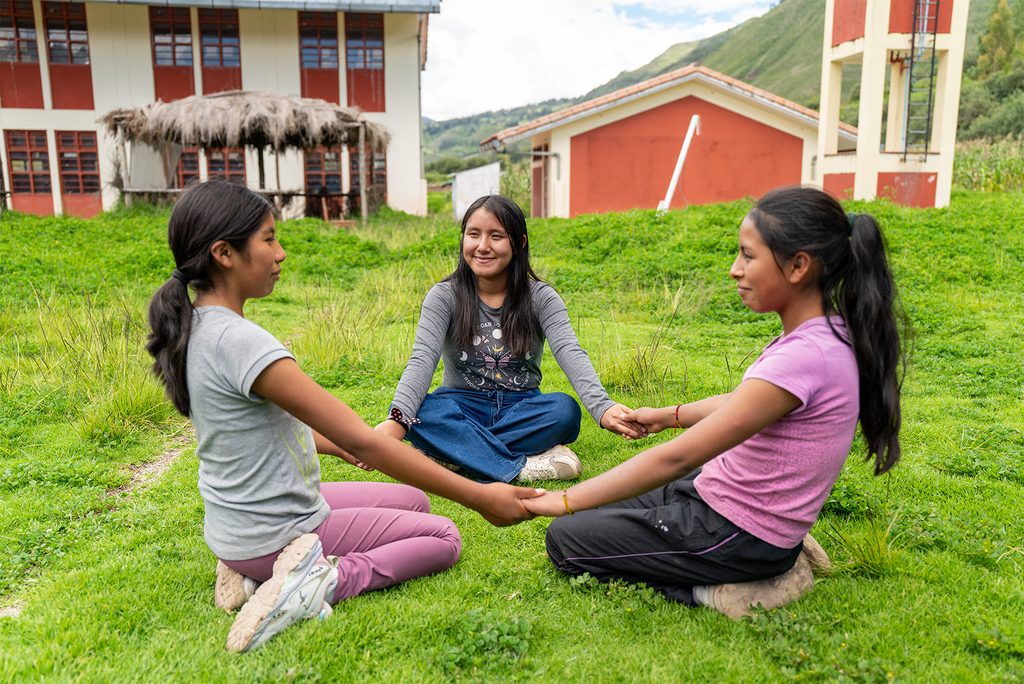
Girls face barriers every day — but they’re not waiting for change, they’re leading it.
Across the world, girls are organising, speaking out and shaping their communities. Yet they continue to face injustice simply because they are young and female.
We amplify their movement — helping it grow from grassroots to global. We support girls to lead and we engage boys and young men to become allies in building a more equal world.
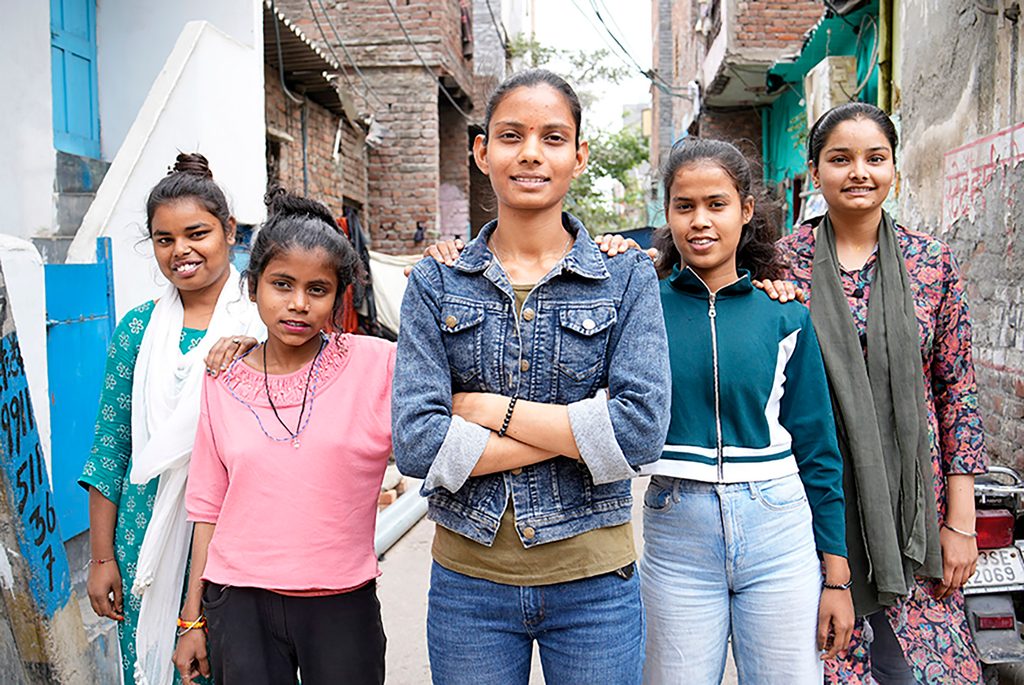
Too many girls are being blocked from opportunities.
Two-thirds of the world’s 1.2 billion young people lack the skills they need to access decent work. One in 5 are not in education, employment or training — limiting their futures before they’ve even begun.
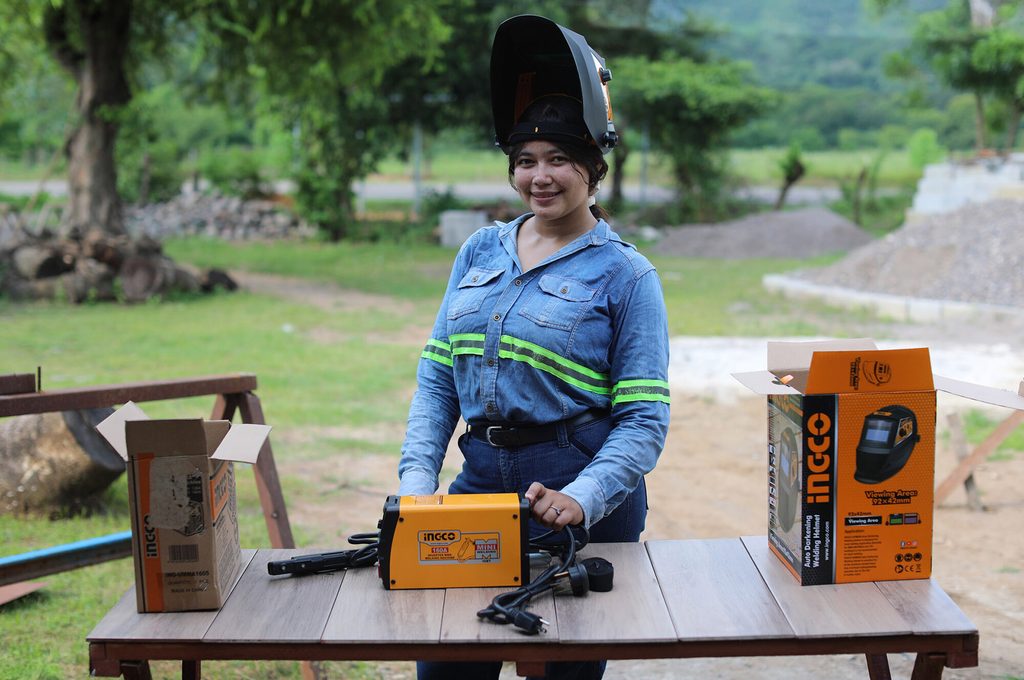
We equip girls and young women with the tools to thrive — from vocational training and entrepreneurship to financial literacy, mentoring and life skills. We help them build confidence, access opportunities and shape their futures on their own terms.
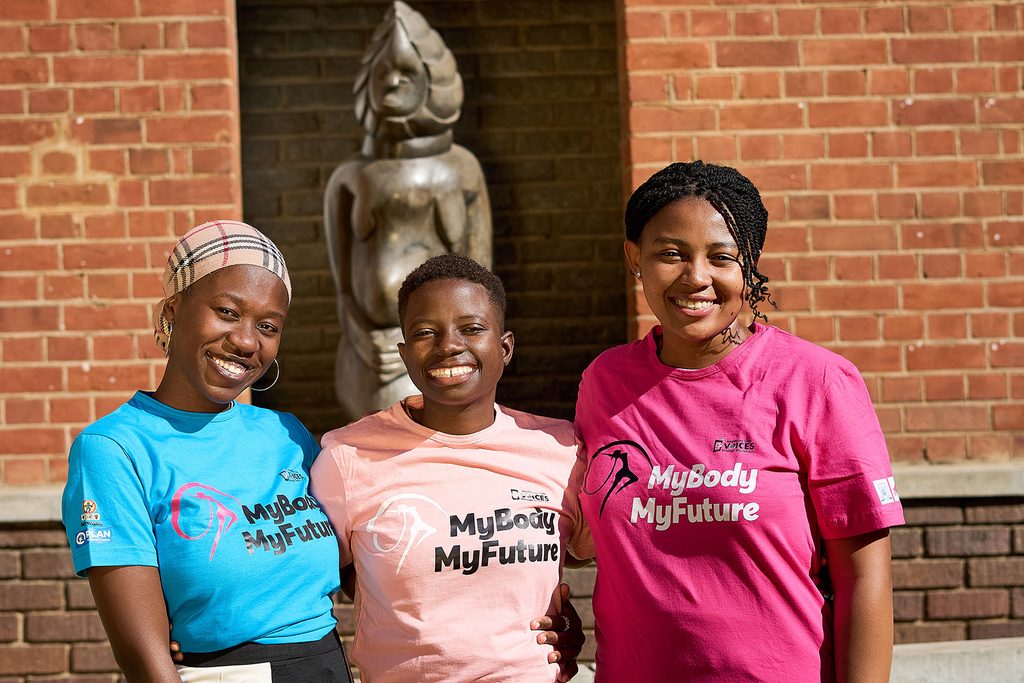
Girls deserve the freedom to make decisions about their bodies and futures — but too often, that is denied.
Harmful practices like child marriage and female genital mutilation continue to limit girls’ choices and opportunities. Gender inequality and discrimination mean many are still unable to decide if, when or whom to marry — or access the care they need.
We expand access to youth-friendly health services and end harmful practices. We support girls to protect their health, build confidence and take charge of their futures.
Cookie preferences updated.
Dear Plan International leaders, humanitarians and colleagues,
As we mark International Youth Day and World Humanitarian Day this month, we speak not as passive recipients of aid, but as first responders, innovators and leaders in humanitarian action.
The theme Youth Participation in Humanitarian Action is not a token gesture. It is a demand for transformation. It is a call to recognise, respect and resource the leadership of young people in shaping humanitarian responses that are just, inclusive and effective.
On 7 August, young voices from across the globe came together in a powerful webinar to share lived experiences, bold ideas and urgent calls to action. We are writing this letter to amplify those voices and ensure they echo far beyond the event.
Too often, youth are tokenised, sidelined or invited into spaces without power. Young people are often excluded from decision-making, underfunded and given superficial roles in humanitarian spaces.
We face systemic barriers, especially those in rural areas, girls and young women, youth with disabilities and marginalised communities. Yet, we continue to lead, respond, and rebuild—often without recognition or support. Our lived experiences are undervalued and our innovations are overlooked. This must change.
We envision a system where:
We call on Plan International to:
These actions must begin now, not tomorrow.
We urge you to act now. Partner with us, fund us and stand beside us, not behind us.
Prepared by:
Wedasemariam Telahune and panelists of World Humanitarian Day & International Youth Day: Meaningful Youth Participation in Humanitarian Settings Webinar
Signed by:
Global Young Influencers Group
Nhial Jock
Hamdiatu Batieha Alhassan