Real Choices, Real Lives Final Report
Findings From 18 years of a Global Study with Girls from Birth to Adulthood
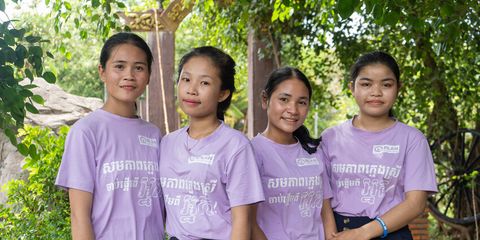
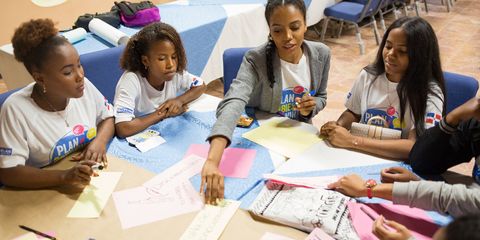
For 18 years, Plan International’s Real Choices, Real Lives study followed 142 girls across 9 countries to understand how poverty, gender expectations and global pressures shaped their lives.
This final report in the landmark series, Real Choices, Real Lives Final Report: Findings from 18 Years of a Global Study with Girls from Birth to Adulthood, brings together the full picture. Based on what girls and their caregivers told us over nearly 2 decades, it reveals the progress this generation has made in areas like education, while showing how fragile and uneven these gains remain.
Girls’ own accounts highlight how gender norms, care responsibilities, violence, poor access to healthcare and climate‑related shocks continue to limit their choices, especially during adolescence, when restrictions and risks sharply increase.
Girls participating in the research live in: Benin, Brazil, Cambodia, Dominican Republic, El Salvador, Philippines, Togo, Uganda, Vietnam.
Topics covered in the report
- Girls’ education: Access, quality and completion
- Gender norms: How expectations shape choices and freedoms
- Unpaid care work: Time use and trade-offs
- Aspirations and pathways to good jobs
- Health and well-being: Preventable illness and barriers to care
- Sexual health, early pregnancy and child marriage
- Violence and protection: At home, school, in communities and online
- Leadership and participation: Girls’ voice and influence
- Climate change and food insecurity: Daily impacts and adaptation
Key findings at a glance
Education
Girls achieved higher levels of schooling than their mothers, but access remains vulnerable to costs, safety concerns, care duties and crises.
Unpaid care
95% of girls carried heavy daily care loads, reducing time for study, rest and community life.
Child marriage
Rates fell compared to the previous generation but early marriage persists where poverty and social pressure remain high.
Violence
91% experienced violence by age 11, affecting confidence, mobility and safety.
Health
Preventable illnesses and poor access to quality healthcare continue to undermine girls’ wellbeing.
Science, Technology, Engineering and Mathematics (STEM) aspirations
Many aimed for STEM and professional careers, but poverty and expectations placed on girls often limited these ambitions.
Climate impacts
Climate shocks disrupted schooling and increased workloads, with girls often bearing the brunt of household pressures.
Frequently asked questions on Real Choices, Real Lives
What is the Real Choices, Real Lives study?
A landmark 18‑year global study led by Plan International, following 142 girls from birth to adulthood. It is one of the only long‑term research series of its kind, documenting directly from girls and their caregivers how poverty, gender norms and changing global pressures shape their lives over time.
What progress has been made in girls’ education?
Girls stayed in school longer and achieved higher levels than their mothers, but schooling remains vulnerable to costs, safety, care duties and climate disruptions.
How do gender norms affect girls’ daily lives?
Expectations around behaviour, chores and mobility tighten sharply in adolescence, limiting girls’ freedom and shaping their future opportunities. But girls want to change the status quo. Over the course of the study, half of girls rejected or questioned gendered expectations.
Why is unpaid care work a barrier to girls’ ambitions?
Heavy daily care responsibilities reduce study time and restrict participation in school and community life.
What are girls’ career aspirations?
Girls were ambitious and wanted to work in law, healthcare and over a third aimed for careers in STEM. However, poverty and care burdens led to perceptions that those goals were unattainable.
What health challenges persist?
Preventable illnesses such as malaria, typhoid and undernutrition were common. Many girls lacked comprehensive sexuality education and caregivers often felt ill-equipped to discuss sexual health and rights.
Has child marriage declined?
13% of cohort girls were married or in unions by 18, compared to 46% of their mothers. Child marriage and early unions are still linked to school dropouts and reduced opportunities.
How prevalent is violence against girls?
91% reported experiencing violence by age 11, at home, school and in communities. Online violence emerged in adolescence.
Do girls participate in leadership and decision-making in their communities?
Many want to engage but face exclusion due to age and gender. Fear of backlash and few visible role models reduce participation.
How does climate change affect girls?
Extreme weather disrupted schooling and livelihoods, intensified care burdens and heightened safety risks. Girls called for stronger climate education and adaptation support.
Recommendations
- Education: Improve quality and expand flexible learning so girls can keep studying during crises or caregiving periods.
- Care and social protection: Reduce girls’ care burden and support families through targeted programmes.
- Health: Strengthen access to youth-friendly, respectful healthcare and comprehensive sexuality education.
- Protection: Enforce child‑marriage laws and improve violence prevention and response.
- Leadership: Create safe spaces and opportunities for girls to participate in community decisions.
- Climate adaptation: Strengthen climate education and invest in disaster ready schools and community resilience.
Download the final report in the Real Choices, Real Lives series
Access data, insights and recommendations from this one‑of‑a‑kind, 18‑year research series to support girls’ wellbeing, safety and opportunities.
Full report
English
4 mb
Summary report
English
5 mb
French
4 mb
Spanish
4 mb
Related pages