Satya’s fight for period diginity
Satya, 18, Kalikot, is leading change in her village by breaking period taboos and promoting hygiene with courage and care. Let's hear her journey fighting for period dignity in her own words.
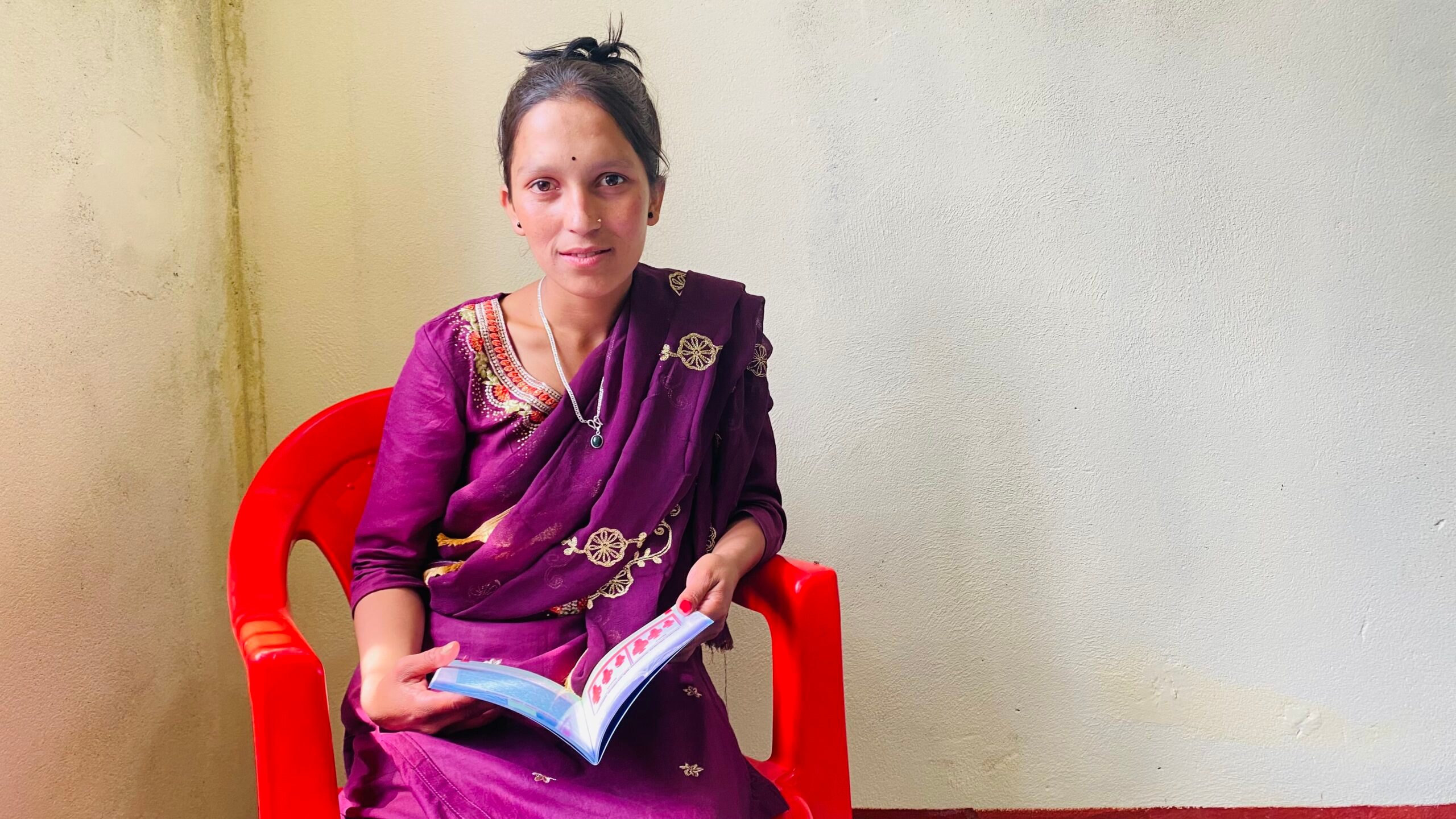
“I’m Satya, an 18-year-old girl from a small village in Kalikot. Growing up here, periods were something no one talked about. In our community, many believe that girls are ‘impure’ during their periods. We are not allowed to enter the kitchen, touch water pots, or attend religious gatherings.”
“Some families even make girls sleep separately in small huts or corners during their periods. Many girls, including me, felt ashamed and scared, especially during our first period, because we were not told what was happening to our bodies.”
“We didn’t have proper pads, so we used old cloth, which made us uncomfortable and worried about infections. Some girls stopped going to school during their periods because they were scared of stains or being teased, and many of them fell behind in their studies. I saw how these beliefs and practices hurt us, and I knew I wanted to change this.”
“Although I first learnt about menstrual health as a Champion of Change member, I always wanted to learn more about menstrual health and hygiene management. I want to keep advocating and campaigning for dignity and a period-friendly community for every girl in my village.”
Learning, leading, and breaking taboos
“In 2024, I began attending trainings, programmes, and campaigns on menstrual health, hygiene, and WASH [water, sanitation and hygiene]. During these trainings, I learned about the menstrual cycle, how to use and clean reusable pads safely, and how to make our own pads from clean cloth, so we wouldn’t miss school.”
“I learned how important it is to wash our hands properly and keep ourselves and our surroundings clean to prevent infections. We also learned how clean water, toilets, and hygiene practices are all linked to our health, especially for girls during their periods.”
“I made my own reusable pads and taught my younger sister how to use them.”
“I made my own reusable pads and taught my younger sister how to use them.”
Satya
“I started washing my hands before and after changing pads and taught my friends to do the same. I shared what I learned with other girls in my village, and we formed small groups to talk openly about periods and how we can keep ourselves safe. I also spoke with parents to help them understand why it’s important to support girls during their periods so they don’t have to miss school or feel ashamed.”
“As a WASH champion, I now work closely with schools, teachers, and students to make our schools period-friendly.”
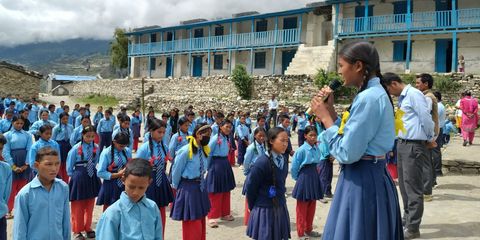
“I regularly visit schools to speak with students about menstrual health and hygiene, sharing what I have learned. I organise group discussions with girls on how to manage periods without fear and how to use and wash reusable pads properly.”
“I also involve boys in these discussions because I believe that boys need to understand periods, too, so they can support their sisters and classmates instead of teasing them. It makes me happy when I see boys listening carefully and asking questions about how they can help create a respectful environment for girls.”
“In our schools in Kalikot, menstrual health and hygiene restrooms have been set up, giving girls a private space to change pads and manage their periods safely and comfortably.”
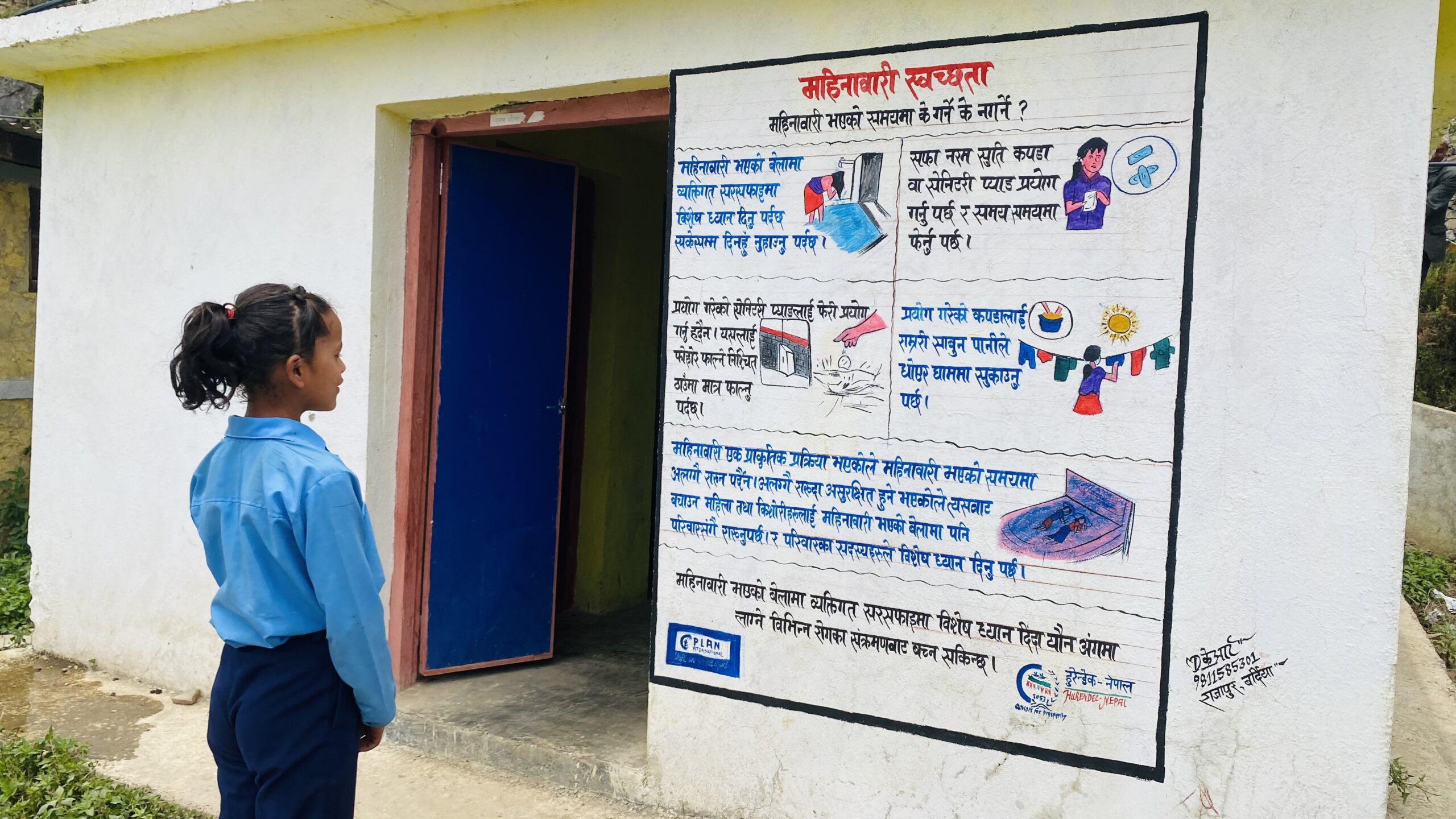
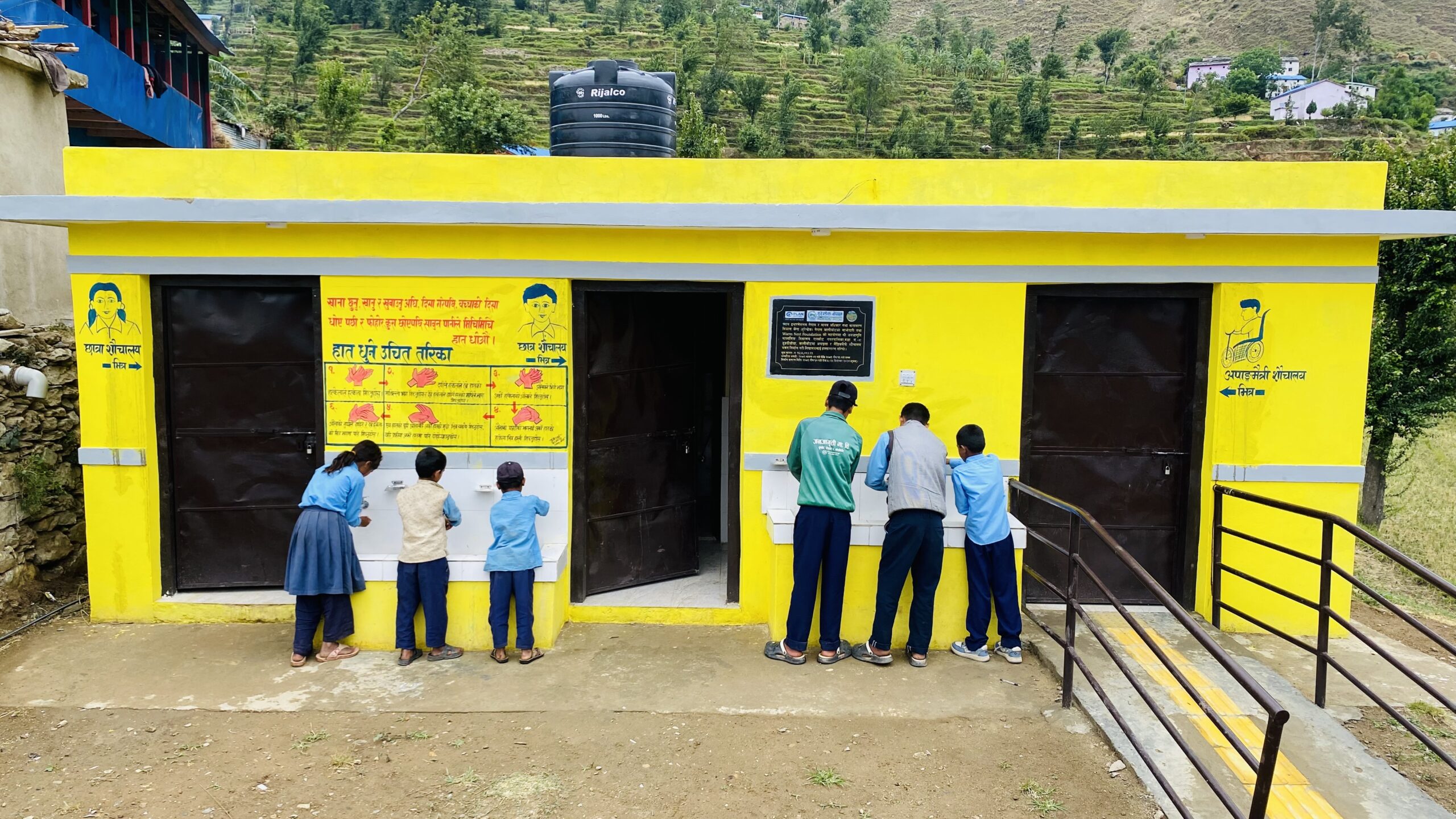
“The schools now have toilets that are disability and gender friendly, with clean water, soap, and a regular supply of sanitary pads. Girls no longer need to miss classes during their periods, and they feel more confident coming to school.”
“I often talk with boys during lunch breaks or after classes, explaining why it is important to support girls and not make fun of them during their periods. Once, a boy asked me why periods happen, and I explained to him in simple words, and he said he would never tease his sister again. Moments like these give me hope that we are building a kinder, more understanding community.”
“Seeing our schools transform into period-friendly spaces brings me so much happiness. Girls can now manage their periods with dignity, and parents are also becoming supportive, encouraging girls to attend school without fear.”
Changes and dreams for tomorrow
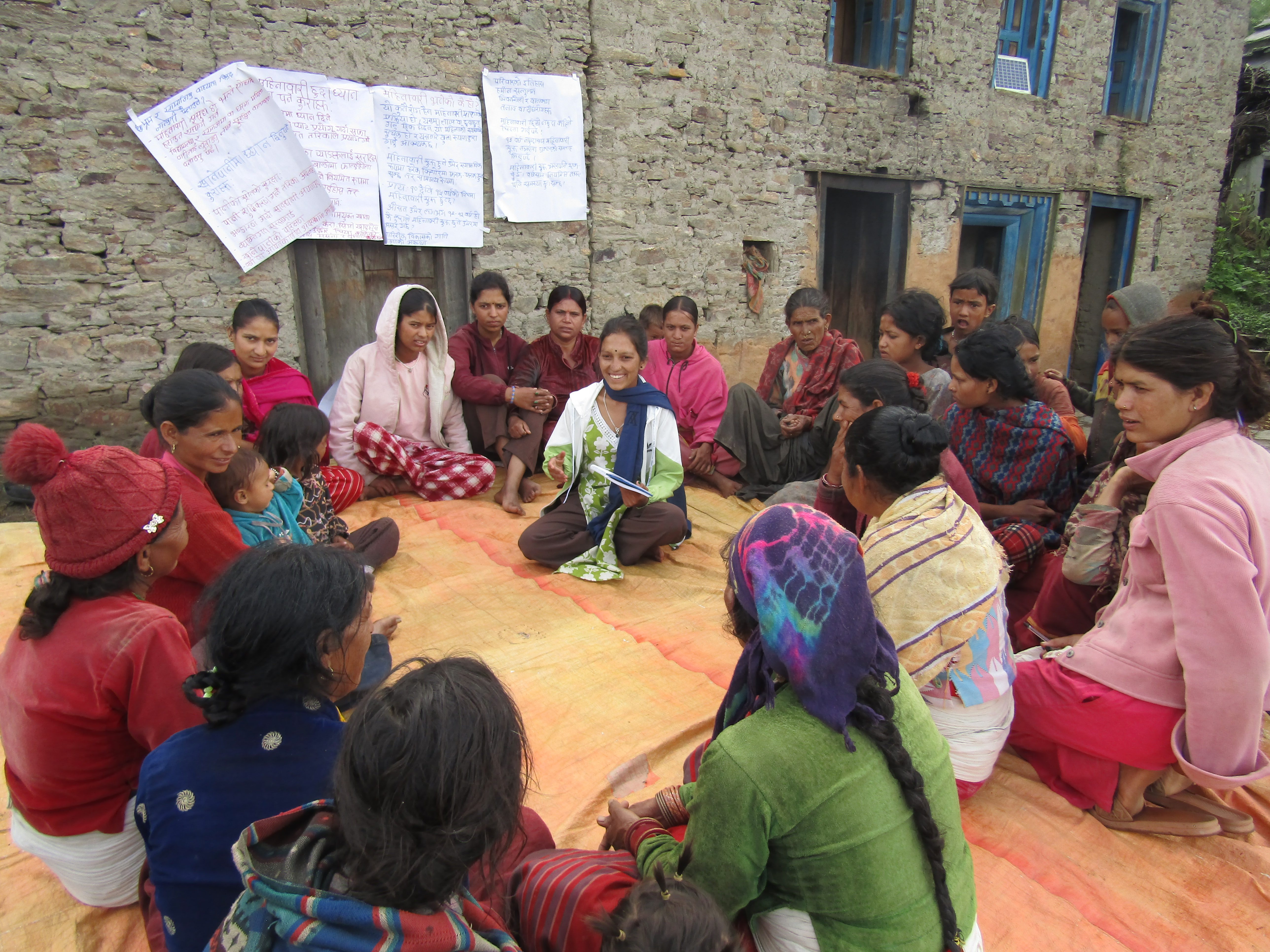
“Since I started visiting homes and talking openly with families about menstrual health and hygiene, I have seen a big change in how people think about periods in my village.”
“At first, many were shy or didn’t want to listen, but as I kept sharing information and answering their questions, parents began to understand that menstruation is natural and nothing to be ashamed of.”
“Now, during my door-to-door visits, more people welcome me and even thank me for helping their daughters and wives. Mothers have started buying sanitary pads, and fathers talk to their sons about respecting girls during their periods. The old silence and fear are slowly breaking, and I feel proud that our community is becoming kinder and more supportive towards girls and women.”
“Being a WASH champion is not just a title for me. It is a responsibility. I want every girl in my village to feel confident about managing her period and to continue her education without shame or fear. I want families to support girls and for our community to end harmful beliefs and practices that have held us back for so long.”
“My dream is to become a nurse in the future so that I can continue serving my community and help girls and women live healthier lives.”
“I also dream of starting a small centre in my village where girls can come to learn about menstrual health, hygiene, and their rights, and where they can speak freely without fear.”
“My dream is to become a nurse in the future so that I can continue serving my community and help girls and women live healthier lives.”
Satya
About the project
The Menstrual Health and Hygiene & WASH Improvement Project is a three-year effort focused on improving the health and well-being of adolescent girls. It has brought important changes by enhancing menstrual health education and upgrading water, sanitation, and hygiene facilities in 10 community schools in Kalikot District in partnership with HuRENDEC. By building better infrastructure, encouraging healthier habits, and involving the community, the project has positively affected students, teachers, and residents alike.
Related pages