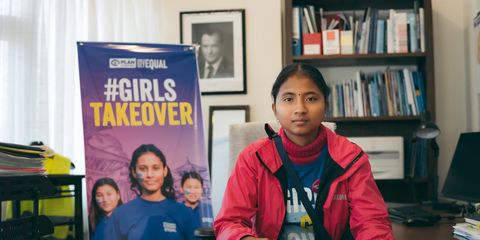
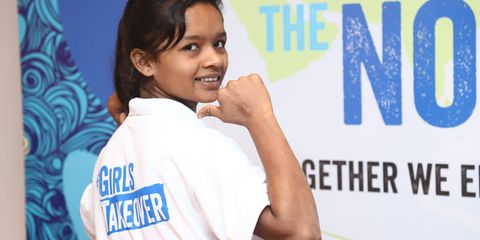
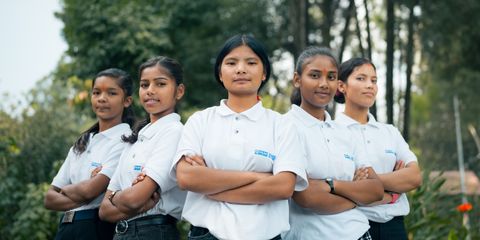
Celebrating the power of girls
Girls are taking over leadership positions to champion gender equality on International Day of the Girl, challenging stereotypes and breaking down barriers.
This year, we brought girls and young people from diverse backgrounds into spaces of power across Nepal, centring inclusion, intersectionality, and lived experience.
In our work, an intersectional approach recognises that girls face multiple, overlapping forms of discrimination and ensures responses address these combined barriers together.
Girls Takeover 2025 marked a meaningful shift in how leadership was imagined and practised in Nepal. Led by girls and young people themselves, this year’s takeover centred inclusion, intersectionality, and lived experience, ensuring leadership spaces were not only opened, but reshaped.
For over a decade, Girls Takeover has challenged power by placing girls in decision-making roles for one day. In 2025, we went further. We prioritised girls and young people who are most often excluded, girls with disabilities, queer youth, and those from marginalised communities, and supported them to lead safely, confidently, and meaningfully.
As Ramila, a deaf young leader, shared, “Leadership is not just about sitting in the chair. It is about being understood and being listened to.”
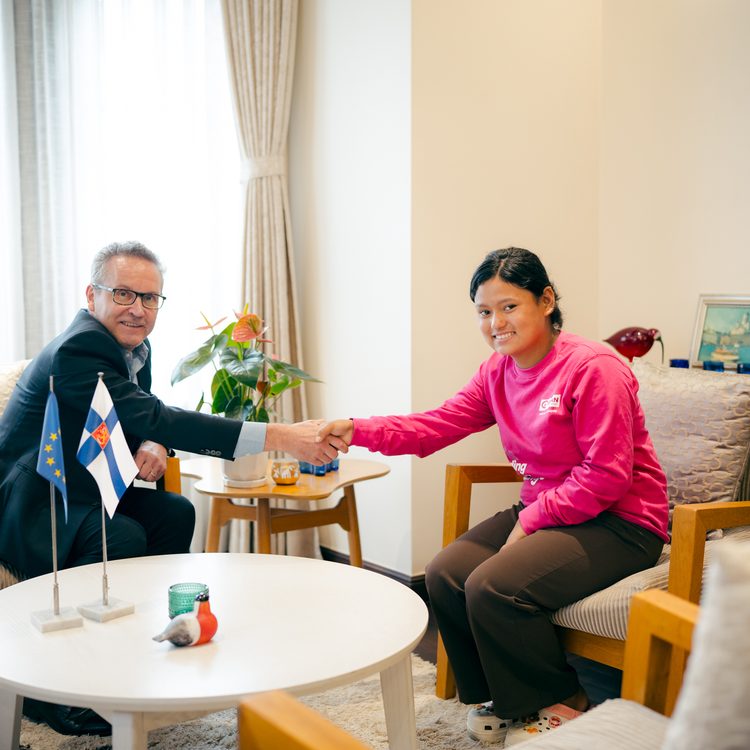
Ramila, a deaf student, became Finland’s Ambassador to Nepal for a day, using her platform to advocate for accessible education and disability inclusion.
In Nepal, girls continue to face structural barriers to education, leadership, and participation. These barriers were multiplied for girls with disabilities, queer youth, and those from marginalised backgrounds. Leadership begins with access. Girls Takeover created that access.
Girls Takeover was not symbolic. It was a practical, experiential leadership opportunity where girls:
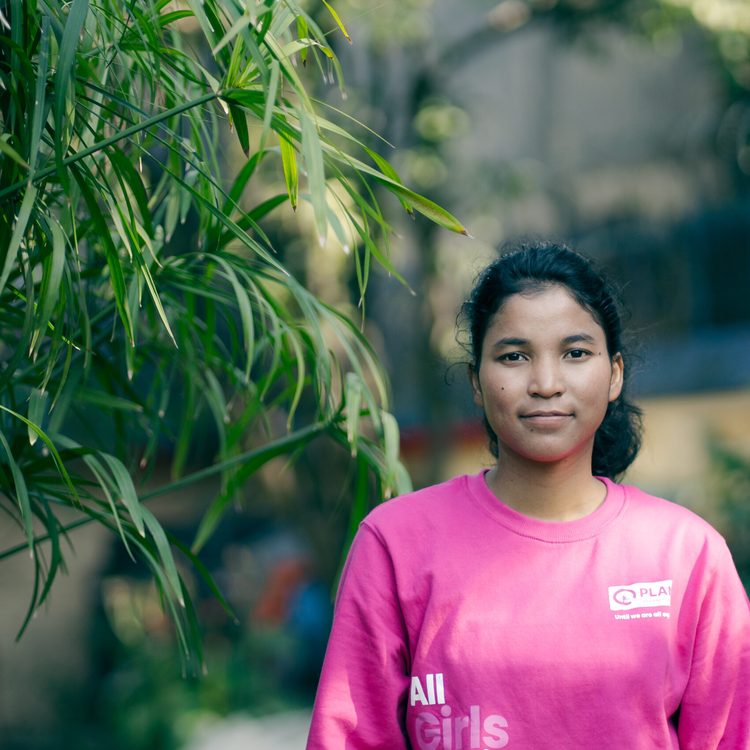
A 19-year-old girl steps into the role of European Union Ambassador, proving that confidence and courage can turn dreams into reality.
Girls Takeover 2025 was intentionally inclusive. Selection prioritised:
Accessibility was planned from the start, not added later. This included sign language interpretation, assistive support, accessible venues, and trusted chaperones.
Anjana, a deaf girl who took over the role of Country Representative of UN Women, noted, “When the space was accessible, I could focus on leading, not on what was missing.”
“When the space was accessible, I could focus on leading, not on what was missing.”
Anjana, a deaf girl

Girls did not experience inequality in one way. Their identities intersected.
Girls Takeover 2025 recognised this reality by:
Anu, a trans man who took over a development leadership role, shared, “Inclusion is not expensive. It is a mindset. When institutions change how they think, everything else follows.”
His recommendations on accessibility, including inclusive restrooms, were acknowledged by the Ambassador and taken forward for internal discussion and action.
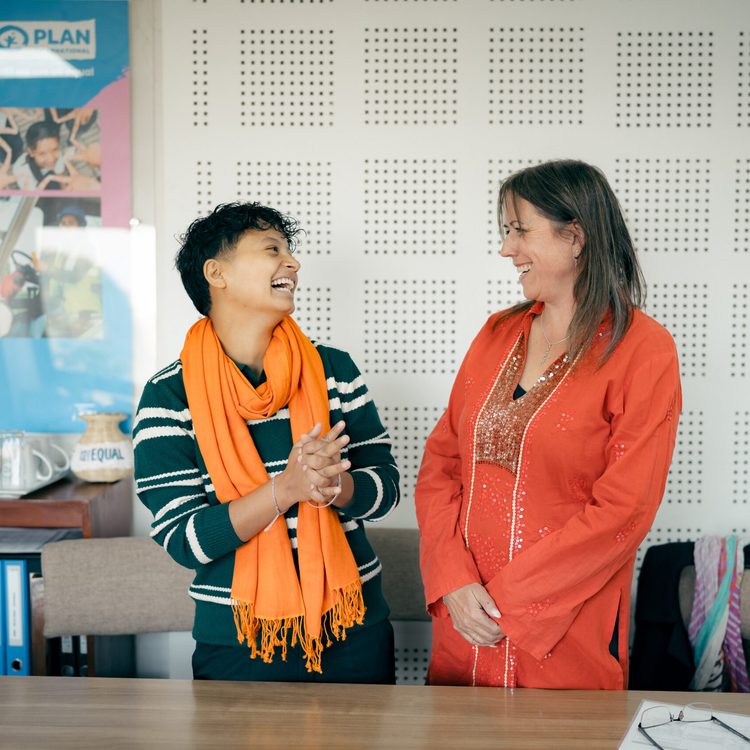
Anu’s #QueerTakeover at the British Embassy gave him a platform to share his journey, advocate for LGBTIQ rights, and inspire inclusive leadership.
In 5 years, girls and young people took over roles across:
Each takeover was co-designed with host institutions to ensure meaningful engagement, not tokenism.
Ambassadors and senior leaders demonstrated commitment by listening directly to girls’ priorities and agreeing to follow up on recommendations related to inclusive education, accessibility, and youth participation.
Girls Takeover 2025 was shaped with young people, not for them.
Through collaboration with the Youth Advisory Council, girls and young people:
Adults played a supportive role, opening doors, removing barriers, and listening.
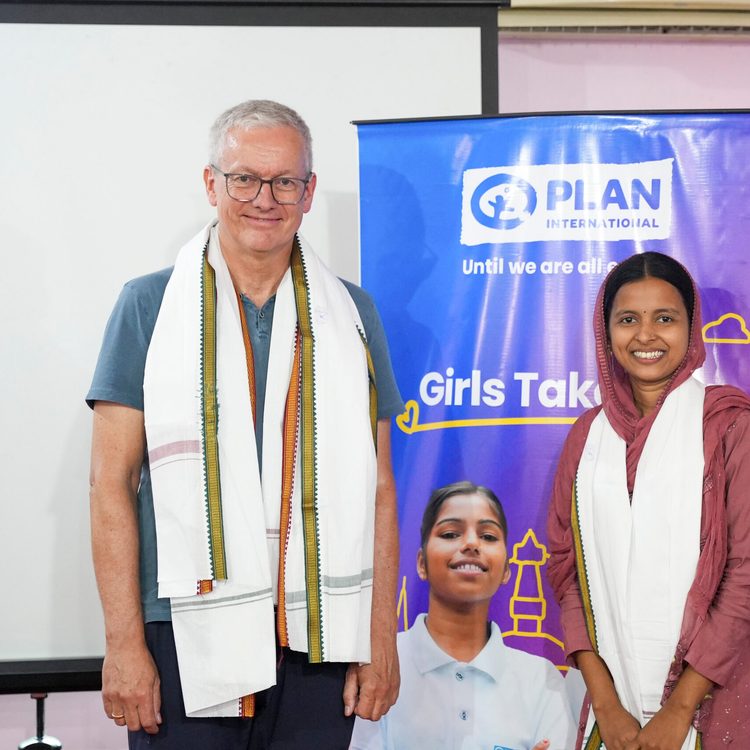
Sana says, “Being part of the Girls Takeover proved that young women like me have the skills, ideas, and courage to lead.”
Girls Takeover 2025 was rooted in Plan International Nepal’s commitment to gender equality, inclusion, and youth leadership. We will continue this work until leadership spaces are safe, accessible, and equal for all.
We believe: