Sabina chooses education over marriage
After time away from school, Sabina chose to return to her studies and rethink what her future could look like. Today, she speaks up for girls’ education and challenges the expectation of early marriage in her community.
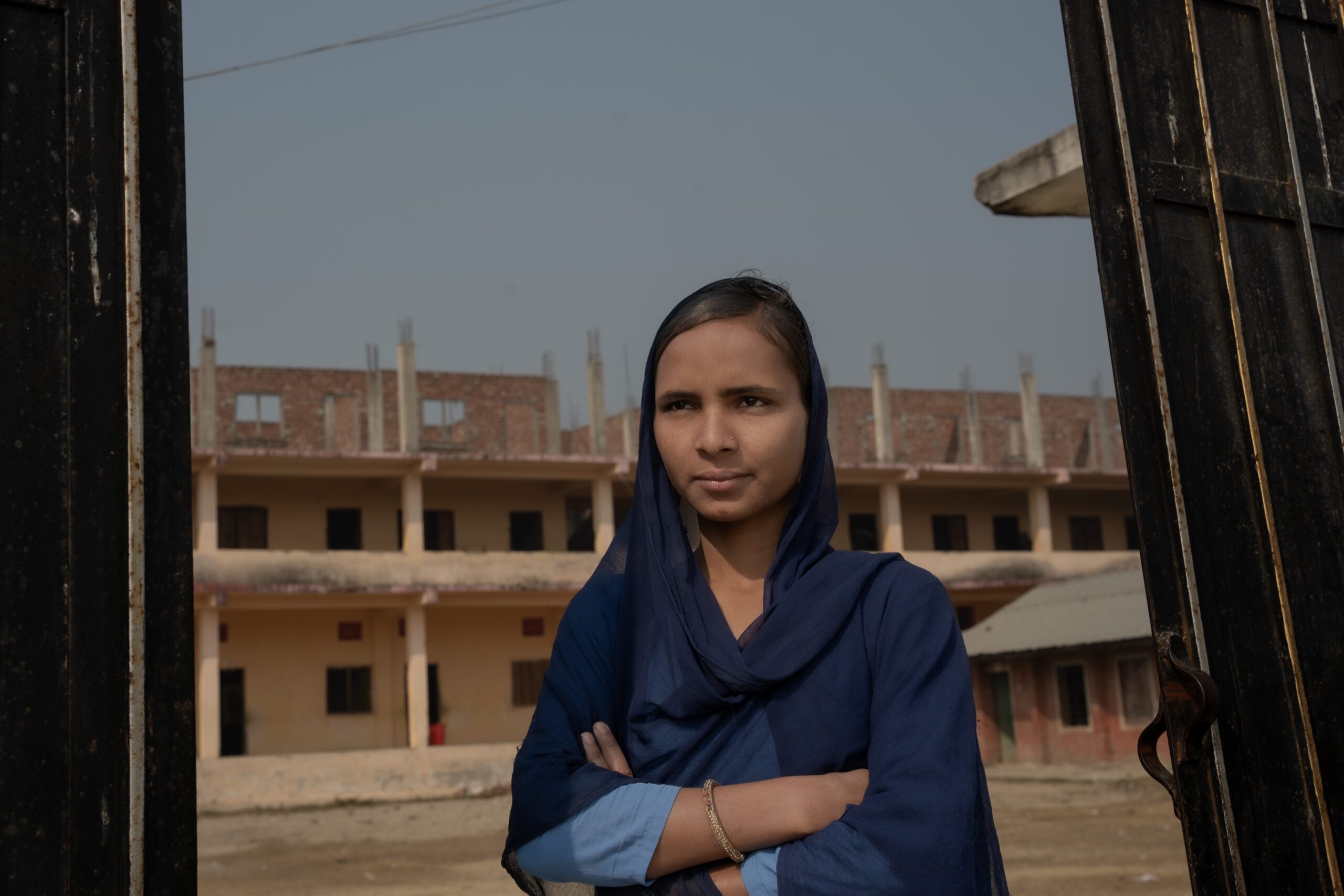
Sabina, 17, from a rural community in Dhanusha, left school in grade 8 due to family responsibilities and social expectations. Today, she has returned to formal education, advocates for girls’ learning, and speaks out for education before marriage.
From household work to leaving school
Two years ago, Sabina’s school uniform was folded away, and her days began to look very different. “I had been studying in grade 8 when my elder sister got married, and household responsibilities increased at home,” shares Sabina.
“I had to help my mother with housework and in the fields,” she recalls. “Slowly, school became less important, and then I stopped going.”
At the time, leaving school did not feel like a sudden decision. It happened gradually, shaped by family needs and expectations. Sabina did not protest. She accepted that her education had ended.
“In my free time, I accompanied my father to the madrasa. As a Maulvi (religious leader), he encouraged me to study there.”
“Then I discovered a love for the Urdu language and enjoyed reading and writing. I dreamed of composing Urdu poetry, but returning to formal school felt impossible.”
“I never imagined I would wear a school uniform again,” she says.
“I never imagined I would wear a school uniform again.”
Sabina, 17, Dhanusha
Sabina’s experience reflects the reality faced by many adolescent girls in rural Nepal. Household labour, agricultural work, early marriage, and social norms often push girls out of school during their teenage years.
Once a girl drops out, returning is difficult. Age gaps, learning loss, and fear of social judgment create barriers. In communities where child marriage is common and education for girls is deprioritised, leaving school can seem normal, even inevitable.
Joining the accelerated learning programme (ALP)
A year ago, a new opportunity arrived in Sabina’s village. The ALP was launched in her community by the local government for children who had dropped out of school.
Sabina enrolled, though she was unsure of herself. “My learning level was very weak,” she admits. “Even multiplication and division were hard for me.”
The ALP classes focused not only on academic skills but also on preventing child marriage, reproductive health, education, and children’s rights. Sabina reflects, “I attended the classes regularly for a year. Gradually, my confidence grew, and so did my belief that education was still possible.”
Returning to formal education
“After completing the ALP classes, I rejoined formal education and enrolled in grade 9. The transition was not easy.”
“Many students were younger than me,” she says. “Some asked why I had left school. Others teased me about my family background.”
The questions hurt, but Sabina persisted. Her determination, kindness, and willingness to help others slowly changed how classmates saw her. “Teachers supported me in learning, especially in Nepali. Mathematics remains challenging, but with help from friends, I continue to improve.”
“Beyond my own studies, I began sharing what I learned through the ALP classes with my family and neighbours, encouraging other children, especially girls, to return to school.”
“After completing the ALP classes, I rejoined formal education and enrolled in grade 9. The transition was not easy.”
Sabina, 17, Dhanusha
Celebrating Sabina’s determination
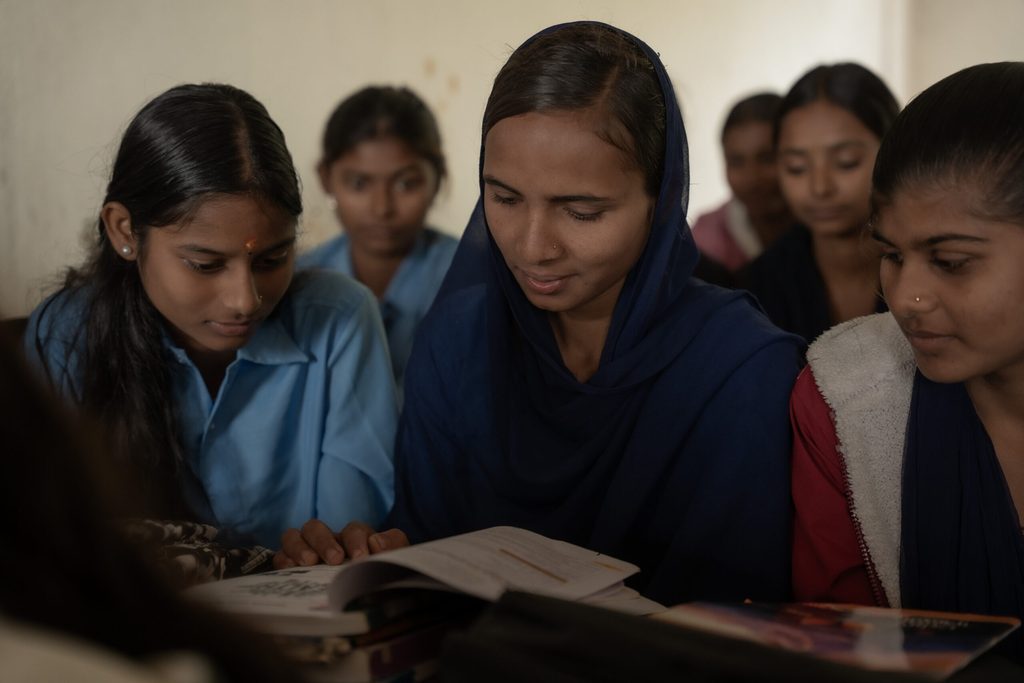
Sabita, the ALP facilitator, has witnessed Sabina’s influence firsthand. “Sabina herself has motivated many children in the village who had dropped out of school to return to school,” she says.
Community attitudes have also begun to shift. Where once people whispered about Sabina leaving school, they now say, “That girl has started wearing her school uniform again and going to school.”
At home, Sabina’s education is actively supported. A small “learning corner” has been set up where she studies regularly. “Now I balance school with household responsibilities and continue to attend classes consistently.”
Her younger sisters now go to school with her, a change that feels deeply meaningful. “When I go to school, they come with me,” Sabina says. “I feel responsible for them.” Despite challenges, she remains committed to her education and to encouraging others to believe that returning to school is possible.
About the project
Sabina’s journey was supported by Child, Not Bride, a four-year project funded by the Norwegian Broadcasting Corporation (NRK Telethon) and led by Plan International with local partners, BEE Group in Baridya and Aasman Nepal in Dhanusha.
Through the ALP, the project helps children who left school regain confidence, catch up on learning, and return to formal education with the support they need to continue.
Related pages