Rashmi is breaking menstrual taboos
Rashmi, 15, Kalikot, is challenging menstrual taboos in her community, turning fear and isolation into confidence and leadership to create safer, healthier spaces for girls.
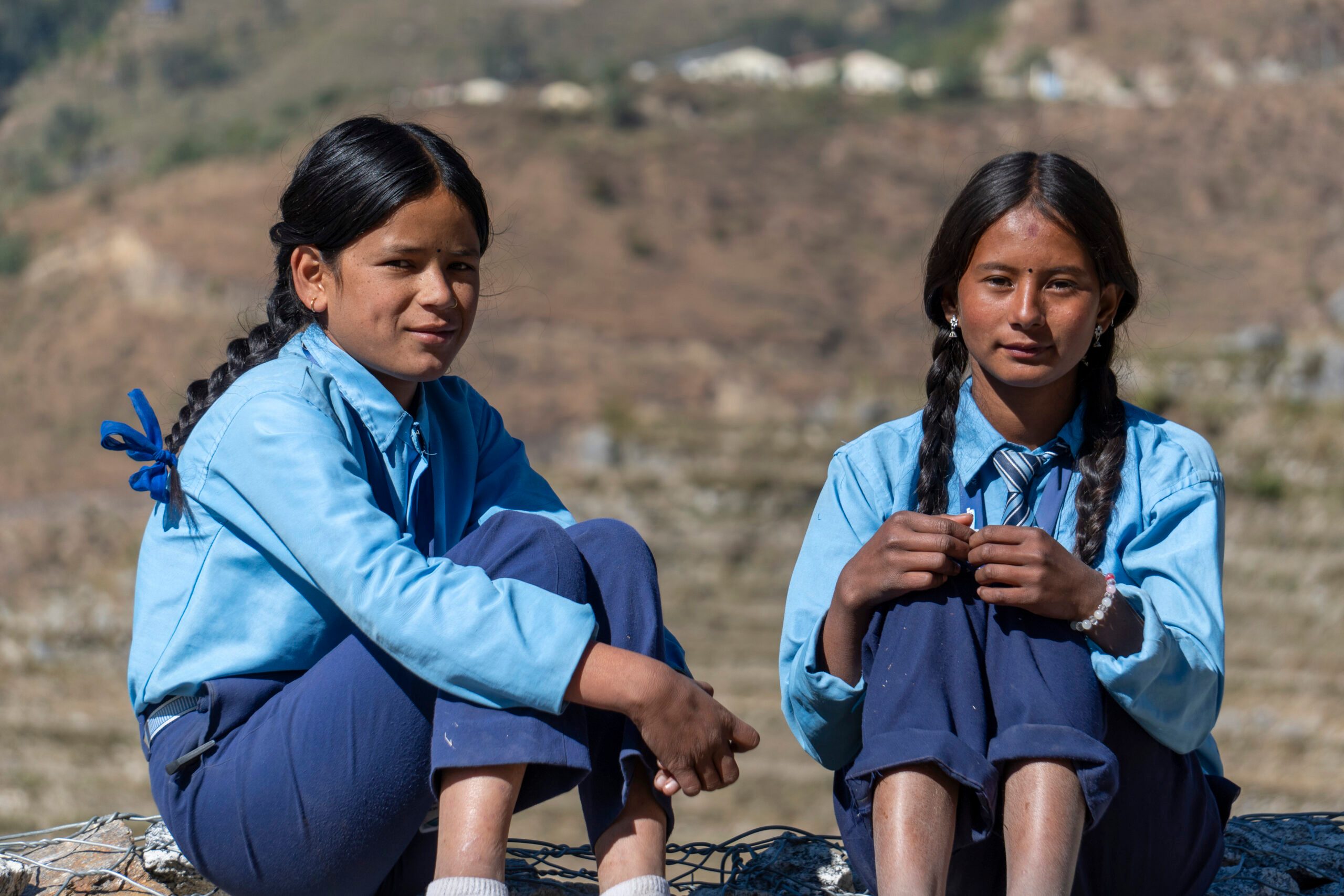
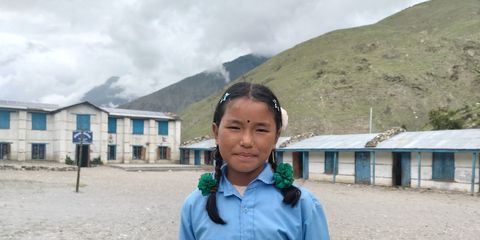
“My name is Rashmi. I am 15 years old and study in grade 8 at a community school in Kalikot. I am the eldest child in my family. I have two sisters and two brothers, and my parents work as farmers. From a young age, I have seen how hard my parents work and the challenges women and girls face in our community.”
Growing up with silence and stigma
“In my village, menstruation is still surrounded by silence and harmful beliefs. I grew up seeing my mother and grandmother stay in a separate room, called a chhaupadi goth, during their periods. At home and in school, menstruation was not something we talked about. Sanitary pads were difficult to access, and many girls did not know how to manage their periods safely.”
“When I got my first period, I was scared and confused. I didn’t understand what was happening to my body or who I could talk to. I missed school because there were no Menstrual Health and Hygiene (MHH)-friendly toilets or sanitary pads available. I felt embarrassed and alone, and that experience stayed with me.”
Learning and growing
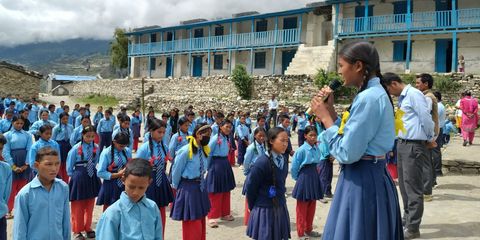
“When I was in grade 6, the MHH and Water, Sanitation, and Hygiene (WASH) Improvement project started in my school. I joined the school-level MHH Club and began taking part in trainings, orientations, and meetings on menstrual health management, hygiene practices, and sanitary pad production. For the first time, I learned that menstruation is natural and that girls should not feel ashamed.”
“Through the project, I also joined discussions with adolescents, parents, teachers, community leaders, and school management committee members. These sessions helped us talk openly about MHH and WASH practices at school and in the community.”
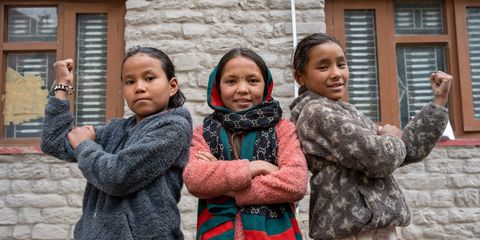
“As I learned more, I became more confident. I started speaking during meetings, encouraging my friends to join MHH and WASH activities, and questioning harmful traditional practices like chhaupadi. With the support of the project, I shared my learning with others and realised that even someone my age can help bring change.”
“My mother says that my courage has changed our family. Because of what I shared, my parents now understand proper hygiene practices during menstruation. We talk openly at home, and menstruation is no longer something to hide or feel ashamed of.”
Creating safer spaces for girls
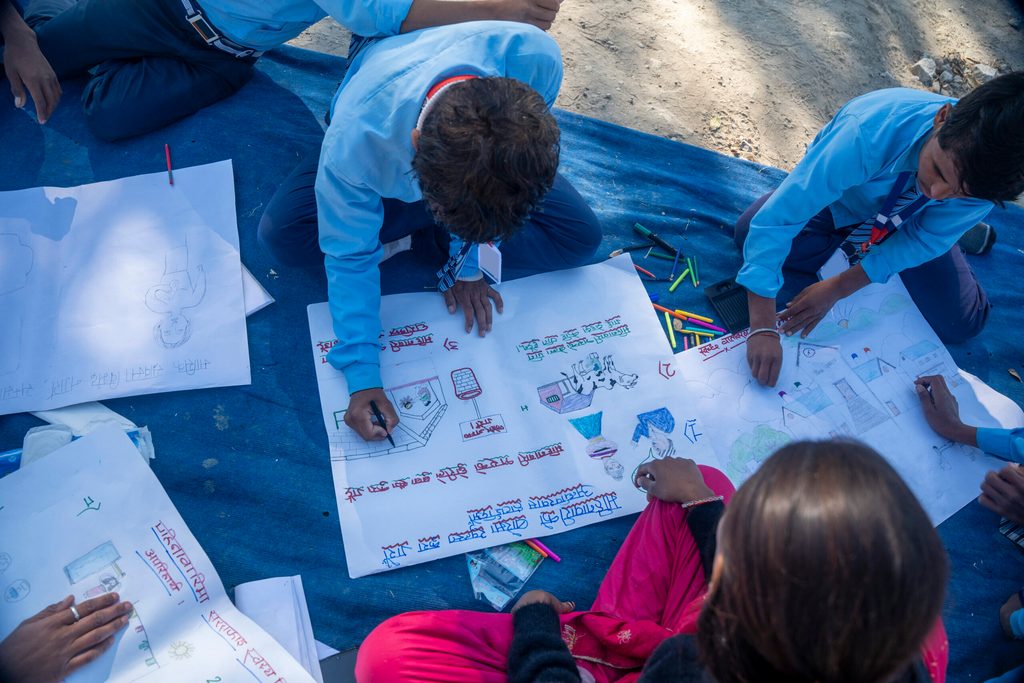
“Today, I am actively involved in school-based extracurricular activities and community awareness programmes as a member of the MHH Club. Girls and women now feel more comfortable talking about menstruation, using safer hygiene practices, and asking for support. Many of them come to me with questions because they trust me.”
“Our school has also changed. Gender and disability-friendly toilets have been constructed, and an MHH room is now managed at the school. My friends and I can easily access sanitary pads, receive support from the school nurse, and rest when we feel unwell during menstruation.”
“I believe real change is only possible when the whole community works together. Girls, boys, parents, teachers, and leaders all have a role in ending harmful practices and supporting health and dignity.”
“I am proud that my voice and actions are helping create a safer and healthier environment for girls and women in Kalikot. My journey has taught me that with knowledge, support, and courage, young people like me can lead change.”
About the project
The MHH and WASH Improvement Project in Kalikot, implemented in partnership with HuRENDEC, is a three-year initiative working to improve the health and well-being of girls in ten rural schools in Kalikot district.
The project responds to gaps in WASH and MHH facilities by promoting safe, dignified menstrual health practices and addressing barriers such as school absenteeism, low self-esteem, and poor hygiene. Through the establishment of gender-responsive and inclusive WASH and MHH facilities, the project ensures that girls can manage menstruation safely at school.
It also works with communities to strengthen support for positive menstrual health practices and builds the capacity of schools to sustain inclusive WASH and MHH access over time. Overall, the project aims to empower girls and create healthier, more inclusive learning environments.
Related pages