Ranju is building a thriving grocery business
Ranju from Dhanusha turned her dream into reality by starting her own grocery business. Today, she supports her family and inspires other young women in her community.
Finding my path and gaining confidence
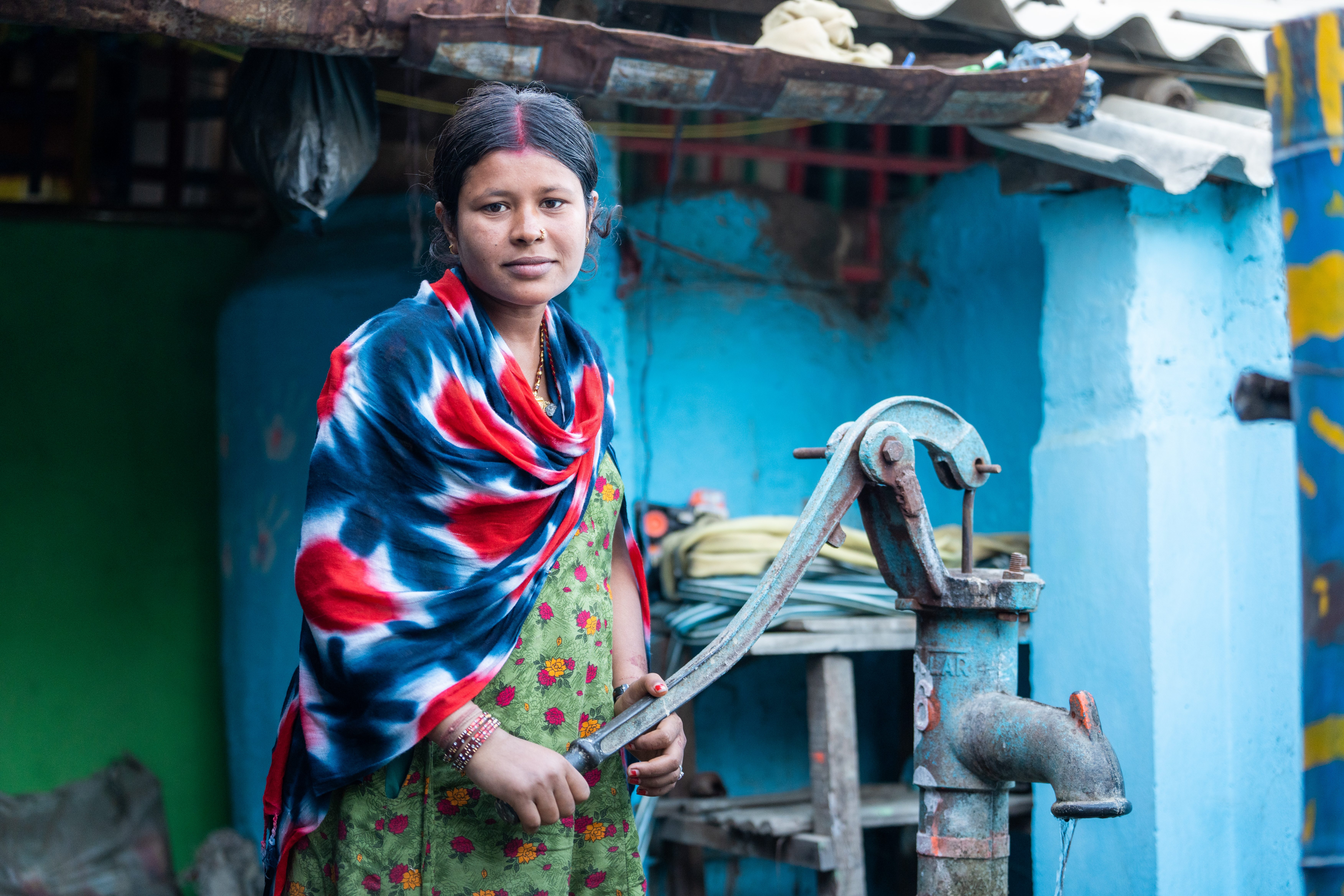
“My name is Ranju. I grew up in a small 2 room bamboo and tin hut in Dhanusha.”
“My life was not easy. We struggled even to have 2 meals a day.”
“When my elder brother went abroad for work, we thought better days were coming, but he passed away there.”
“Suddenly, I became the only hope for my family. I had studied only up to grade 11 and didn’t know how to support us. I felt lost.”
Ranju learned about a skills training programme for young women, organised with the local government, to help them become entrepreneurs and run their own businesses.
“I decided to apply.”
“At first, it was scary, they asked for my citizenship certificate, and I didn’t even have one.”
“In our community, unmarried daughters usually don’t get citizenship because of inheritance beliefs. Later, my parents were convinced, and I got my certificate. That was my first step toward my dream.”
“In our community, unmarried daughters usually don’t get citizenship because of inheritance beliefs. Later, my parents were convinced, and I got my certificate. That was my first step toward my dream.”
Ranju, Dhanusha
She attended a five-day life skills training course.
“I learned how to set goals, manage my time, and think positively.”
“Before, I was shy and unsure, afraid to speak even in front of 2 people. Now, I can confidently introduce myself and express my ideas. My goal is to become a successful entrepreneur.”
Next came entrepreneurship training.
“I learned how to identify business opportunities, create a plan, and manage finances. I realised even a small business could change my life and help my family. I understood the importance of good behaviour, hospitality, and treating every customer with respect. These lessons gave me confidence that I could run a business on my own.”
Thriving business with cash voucher assistance
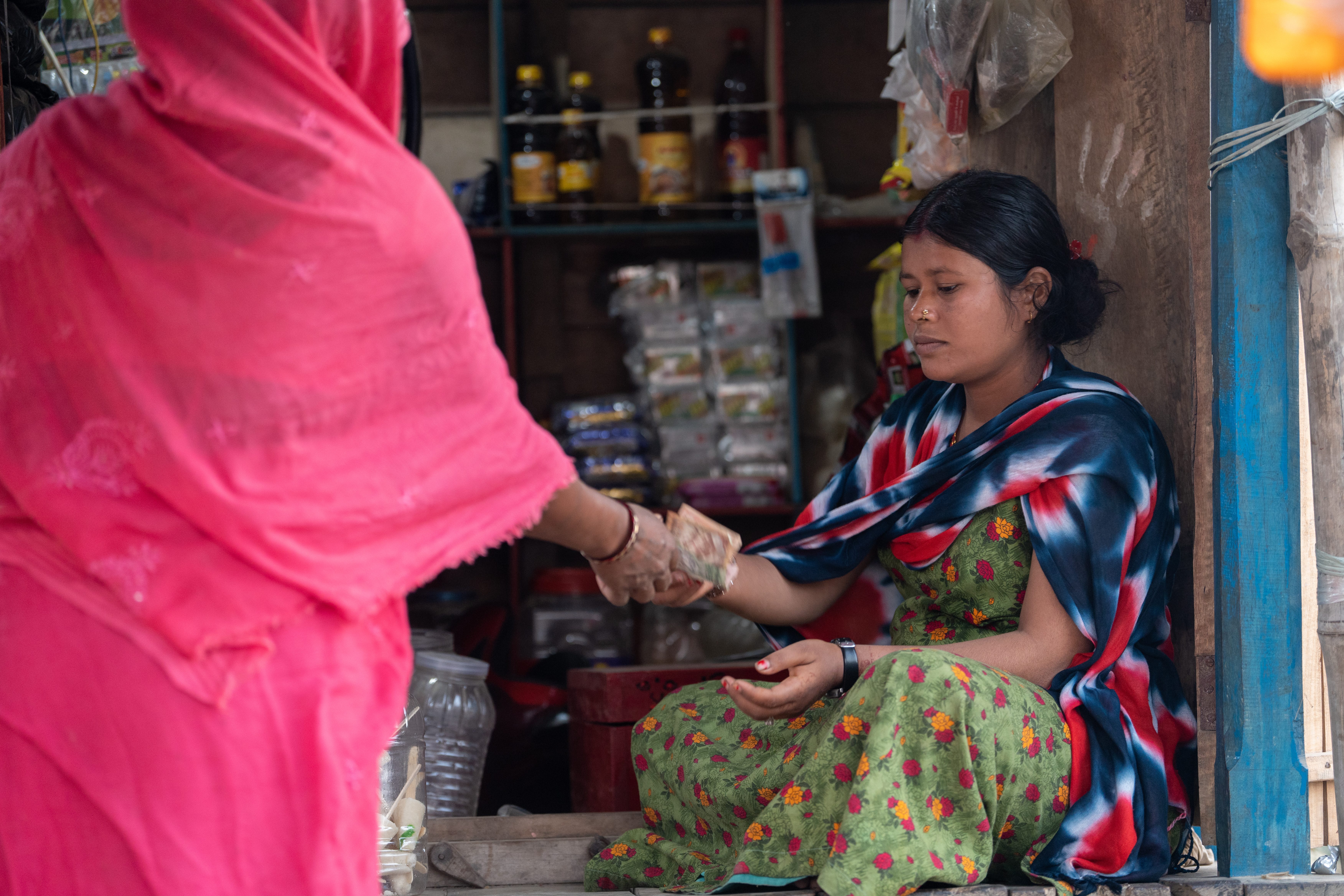
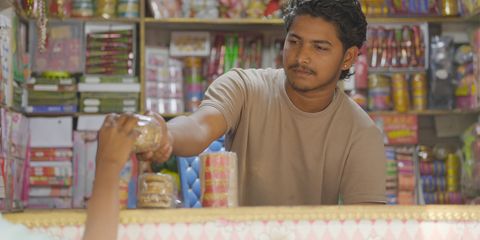
“I opened a grocery shop near my home because there were none in our area. People had to travel far for basic items.”
“The project supported me through a cash voucher assistance (CVA) system, providing roughly €370–€380 for supplies, value-added tax included. I raised another €320–€330 to construct the shop and purchase materials. Without this support, starting a business would have been impossible.”
Now, Ranju earns €160–€165 a month in profit.
“I put some aside for savings, some for household expenses, and reinvest the rest. I carefully record every sale and purchase.”
“The CVA support made it possible for me to start, but the training taught me how to manage it well.”
Her success has changed perceptions in her community.
“The same people who once criticised me now say daughters should be like me. That makes me so happy.“
“Women in Dhanusha can own businesses and succeed, hard work and confidence make all the difference.”
Ranju balances family responsibilities as well. She recently got married, and her husband is abroad. “I live with my parents, and I am committed to taking care of them. My husband and in-laws support me fully. My dream is to build a concrete house for my parents and expand this grocery shop into a wholesale store. I know with determination, I can achieve it.”
“I want other young women to know: we can run our own businesses, support our families, and create respect in our communities. Nothing is impossible if we work hard and believe in ourselves.”
About the project
The Youth Employment and Entrepreneurship Development (YEED) project, implemented by Sindhuli Integrated Development Services Nepal, the Janaki Women’s Awareness Society, and the local government, helps young people in Dhanusha and Sindhuli develop skills and start their own businesses.
Through CVA, participants like Ranju were able to turn their training into real action. She started a successful grocery shop, supporting her family and inspiring her community. So far, hundreds of young women and men have gained skills and built livelihoods, showing how opportunities and support can transform lives.
Related pages