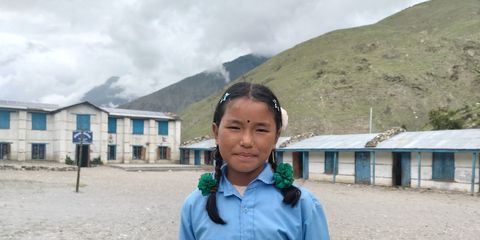
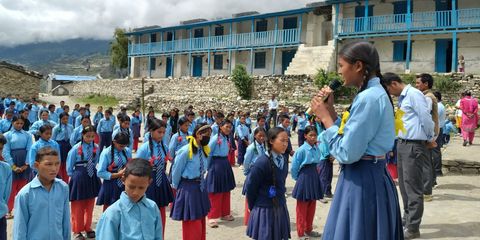
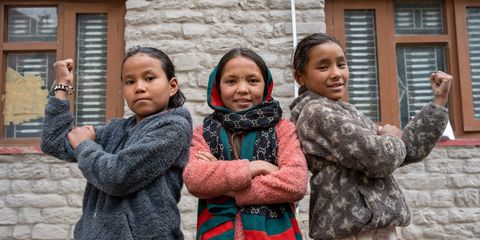
Niruta advocating for menstrual health
Niruta, 16, from Kalikot, is a grade 9 student whose education was affected by menstruation, highlighting menstrual health challenges and practices like chhaupadi in Karnali.
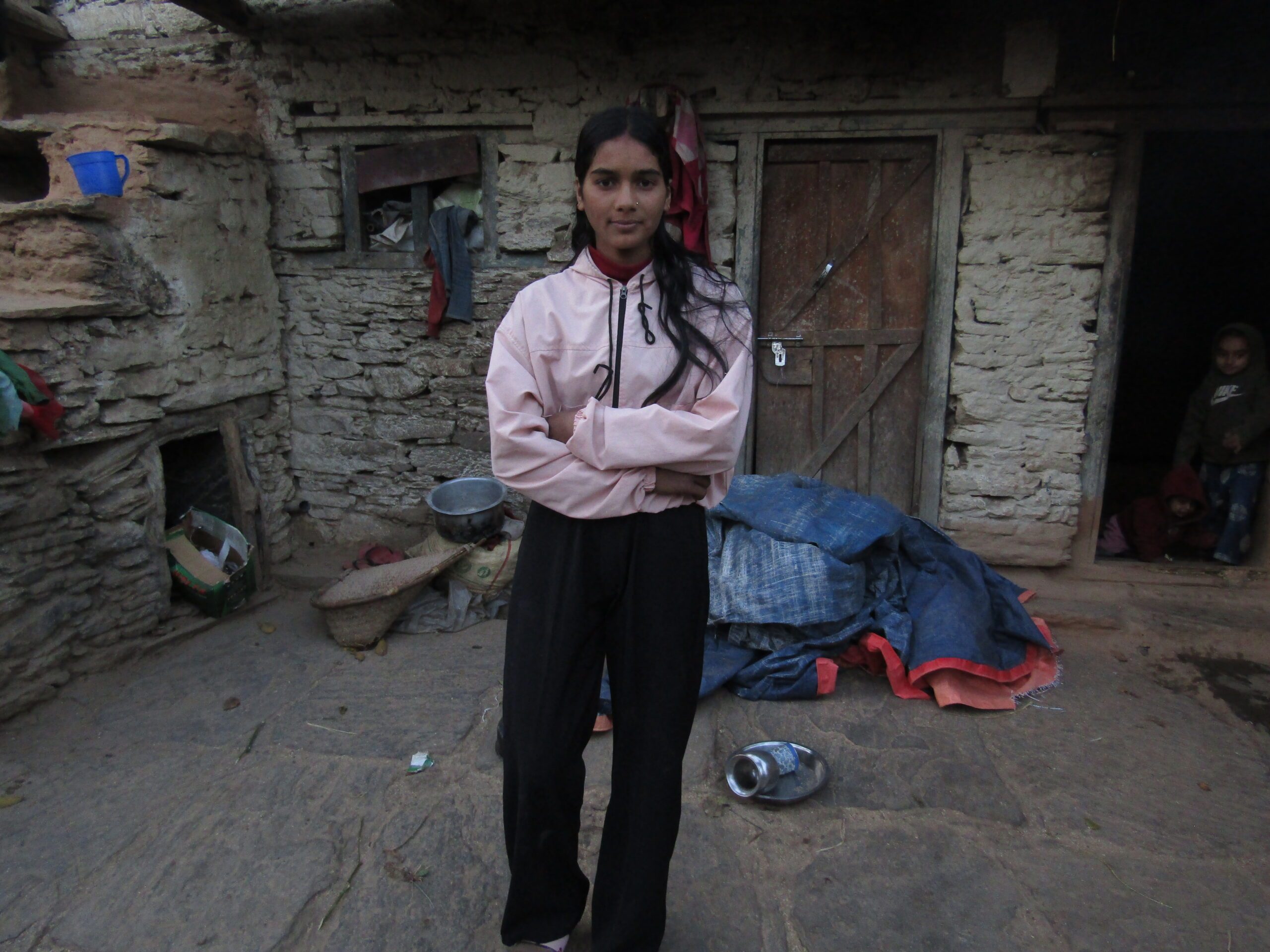
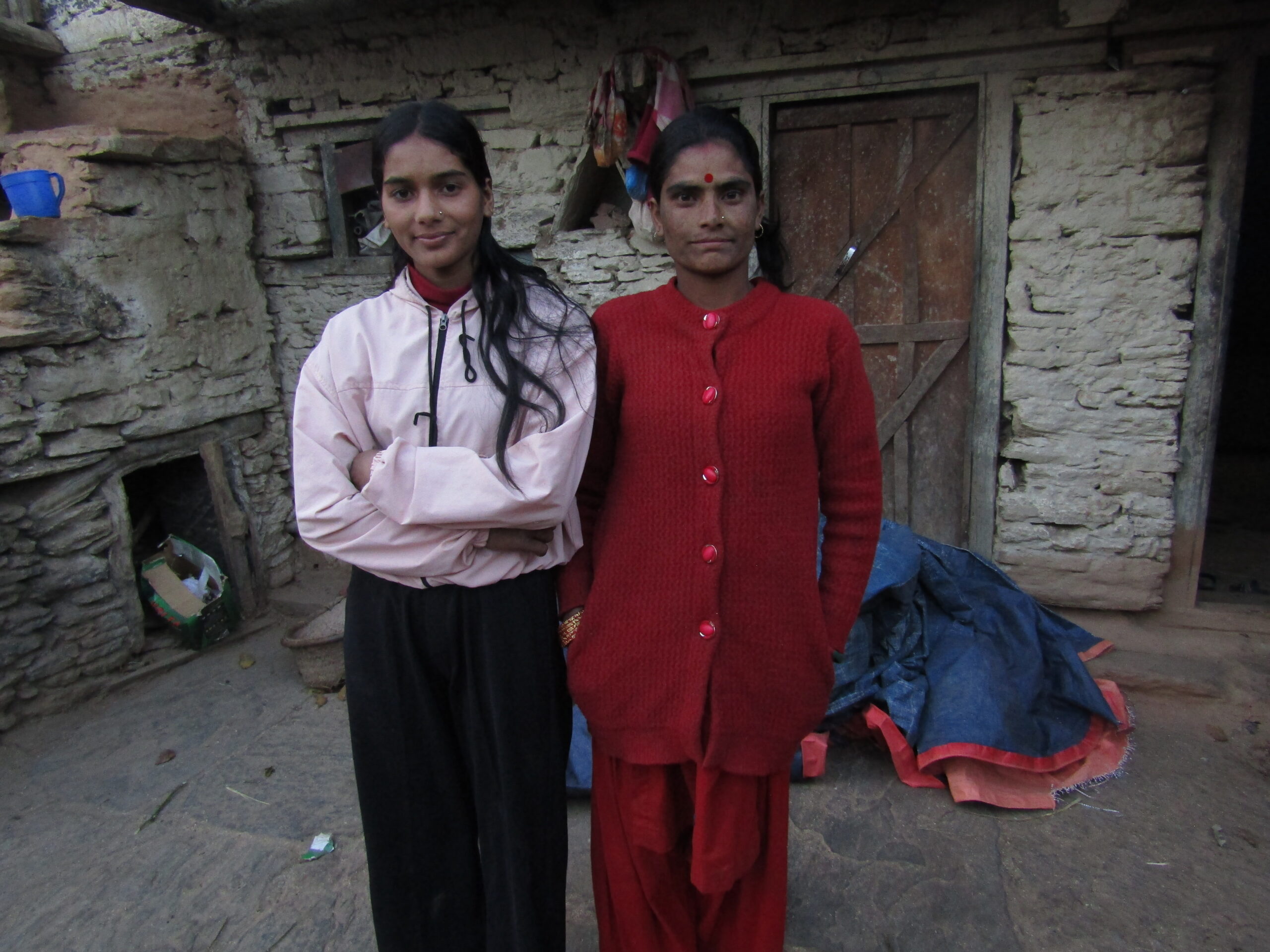
Niruta, a 16-year-old girl from Kalikot district, is an outstanding student currently studying in grade 9. Coming from a modest family, Niruta has always been known for her hard work and dedication to her studies. However, her educational journey was disrupted when she first experienced menstruation.
Menstrual Health and Hygiene (MHH) remain significant challenges for girls and women in Karnali Province of Nepal. Chhaupadi, a tradition involving the seclusion of menstruating women in sheds, is notably prevalent in Karnali Province. According to the 2022 Demographic and Health Survey (DHS), approximately 20% of menstruating women aged 15–49 in Karnali were excluded from staying in their homes during their most recent menstrual period.
Neither her school nor her home provided adequate MHH facilities, leaving Niruta in a constant state of distress. “I was so anxious every time my period was about to start,” she shared. “I would miss school because there were no proper facilities, and I didn’t feel safe or comfortable.”
“I was so anxious every time my period was about to start.”
Niruta, 16, Kalikot
Menstruation and its impact on education
During her period, Niruta often stayed home as her school lacked essential MHH resources, such as a private changing space, sanitary pads, or restrooms equipped for menstruation. This absence of basic facilities made it nearly impossible for her to attend classes.
According to DHS 2022, Only 11.6% of public schools in Karnali Province have menstrual hygiene management facilities, with basic schools even lower at 6.8%.
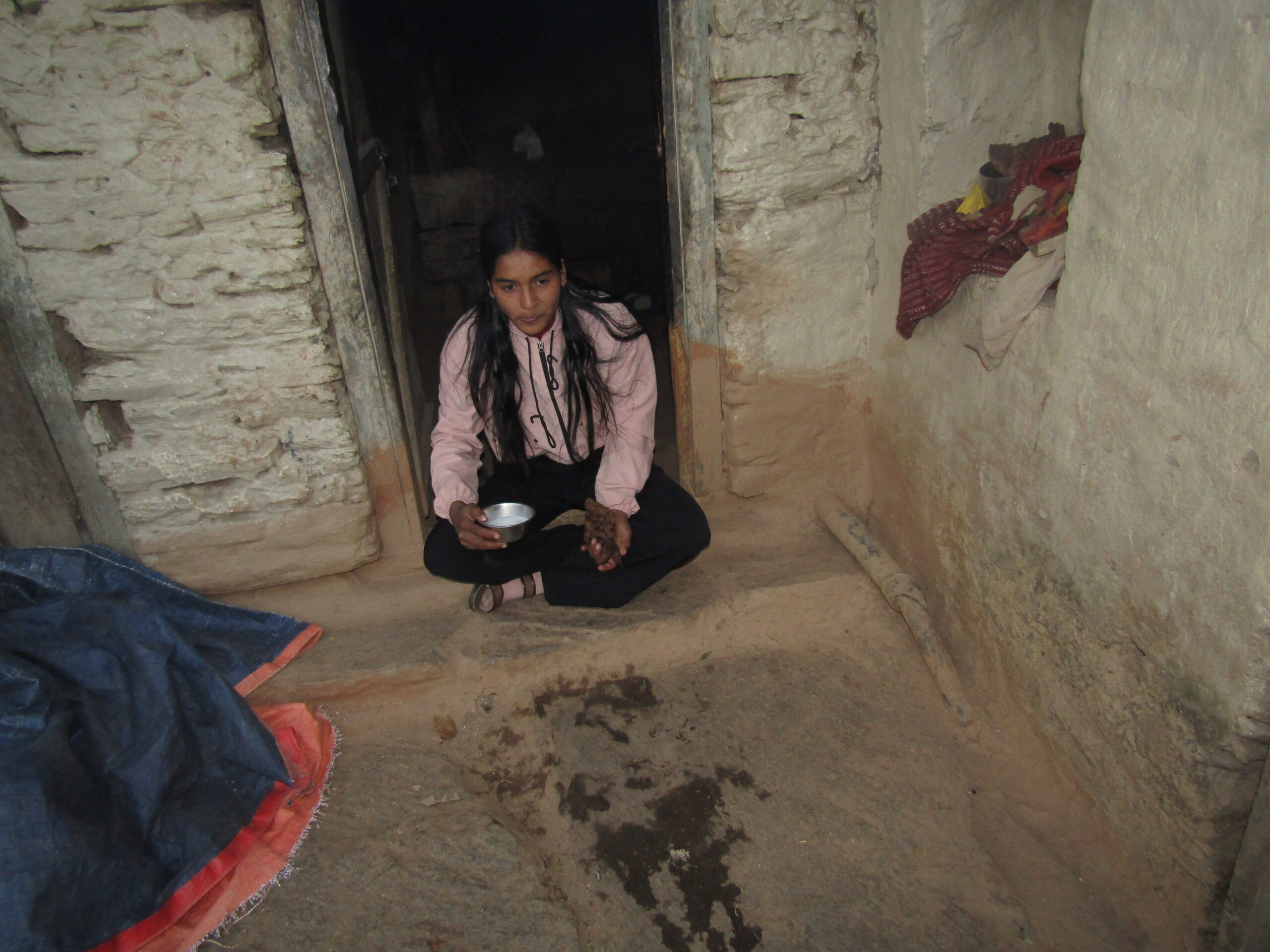
At home, the situation was no better. Traditional practices surrounding menstruation forced her to remain in isolation during her period, further deepening her struggle. “It was hard to focus on my studies when I felt excluded and unsupported,” Niruta explained. She also revealed that many of her friends faced similar difficulties, leading to widespread absenteeism among girls in her school.
“It was hard to focus on my studies when I felt excluded and unsupported.”
Niruta, 16, Kalikot
Joining the fight for menstrual hygiene
Determined to bring change, Niruta became actively involved in the MHH & Water, Sanitation and Hygiene (WASH) Improvement project. She eagerly participated in school and community-based programmes designed to raise awareness about menstrual hygiene.
“I joined every session I could,” Niruta said. “I wanted to learn everything about menstruation so I could overcome my challenges and help others in my community do the same.”
One of the turning points in Niruta’s journey was her participation in intergenerational dialogue sessions. She encouraged her mother to attend, which led to a transformation in their home. Her mother abandoned traditional, harmful practices and embraced modern approaches to menstrual health. “My mother used to make me stay outside the house during my period,” Niruta recalled. “But now, she supports me and even helps me talk to others about better menstrual hygiene.”
Niruta’s mother adds, “I regret every moment I forced my daughter to follow Chhaupadi, believing it was the only way. Watching her suffer made me realise how deeply this tradition hurts our daughters. Now, I stand against it and urge every mother to break this cycle. Our daughters deserve dignity, health, and education, not isolation and shame.”
Becoming a voice for change
Niruta’s active involvement sparked ripples of change within her family and beyond. Inspired by her newfound knowledge, she began sharing what she had learned with her friends and neighbours, fostering broader awareness about the importance of menstrual health.
“At first, I thought I was the only one struggling,” Niruta said. “But when I started speaking up, I realised many girls felt the same. Together, we’ve started to break the silence around menstruation in our community.”
While positive changes began at home, Niruta continued to face challenges at school due to the lack of proper facilities. Recognising this, the project established a fully equipped MHH restroom at her school.
The new facility includes changing clothes, sanitary pads, a mirror, soap, medicines, a hot bag, a bed, and an electric jug for hot water. This development has significantly improved Niruta’s school experience. “Now, I can focus on my studies even during my period,” she said with a smile. “My friends and I no longer have to stay at home or feel embarrassed. We have a safe space where we can take care of ourselves.”
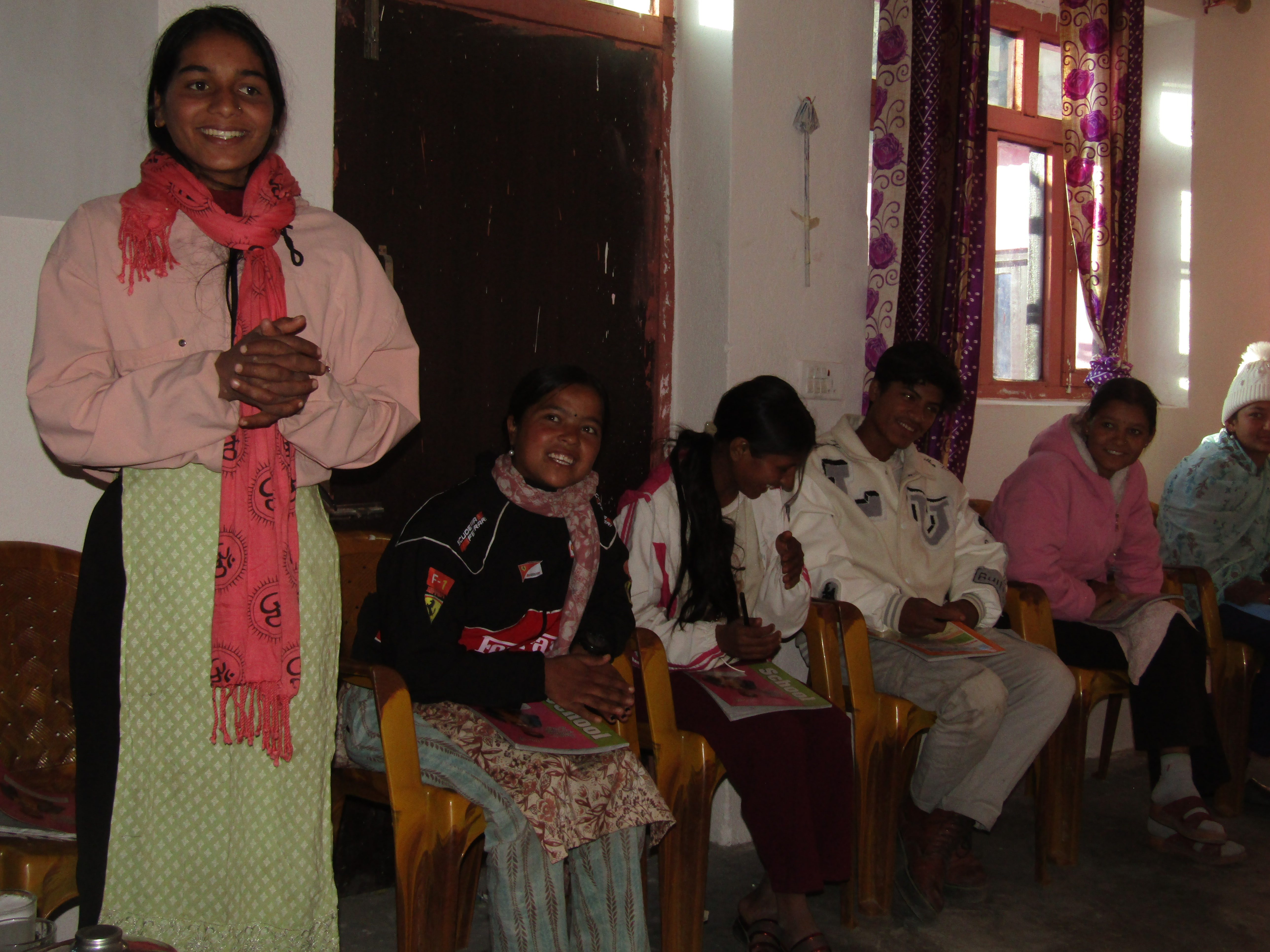
“My friends and I no longer have to stay at home or feel embarrassed. We have a safe space where we can take care of ourselves.”
Niruta, 16, Kalikot
She now attends school regularly and is free from the anxiety that menstruation once caused. Reflecting on her journey, she said, “I feel so much happier now. The school’s MHH restroom has everything we need, and it has made a huge difference. I’m truly grateful to everyone who supported this initiative.”
“Because of this project, my life has changed,” Niruta said. “I hope more girls like me will benefit from such initiatives. No one should have to miss school or feel ashamed because of their period.”
About the project
The MHH & WASH Improvement Project, implemented in partnership with HuRENDEC, is a three-year effort focused on improving the health and well-being of adolescent girls. It has brought important changes by enhancing menstrual health education and upgrading water, sanitation, and hygiene facilities in 10 community schools in Kalikot District. By building better infrastructure, encouraging healthier habits, and involving the community, the project has positively affected students, teachers, and residents alike.
Related pages