My voice from the mountains of Dolpa
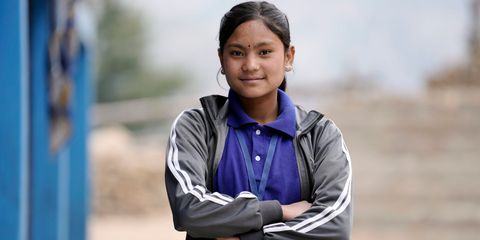
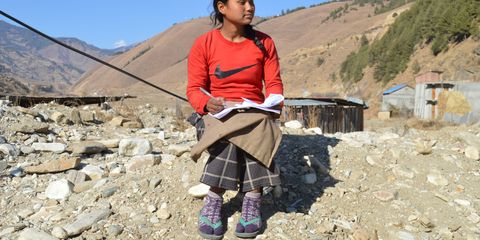
In the remote mountains of Dolpa, 12-year-old Sabitri is stepping up as a young leader, advocating for girls’ health and rights in her community. Let’s hear her story.
A new world beyond the mountains
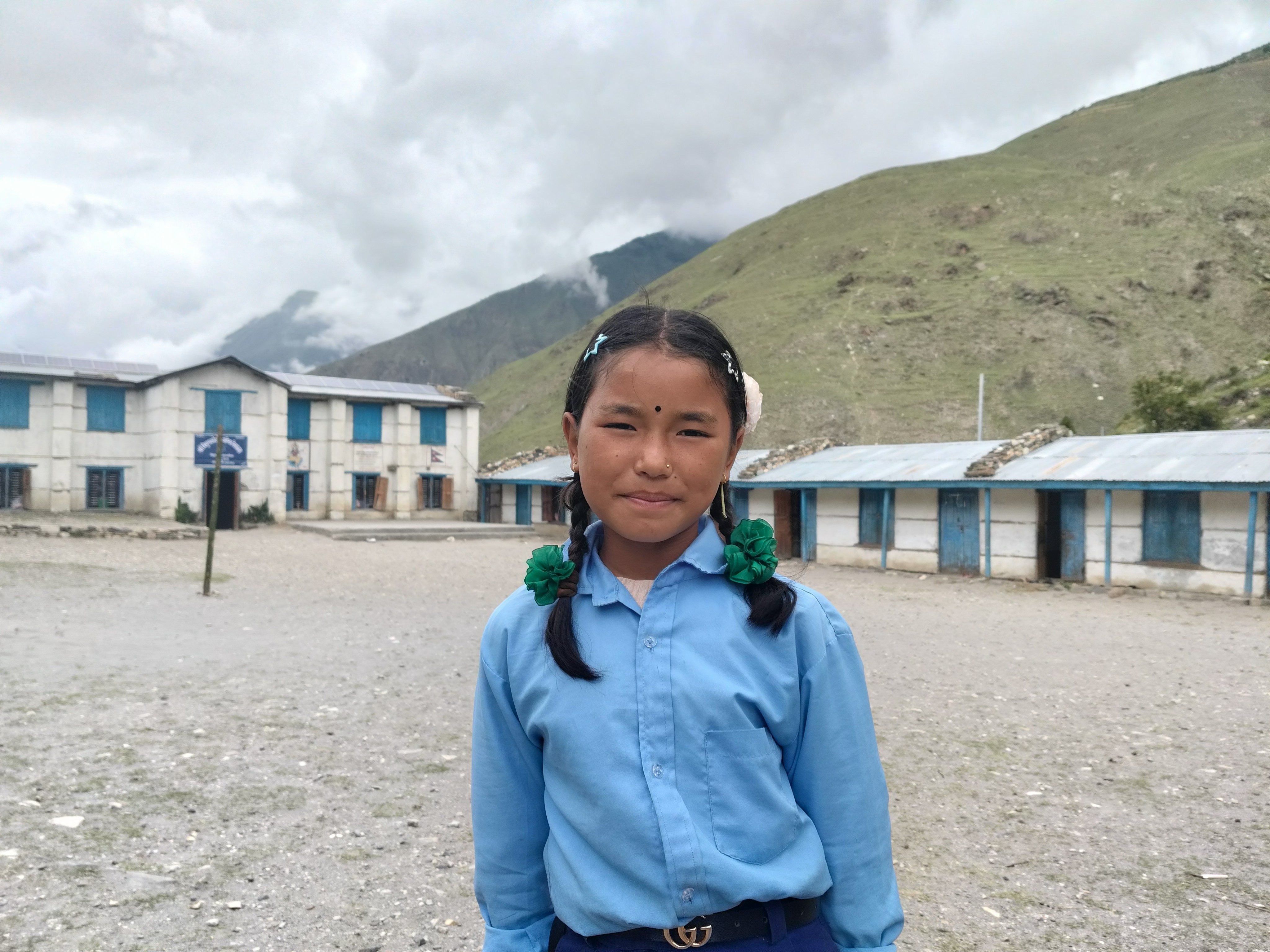
“My name is Sabitri. I study in grade 7. When I was selected to attend a peer-to-peer training, I felt like I had entered a whole new world,” begins Sabitri, a soft-spoken yet determined girl from a remote village in Dolpa, one of Nepal’s most isolated districts.
It was her first time travelling beyond her village, and everything felt different: new food, clean rooms, modern toilets, and a fast-paced lifestyle. “It was nothing like home. Even the restroom looked like something I’d only seen in pictures,” she recalls, wide-eyed. But instead of feeling small, Sabitri embraced it all. She confided in her teacher and took every opportunity to learn.
Back in her school, Sabitri serves as the Secretary of the Adolescent Club. She’s always been active, but this training gave her something more: knowledge and courage. Life in Dolpa is not easy. Most families rely on farming, which is not enough, so many people, including young girls, join the seasonal migration to the highlands to collect Yarsagumba, a rare medicinal herb. This journey, though important for income, brings serious risks for adolescent girls: exposure to child marriage, poor hygiene, violence, and even abuse.
Leading change in the highland camps
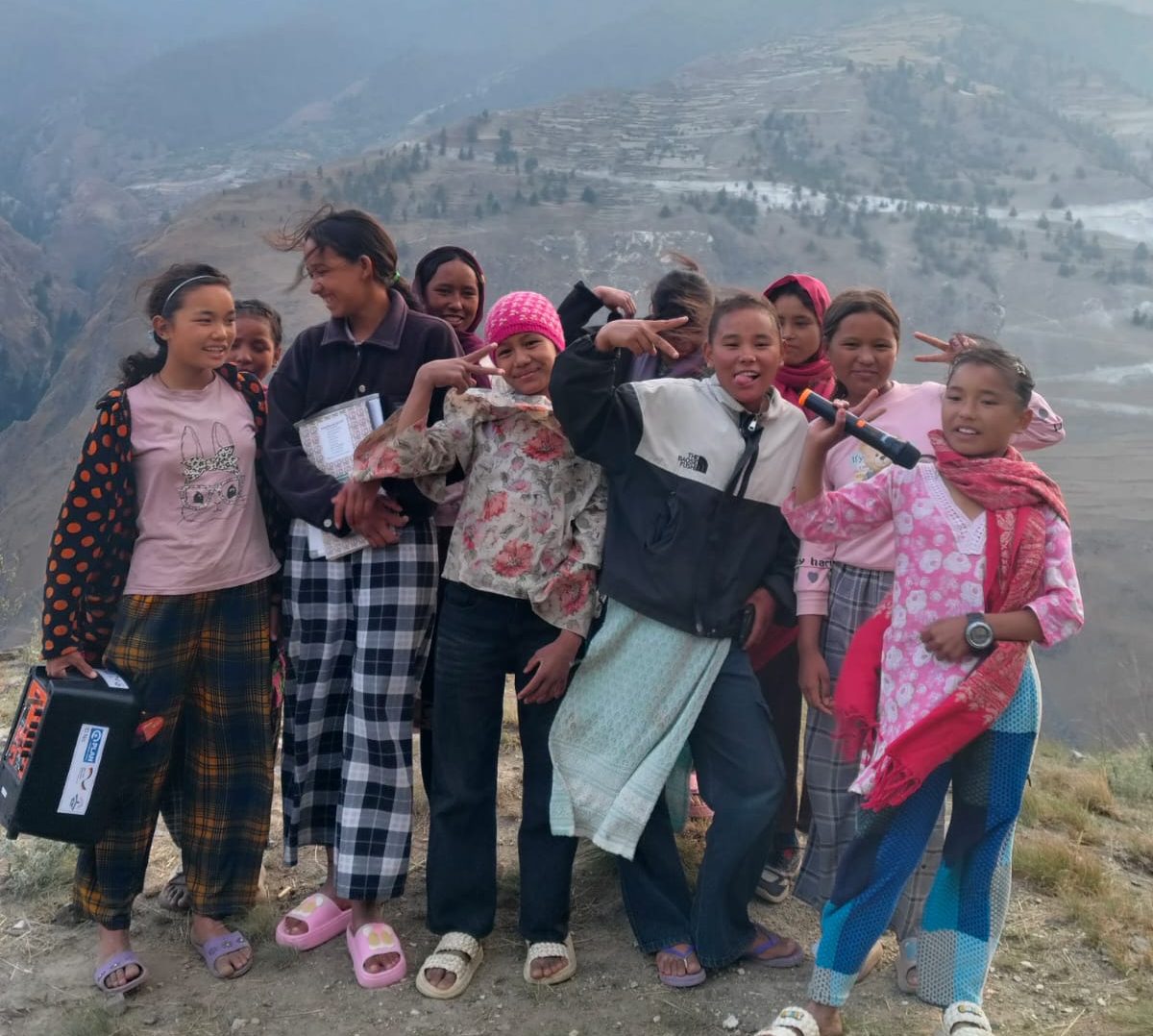
During one such migration to Patan for Yarsagumba collection, Sabitri decided to take action. She used the knowledge she had gained from the Comprehensive Sexuality Education (CSE) training to educate others. She carried a portable speaker, broadcasting messages about menstrual health and rights every morning and evening. She also distributed menstrual health and hygiene kits to girls and women who had no access to clean and safe materials.
“I saw girls struggling with no place to change or rest during their periods. So, I dug a pit for used pads and shared what I had learned: eat well, stay hydrated, rest, and use pads if possible,” she explains. Her small actions made a big impact. One girl told her, ‘You’re the first person who’s ever helped me like this.’ At that moment, Sabitri says, it made her realise the power of her voice.
The risks faced during the Yarsagumba season are often ignored, but through the Breaking Barriers for Girls’ Sexual and Reproductive Health and Rights (BBaGS) project, Sabitri found a platform to speak, act, and lead. She also reached out to local boys and men, helping them understand how to support adolescent girls with dignity and care.
A voice that inspires a village
Returning home, Sabitri didn’t keep her learning to herself. “Before, I was afraid to speak in front of people. I thought I’d be punished if I made a mistake. But now, I speak up about health, about our rights, about changing harmful traditions,” she says with pride.
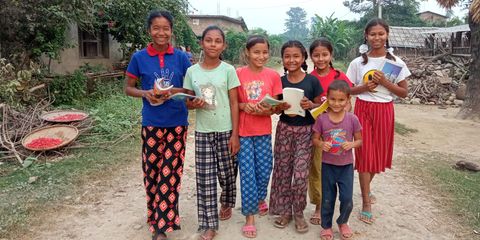
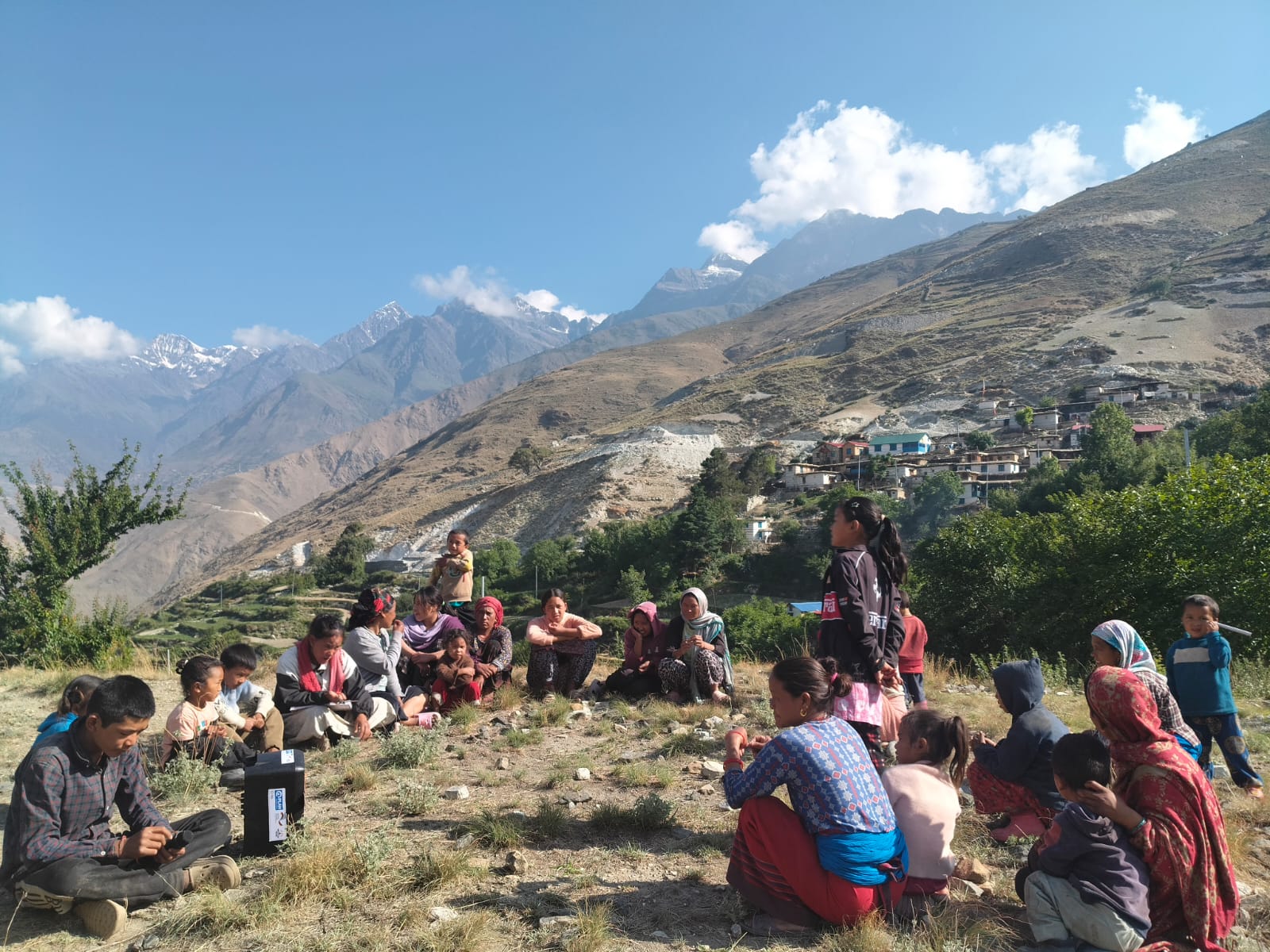
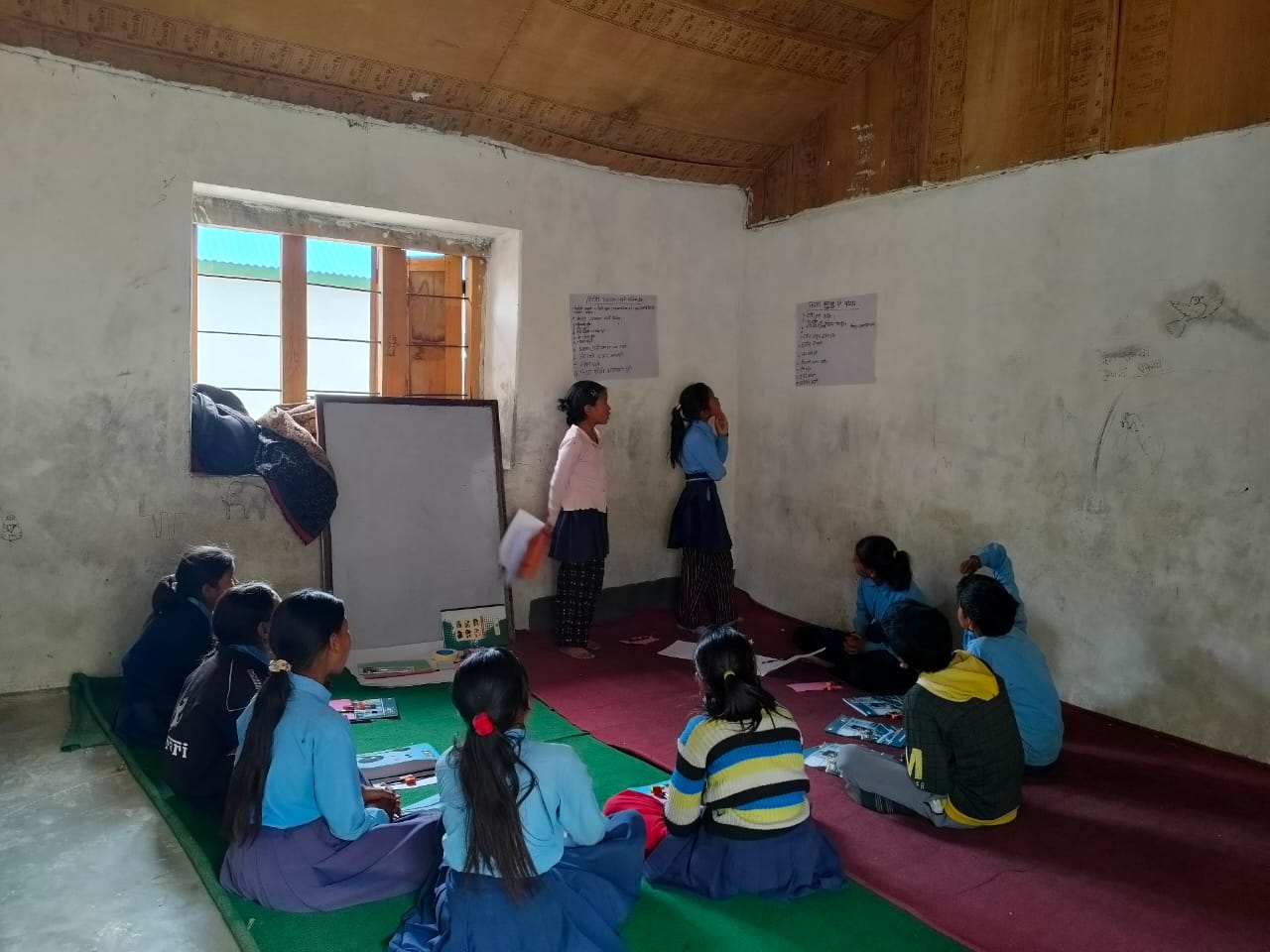
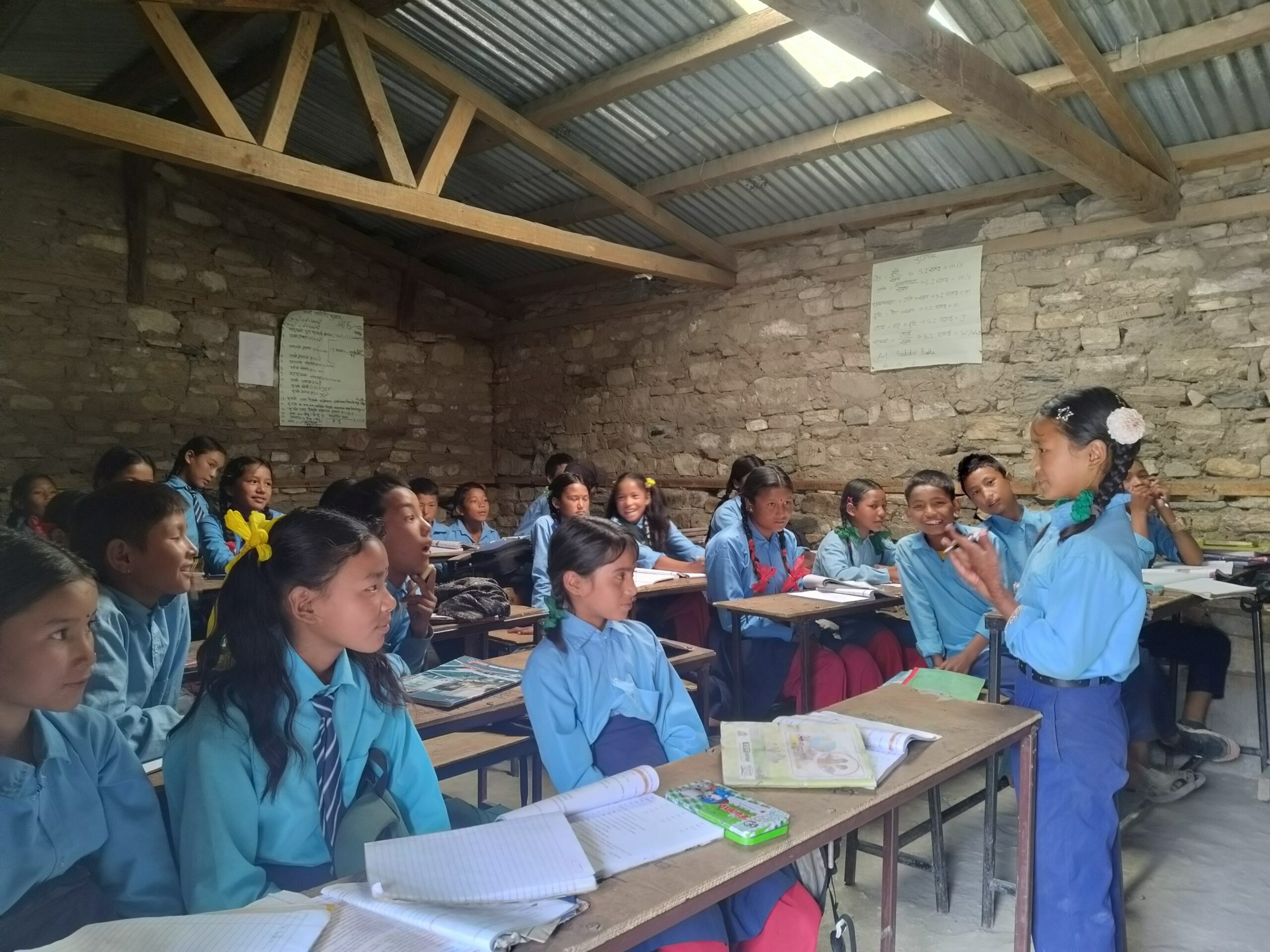
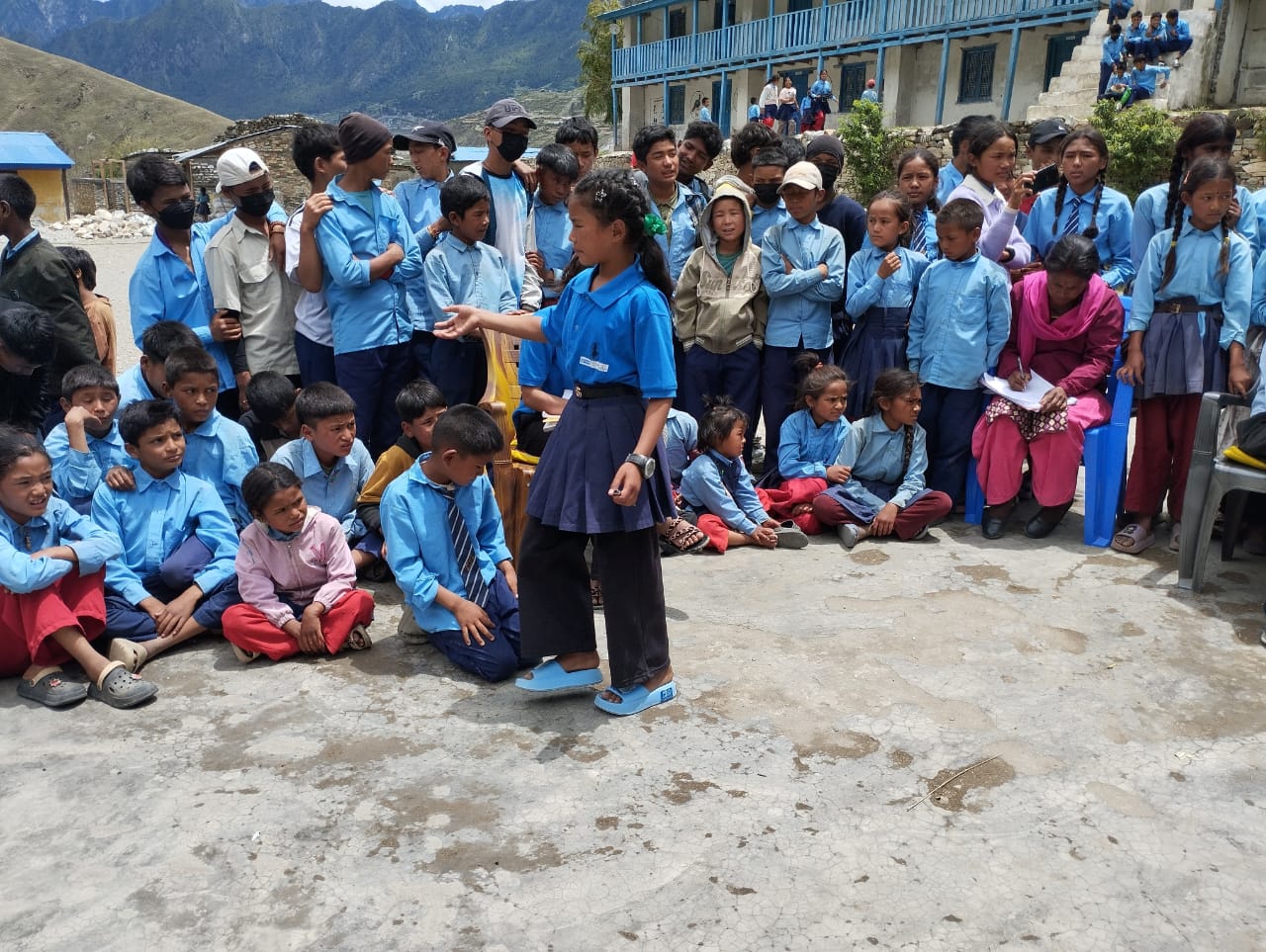
She gathered her friends, organised a village-wide rally, and shared her experience. With the support of her school and community, she used radio jingles, club meetings, and open discussions to engage adolescents and parents alike. She helped people understand that menstruation is not a shameful thing and that every girl deserves safety and dignity.
Sabitri is no longer just a student, she is a peer educator, a leader, and a changemaker. Her dream is to become a doctor, one who stays in Dolpa to serve those who are often forgotten. “Many doctors don’t come here. People in remote villages have no access to healthcare. I want to change that. I want to be there for them,” she says. “I also want to see a Dolpa where girls don’t marry young, where there is no violence at home, and where every voice is heard.”
About the project
The Breaking Barriers for Girls’ Sexual and Reproductive Health and Rights (BBaGS) project is being implemented in two municipalities of the Dolpa district by Plan International Nepal in partnership with SAC Nepal and with financial support from the German Federal Ministry for Economic Cooperation and Development (BMZ). The project aims to empower adolescent girls and young women like Sabitri to make informed decisions about their bodies and futures, with the support of their families, schools, and communities.
Related pages