Mukesh: From empty shelves to new beginnings
Mukesh, a young entrepreneur from Dhanusha, turned his dream of owning a cosmetics shop into reality despite strong social barriers in his community. Today, his small business is improving his family’s livelihood while quietly changing attitudes and creating a more supportive space for women and girls.
Skills and confidence that built a business
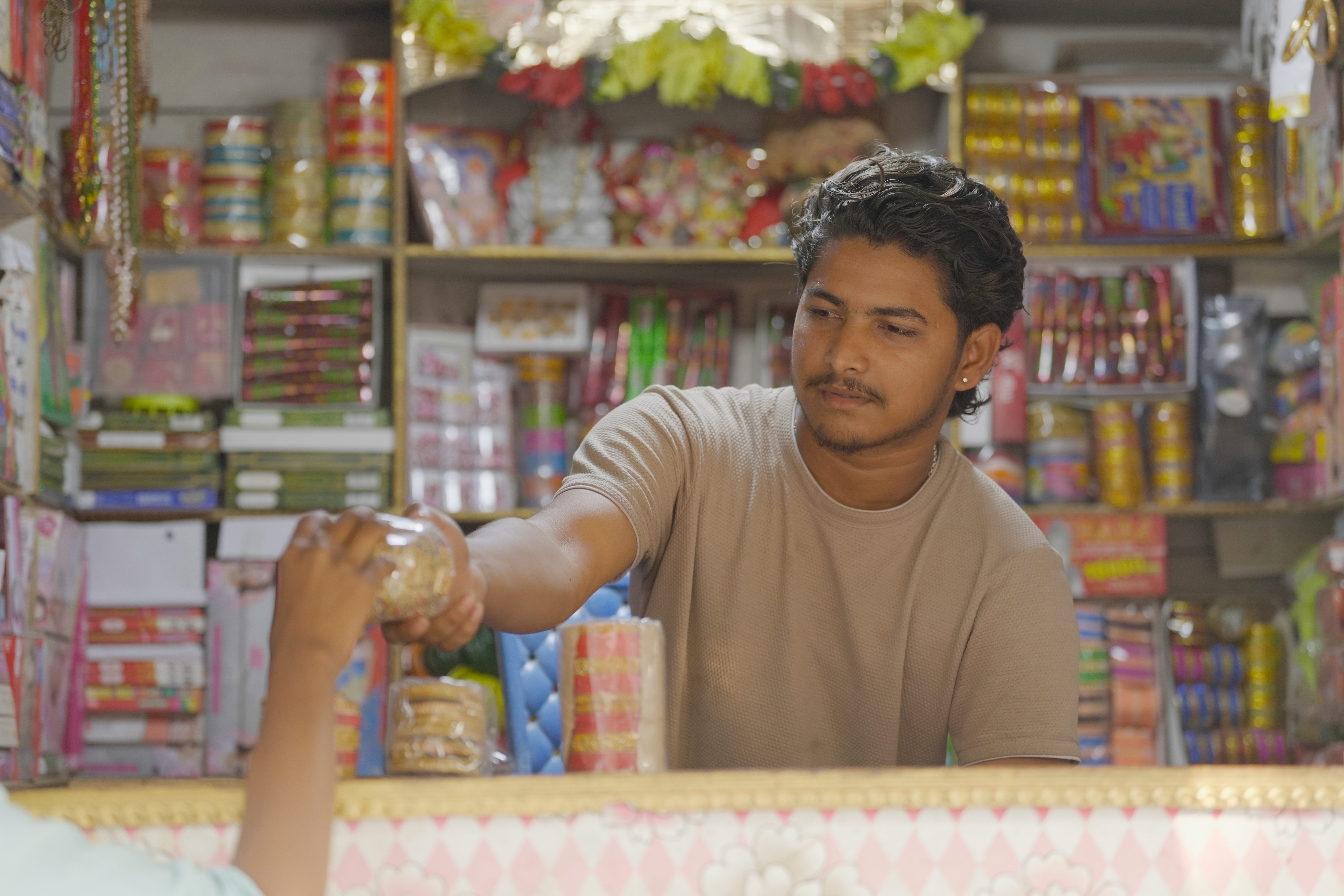
Twenty-year-old Mukesh from Dhanusha runs a small cosmetics shop in his village. While this may seem ordinary, it is unusual in his community, where men rarely sell cosmetics. Social norms are strict. Many women still cover their faces with veils and are discouraged from speaking to men outside their families.
“I opened the shop, but no customers came.”
“Cosmetics are mostly for women, and in our community, women do not feel comfortable talking to men or showing their faces,” he recalls. “I felt very disheartened. But when a few women slowly started coming, I felt hopeful again.”
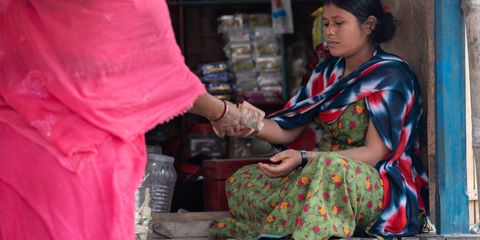
To make women feel comfortable, Mukesh found a simple solution. He asked his mother and wife to help run the shop. Their presence built trust. “When my mother and wife started sitting in the shop, more women began to come. Later, I also started sitting there again, and gradually they felt comfortable buying from me too,” he says.
“When my mother and wife started sitting in the shop, more women began to come.”
Mukesh
His shop soon became important for the community. There was no other cosmetics shop in the area, and women and girls needed products such as sanitary pads. “Before I started, there was not a single cosmetic shop here. Even now, mine is the only one”, says Mukesh. “People need these products, so customers slowly increased. Now the shop is doing well,” Mukesh shares with a smile.
Inside his small shop are beauty products, bangles, necklaces, soap, shampoo, and sanitary pads. As customers increased, so did his income. “I now earn between NPR 500–1,500 per day, which is roughly €3.50–€10.50, and NPR 18,000–25,000 per month is about €125–€175 a month. This business has changed my financial situation. Managing household expenses is much easier,” he says.
Life was very different before. “We only had a small house, and my parents worked as farm labourers. There was no regular income. Life was very hard. Now there is some relief.”
A small shop creating big social change
Mukesh’s journey began when a neighbour working at a bank told him about a training organised by the local government. Mukesh had always wanted to open a cosmetics shop and applied immediately.
“It felt like destiny. The training gave me the opportunity I had been waiting for,” he says.
Through training, Mukesh received step-by-step business and life skills training. “The life skills training gave me confidence. It helped me believe that I could achieve my goal,” he recalls.
Along with the training, he received business materials worth NPR 58,000 (roughly €405) and NPR 20,000 (about €140) from his own savings to start the shop.
The training did more than help him start a business. It also changed his behaviour at home. “Earlier, I used to spend my time wandering around and did not help my family. Now I run my shop and also help with household work like cooking, cleaning, and washing dishes. The training changed my mindset,” he shares.
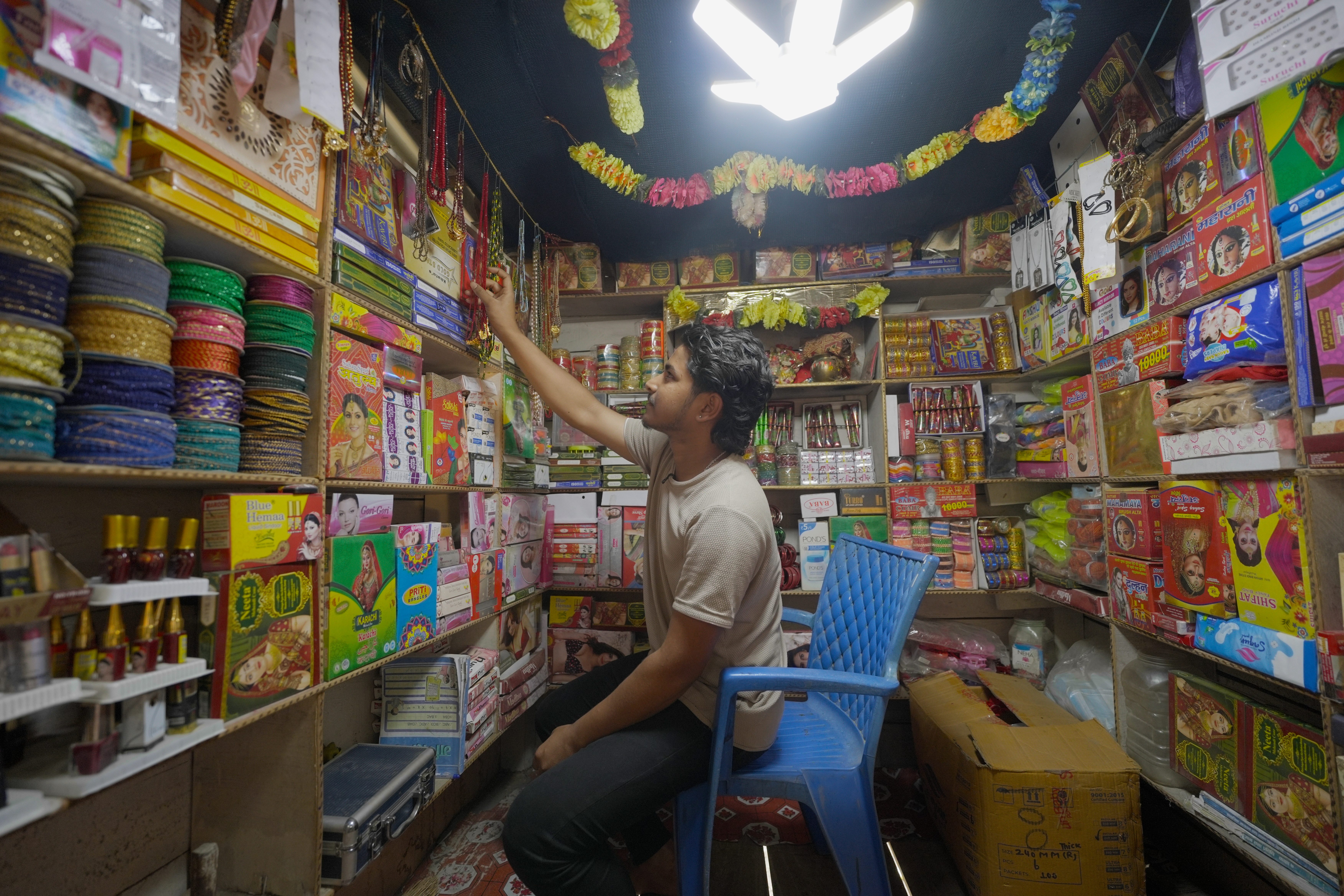
Mukesh also challenges the restrictions placed on women in his community. “People still say women should not go outside or talk to other men. I do not believe this is right. I recently got married, and I treat my wife with respect. If she wants to start a business or do something else, I will support her,” he says firmly.
His shop has also become a safe space for women and girls. Many feel shy to ask for sanitary pads.
“I gently tell them there is nothing to feel ashamed about. Slowly, they are becoming more confident, and that makes me very happy,” he says.
Over time, he has seen change among men as well. “In the beginning, husbands or brothers came to buy sanitary pads. Now women come themselves, and even men buy these products without hesitation. What was once taboo is now becoming normal.”
“In the beginning, husbands or brothers came to buy sanitary pads. Now women come themselves, and even men buy these products without hesitation. What was once taboo is now becoming normal.”
Mukesh
Today, Mukesh’s shop is more than a business. It is helping change attitudes in the community.
The same young man who once waited alone in an empty shop is now confident and respected. “I feel proud. Many friends come to ask how they can start a business, and I share what I learned. The best feeling is that I now have my own identity as an entrepreneur. People respect me.”
For Mukesh, this is only the start. “I want to grow this business. I will keep saving money, and one day I want to open the biggest wholesale store in this area,” he says with determination.
About the project
The Youth Employment and Entrepreneurship Development (YEED) project, led by Plan International Nepal with local partners, helps young people in Sindhuli and Dhanusha gain skills and start their own businesses.
Through YEED, youth like Mukesh receive training and support to turn ideas into real businesses, build confidence, and improve their livelihoods, showing how the right guidance can transform lives.
Related pages