I will study and live my dreams
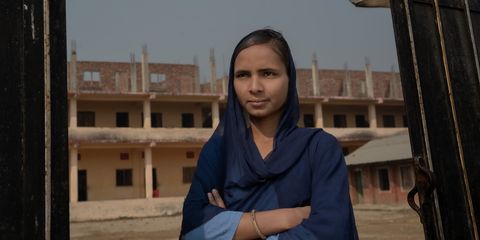
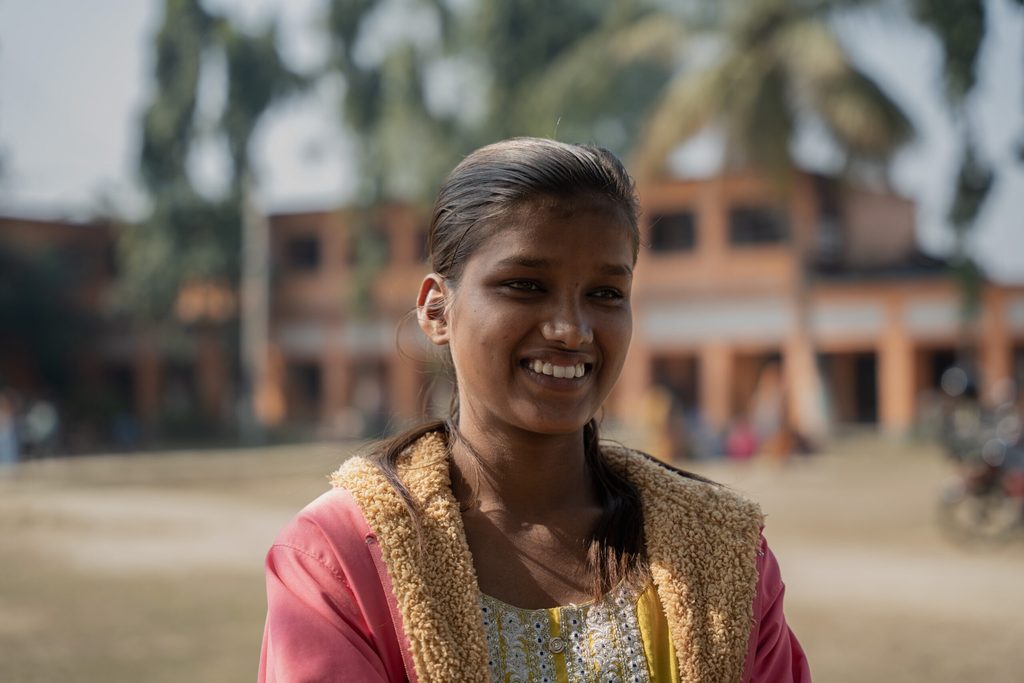
Vidya stands confident in her classroom, learning, speaking out, and inspiring others to believe in themselves. She has lived with weak eyesight since birth, but it has never stopped her from chasing her education. Here is her story in her own words.
Growing up with challenges, but a strong will to learn
“My name is Vidya. I am 18 years old, and I study in grade 9 in Dhanusha.”
“Since birth, I have lived with very weak eyesight. I always wanted to go to school, read books, and learn like other children. But poverty and my disability made this very difficult.”
“My eyes may be weak, but my desire to learn is strong. I often tell myself.”
“At first, my parents could not send me to school. When I was finally enrolled in a nearby school, I felt like my dream had begun. But the journey to school was painful. People mocked the way I looked and walked. Some children even threw stones at me on the road.”
“I used to feel hurt and ashamed, but I decided that their words would not decide my future.”
“At home, things were also hard. My mother often told me not to go to school. She said I should stay home and work because studying would not help me, and I would only become a burden to my brother.”
“But I refused to accept that. I kept telling her, ‘Let me study. I will stand on my own feet. I will not be a burden to anyone.’”
“My eyes may be weak, but my desire to learn is strong. I often tell myself.”
Vidya, 18, Dhanusha
Finding support and continuing my education
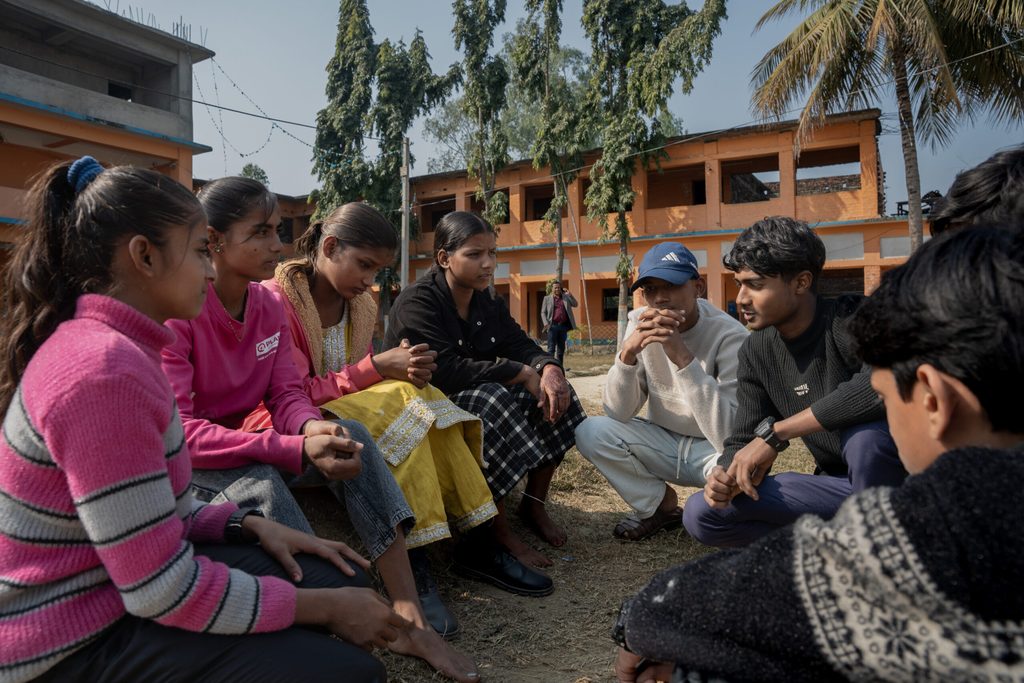
“A turning point in my life came when Yamuna, a sister from my community, began supporting me. She cares for me like a second mother and always encourages me.”
“Around the same time, my school’s trained comprehensive sexuality education teacher, Poonam, visited my home.”
“She spoke to my parents about the importance of my education and helped them understand my potential.”
“Slowly, my parents changed their minds and agreed to support my schooling. Since then, my school and my teachers have stood beside me.”
“Through school, I learned about my body, menstrual health, and my rights.”
“These lessons helped me understand that girls like me, even with disabilities, have the right to take care of ourselves and make choices about our lives.”
“Through school, I learned about my body, menstrual health, and my rights.”
Vidya, 18, Dhanusha
“I also talk to my parents about what I learn. When families understand sexual and reproductive health, they support us more, and girls don’t have to face fear or shame just because of their disability.”
“Because of my eyesight, reading and writing are still difficult. I learn by listening carefully in class and remembering what I hear.”
“I listen to every word my teacher says. That is how I read my lessons.”
“Joining the school’s Champion of Change club changed me a lot.”
“The girl who once stayed silent now speaks in front of others. I talk against child marriage, forced marriage, and promote menstrual health for girls with disabilities in my school and community.”
“I used to be afraid to speak. Now I speak so that other girls like me will not stay silent.”
“I still face many challenges every day, but I continue to study in my own way. I even compose poems, though I have never had formal training in writing.”
“Girls with disabilities can learn, lead, and dream just like anyone else. We only need a chance.”
“For me, education is more than going to school. Education is my path to dignity, confidence, and independence.”
About the project
Child, Not Bride is a four-year, multi-sectoral project funded by the Norwegian Broadcasting Corporation (NRK Telethon) that focuses on education, youth leadership, and economic empowerment. Led by Plan International and implemented by local partners, BEE Group in Bardiya and Aasaman Nepal in Dhanusha, the project supports adolescents from marginalised communities, including those with disabilities. It identifies children facing barriers to education, provides learning materials, engages their families, and helps bring adolescents back to formal schooling.
The project also engages young people in Champion of Change sessions, empowering them to become campaigners in their own communities. Through these sessions, adolescents raise their voices against gender stereotypes, child marriage, and other social barriers, creating awareness and inspiring change for themselves and others.
Related pages