Gorkha is standing for girls rights
In Dolpa’s high-altitude villages, 38-year-old Gorkha is challenging deep-rooted traditions as a priest and School Management Committee chair, championing girls’ rights and sexual and reproductive health and rights in his community.
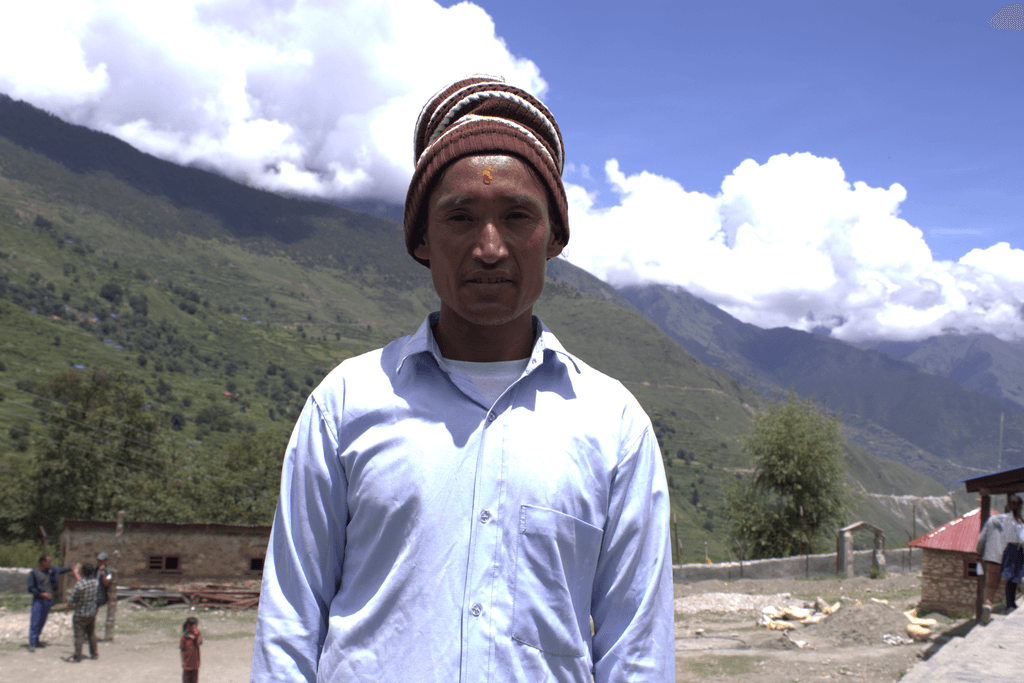
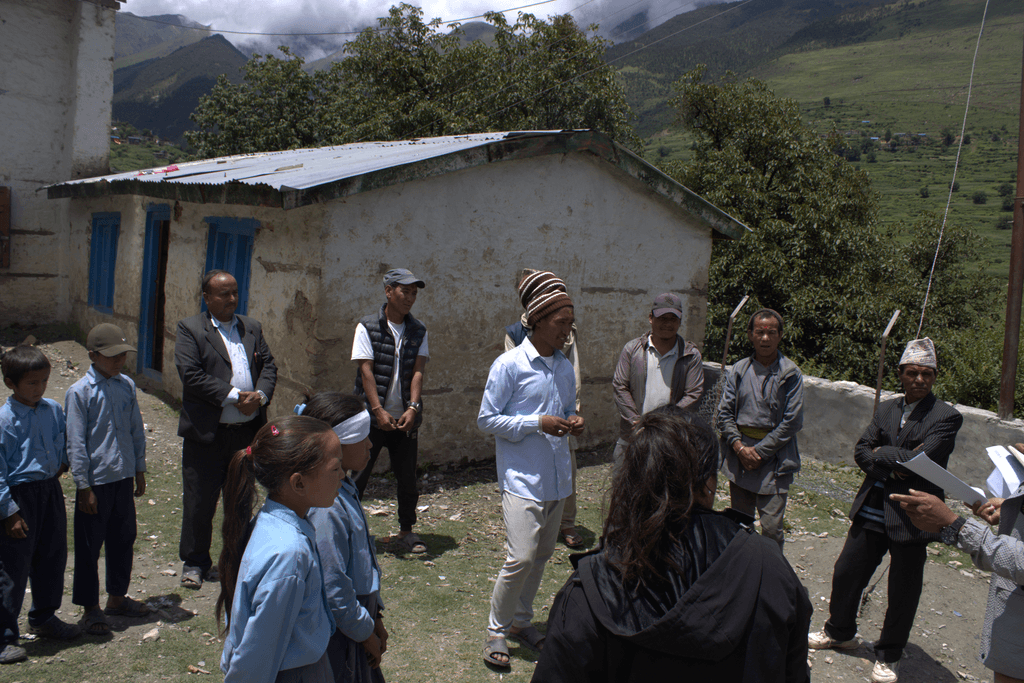
In the high-altitude villages of Dolpa, where culture and custom run deep, Gorkha is redefining what it means to be a community leader. At 38, Gorkha carries the weight of tradition as a respected priest (Dhaami) while also serving as Chairperson of the local School Management Committee (SMC). Through these dual roles, he is challenging deeply rooted gender norms and standing up for the rights of adolescents, especially girls, to lead healthy, empowered lives.
In a place where menstruating girls are still banished to cold sheds, where child marriage is hidden behind the veil of custom, and where open conversations around Sexual and Reproductive Health and Rights (SRHR) are considered taboo, Gorkha is leading a quiet revolution.
Self realisation
Gorkha says, “As a healer, I stayed silent. As a leader, I couldn’t anymore.”
“I used to stay away from these issues,” Gorkha admits. “As a traditional healer, I thought it wasn’t my place. But as Chairperson of the SMC, I realised ignoring them was only making things worse. Now is the time to speak out.”
Gorkha’s turning point came during a community event where adolescents and female community health volunteers shared emotional testimonies about harmful menstrual practices. Girls described sleeping in animal sheds during their periods, exiled from their homes, stripped of dignity, and forbidden from touching sacred spaces or consuming dairy.
That night, he could not sleep. “I realised I had contributed to these customs by not challenging them,” he reflects. “If tradition is causing harm, then maybe tradition needs to evolve.”
“If tradition is causing harm, then maybe tradition needs to evolve.”
Gorkha, a traditional healer in Dolpa
Tradition with purpose
Gorkha began taking bold steps. The very next day, he gathered fellow traditional healers in his ward and initiated a discussion on SRHR, something that had never happened before. He urged them to reflect on their influence and responsibility. “We are not just carriers of rituals,” he told them. “We are influencers of belief. We can either uphold stigma or help end it.”
His leadership didn’t stop there. With support from the Breaking Barriers for Girls’ Sexual and Reproductive Health and Rights (BBaGS) project in Dolpa, Gorkha has ensured that SRHR is now included in the school improvement plan. The school is becoming a safer, more informed space for girls.
No more harmful traditions in schools
“There will be no child marriage justified by culture in my community.”
As Gorkha sees it, real leadership is not about holding titles; it’s about being accountable for the future. “Culture, religion, or tradition, none of these should be used to justify child marriage or restrict girls’ freedoms,” he says firmly. “I will not allow it in my community. I stand against it.”
His transformation has inspired others, both men and women, young and old, to reflect on their own roles. He is no longer just a healer or a committee head. He is a role model, dismantling harmful gender norms and proving that change can come from within.
In the most unlikely of places, and from the most traditional of voices, a powerful message is being heard: that faith and progress are not in conflict and that every girl, no matter where she is born, has the right to dignity, freedom, and opportunity.
About the project
The BBaGS project is implemented in Thulibheri and Tripurasundari municipalities of Dolpa, aiming to empower adolescent girls and young women to access and exercise their SRHR. With the active involvement of parents, teachers, traditional leaders, and health institutions, the project is fostering an enabling environment where girls can thrive. The project is funded by the German Federal Ministry for Economic Cooperation and Development (BMZ) and implemented by SAC Nepal and Plan International Nepal.
Related pages