Binita is challenging menstrual injustice in Dolpa
In Dolpa’s remote hills, 14-year-old Binita is breaking taboos around menstruation and standing up for girls’ rights. Let’s hear her story in her own words.
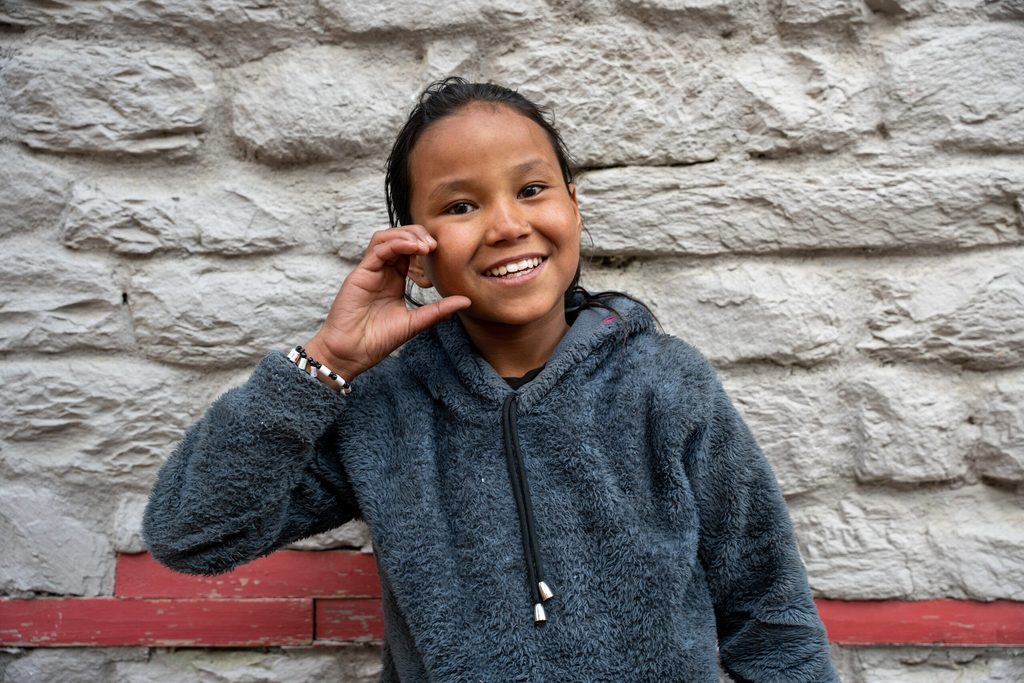
In Dolpa’s remote hills, 14-year-old Binita is breaking taboos and amplifying girls’ voices. From a shy student to a bold peer educator, she champions menstrual dignity and challenges harmful gender norms, paving her path from silence to leadership.
My silence for the time being
“At first, I believed I had to stay silent.”
“I come from a small farming family in Dolpa, where life follows a strict rhythm shaped by deep-rooted traditions. Like many girls here, I help with household chores early in the morning before heading to school, and again in the evenings. Our financial situation isn’t easy, but I’m determined to keep learning.”
“I still remember my first menstruation. I was shocked and scared. My mother told me not to touch anyone, not to look at the gods, not to enter the kitchen, not even to stay in my own room. I was made to sit alone in a corner of the house. At that time, I didn’t question it. I thought it was just how things were meant to be.”
“Then one day, our teacher taught us something that changed everything. She said menstruation isn’t a sin. It’s natural. I couldn’t believe it at first. But it made me realise that much of what I’d grown up believing was based on fear, not fact.”
“That lesson stayed with me.”
Joining an adolescent club
“Now I use my voice to speak for girls like me.”
“I joined the school’s Adolescent Club, and that’s where my journey really began. Through the club, I became a peer educator, learning about sexual and reproductive health and rights (SRHR), gender equality, and how to identify safe and unsafe behaviour. I started sharing what I’d learned with my classmates and even with my teachers.”
“One day, I heard a friend had missed school because of her first period. I knew exactly how she felt, I’d been there. So, I visited her at home and explained that there was nothing wrong with what she was going through. I told her it was natural, not shameful. ‘Let’s go to school together,’ I said. She smiled. And the next day, we walked into class side by side. I felt proud.”
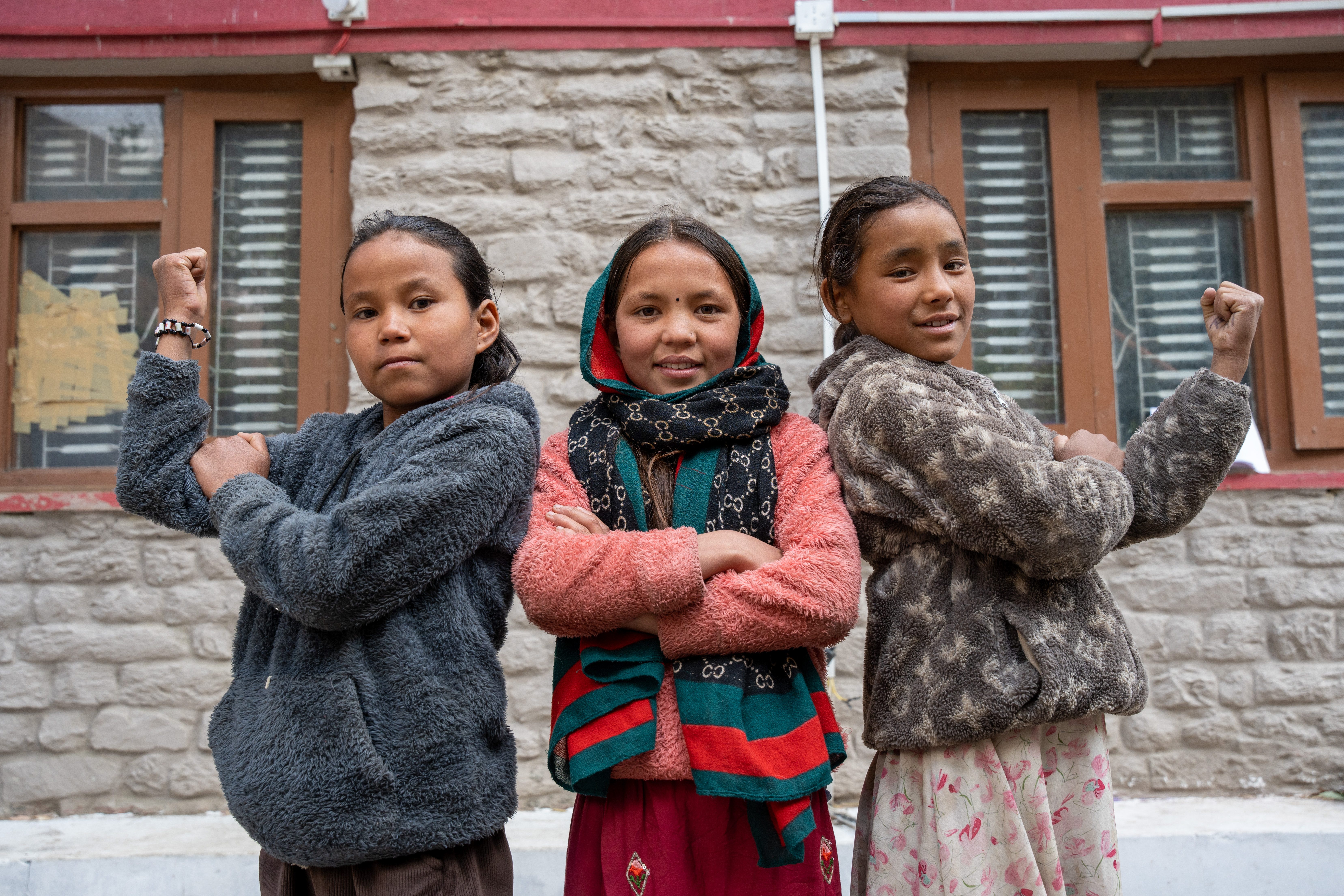
“That moment gave me the confidence to do more. At an intergenerational dialogue programme, I stood up and spoke about the restrictions girls face during menstruation. I was nervous and stumbled over my words, but a friend sitting beside me whispered, ‘You’re doing great.’ Her support meant the world. Later, I realised I had spoken my truth, and that mattered.”
“I was nervous at first, but then I realised I had already made my voice heard. That’s what counts. And I’m proud of it.”
Binita, a peer educator in Dolpa
“I was nervous at first, but then I realised I had already made my voice heard. That’s what counts. And I’m proud of it.”
“I’ve also helped push for change at school, like improving menstrual health and hygiene management facilities, ensuring there are restrooms and kits available so no girl has to miss class during her period.”
“Now, I talk openly with my peers about SRHR, about harmful customs, and about standing up for ourselves. I challenge the idea that girls should do all the housework or stay quiet during community decisions. These beliefs may be old, but that doesn’t mean they’re right.”
“I used to follow rules that made me feel small. Now, I question them. And I help other girls find their voices too.”
“I used to follow rules that made me feel small. Now, I question them. And I help other girls find their voices too.”
Binita, a peer educator
Becoming the change
“Being a peer educator, I’ve gained knowledge, skills, and most importantly, the courage to lead. As a peer educator, I work with my school, health centre, and local leaders to create safe, inclusive spaces for adolescents like me.”
“I want every girl in my community to feel seen, heard, and supported. I want schools where no girl has to hide during her period. I want to keep learning, keep growing, and keep speaking out against injustice until our voices become impossible to ignore.”
“I never used to reflect on my own experiences. But now, I use them to speak up for myself and for others. That’s how change begins.”
About the project
The Breaking Barriers for Girls’ Sexual and Reproductive Health and Rights (BBaGS) project, funded by the German Federal Ministry for Economic Cooperation and Development (BMZ), is implemented by SAC Nepal in partnership with Plan International Nepal. The project aims to empower adolescent girls and young women in Dolpa to claim their SRHR and to challenge the harmful social norms that limit their potential.
By working closely with adolescents, schools, health posts, families, local governments, and other community stakeholders, BBaGS is creating adolescent-friendly environments both at home and in public spaces. The project supports girls like Binita to become informed, confident, and active agents of change in their communities, promoting gender equality and advancing menstrual health, school retention, and bodily autonomy.
Related pages