Building futures through informal education in Nigeria
2 February 2026In North-West Nigeria, conflict, poverty, and displacement continue to deny millions of children and young people access to education and livelihoods. In this challenging context, informal and accelerated education is proving to be a powerful pathway to opportunity, especially for girls and young women who have been left furthest behind.
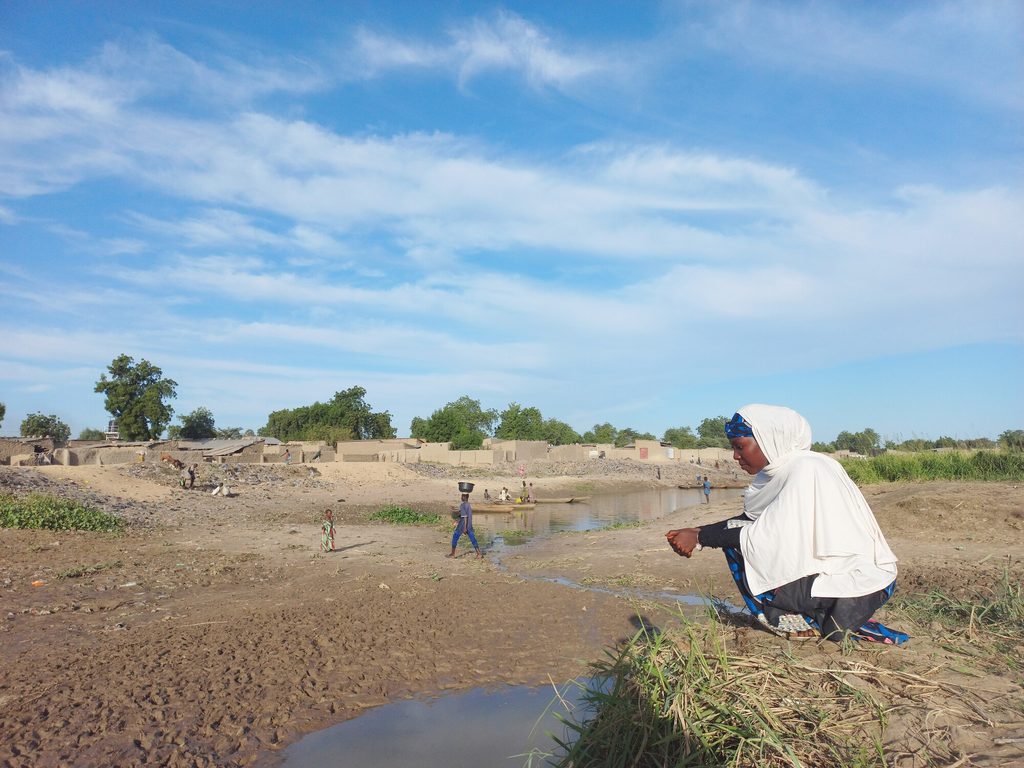
With support from the European Union (DG INTPA), Plan International is delivering a large-scale education and livelihoods programme that is expanding access to learning, skills, and economic opportunities for some of the most marginalised communities in Sokoto, Kano, and Jigawa States.
A region in crisis
Nigeria is home to one of the world’s largest populations of out-of-school children. Around 10.5 million children are currently out of school, accounting for nearly 20% of the global total. Poverty, insecurity, and displacement are key drivers of exclusion -particularly in the North-West, where banditry, kidnappings, and violent attacks have disrupted education systems and livelihoods.
Only 61% of children aged 6–11 attend primary school regularly, and access to early childhood education remains limited. For girls, young women, nomadic populations, and children with disabilities, the barriers are even higher. Without targeted interventions, many young people risk being permanently locked out of education and decent work.
An integrated response
To address these challenges, Plan International is implementing a EUR 10+ million EU-funded action that combines accelerated education, vocational training, and youth empowerment. The programme is designed to reach young people where formal systems have failed, while strengthening long-term education and employment pathways.
Through the project, Plan International is:
- Expanding access to safe, inclusive, and quality accelerated learning programmes for 324,000 girls and boys, supporting their return to education.
- Providing 60,000 young people with access to vocational training, livelihood opportunities, and green jobs, with a focus on employability and self-employment.
- Strengthening the capacity of teachers, community leaders, and education authorities to promote safe schools, girls’ empowerment, and peaceful coexistence.
- Supporting the institutionalisation of Accelerated Basic Education Programmes (ABEP) across the three target states, aligned with government priorities.
The action specifically targets out-of-school children and youth aged 10–24, particularly girls and other marginalised groups, enabling them to gain skills, confidence, and opportunities to shape their own futures.
I now have my own income, can support my husband, and take better care of my children.
Rukayya
Turning learning into livelihoods
A core component of the project focuses on linking education to real economic outcomes. Young people and women participating in the different actions of the programme gain practical, income-generating skills alongside financial literacy, communication, and life skills training.
For Rukayya, a 22-year-old woman from Sokoto State, this support opened the door to financial independence. Previously a full-time housewife with no income of her own, she joined the project’s skills training sessions and learned how to prepare and sell moi-moi, a popular local food.
“After the training, I started making moi-moi at home and selling it in my community. I soon began making a profit, and my life has changed a lot,” Rukayya reflects. ”I now have my own income, can support my husband, and take better care of my children. I also feel more confident because I am contributing to the family”.
Her experience reflects how informal education and livelihoods training can translate directly into increased income, confidence, and household resilience.
Strong partnerships, inclusive action
The project is jointly implemented by Plan International in collaboration with Save the Children and local partner organisations, drawing on decades of experience in alternative education, youth empowerment, peacebuilding, and community development.
Gender equality, youth leadership, and disability inclusion are embedded across all activities. The programme works closely with women, youth, and disability-focused organisations to ensure that learning environments are safe, inclusive, and accessible to all.
By combining accelerated learning with skills development and community engagement, this EU-funded programme is helping young people reclaim their right to education and build sustainable livelihoods, even in contexts affected by conflict and insecurity. Across North-West Nigeria, informal education is not just filling gaps left by crisis, it is opening pathways to opportunity, dignity, and lasting change.
Categories: Education, Skills and work, Youth empowerment
Related pages