This article is part of Plan International EU’s International Women’s Day series “Girls Speak to the EU,” where young women from around the world raise their voices, share the challenges faced by their communities, and challenge the European Union to take action.
A blog by Livania, youth activist (Timor-Leste)
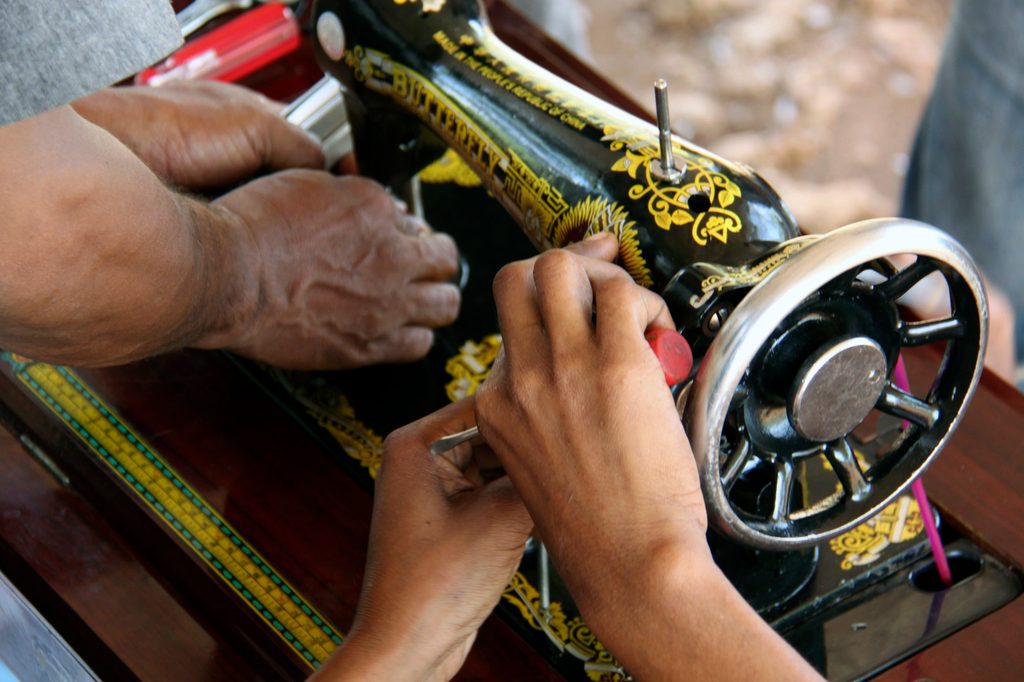
In Timor-Leste, one of the most pressing issues affecting girls and women today is the limited access to employment opportunities for women with disabilities. Through my work on inclusion and disability initiatives in Dili, Ainaro, and Ermera, I have engaged with communities across different social and geographic contexts in Timor-Leste. Dili, the capital city, serves as the country’s political, economic, and administrative centre, where national institutions and international organisations are based. In contrast, Ainaro and Ermera are largely rural municipalities, where many communities face higher levels of poverty, limited infrastructure, and reduced access to essential services such as education, health care, and employment – challenges that are often more severe for persons with disabilities, LGBTQI+ individuals, and other marginalised communities.
The inclusion and disability initiatives I contributed to have been funded by the European Union (EU) and implemented by Plan International Timor-Leste in partnership with the Association of Persons with Disabilities of Timor-Leste (AHDMTL), and Arcoiris Timor-Leste, a civil society organisation that promotes the protection, inclusion, and human rights of LGBTQI+ people in Timor-Leste.
Skills without opportunity
Many women with disabilities in our communities have little or no access to education or vocational training. Even those who have participated in training programmess are often unable to secure formal employment due to inaccessible workplaces, negative perceptions, and employers’ assumptions about productivity. In rural areas, where jobs are already limited, these barriers are even more pronounced. As a result, women with disabilities are trapped in cycles of poverty and economic dependency, unable to contribute fully to their families, communities, and the national economy. Employment is not only about income; it is closely linked to dignity, independence, and social participation. When women with disabilities are excluded from the labour market, they lose decision-making power, face increased vulnerability to discrimination or abuse, and are denied the opportunity to demonstrate their skills and leadership. Communities, in turn, lose the economic and social contributions these women could make.
Making change real
Through this inclusion and diversity project supported by the EU and implemented by Plan International in partnership with AHDMTL and Arcoiris Timor-Leste, we have seen that change is possible. Economic empowerment initiatives such as business development training, Village Savings and Loan Associations (VSLA), access to inclusive credit schemes, and community awareness sessions have enabled women with disabilities to start small businesses, access local markets, and challenge harmful stereotypes. These successes demonstrate that when inclusive policies and targeted support are combined with strong partnerships between international donors and local civil society organisations, women with disabilities can thrive both economically and socially.
Women with disabilities in Timor-Leste do not lack talent, ambition, or dedication – they lack equal access to opportunity.
Livania
From access to impact
However, systemic barriers remain, and broader structural change is needed. The European Union, as a major global development partner, can play a transformative role through its external action. By supporting inclusive employment policies and disability-responsive labour standards The EU can help ensure that national and local employment strategies actively promote opportunities for women with disabilities.
EU investment in accessible workplaces and infrastructure, including reasonable accommodations, assistive technologies, and disability-friendly facilities, can enable women to work effectively and safely. Expanding support for inclusive education and vocational training programmes, particularly in rural areas, would also help women gain the knowledge, skills, and confidence needed to pursue employment or entrepreneurship.
Long-term EU support for civil society and organisations advocating for the rights of people with disabilities is equally important to sustain community dialogues, awareness campaigns, and capacity-building initiatives that challenge stigma and promote inclusion. Additionally, strengthening efforts to collect and monitor disaggregated data on women with disabilities in the labour market would help inform more effective policies, investments, and programmes.
Women with disabilities in Timor-Leste do not lack talent, ambition, or dedication – they lack equal access to opportunity. The EU has the power to transform this reality by investing in inclusive employment, education, and advocacy initiatives that dismantle systemic barriers. Strategic investment and strong partnerships can ensure that women with disabilities participate fully in society, achieve economic independence, and contribute meaningfully to national development.
About the Author
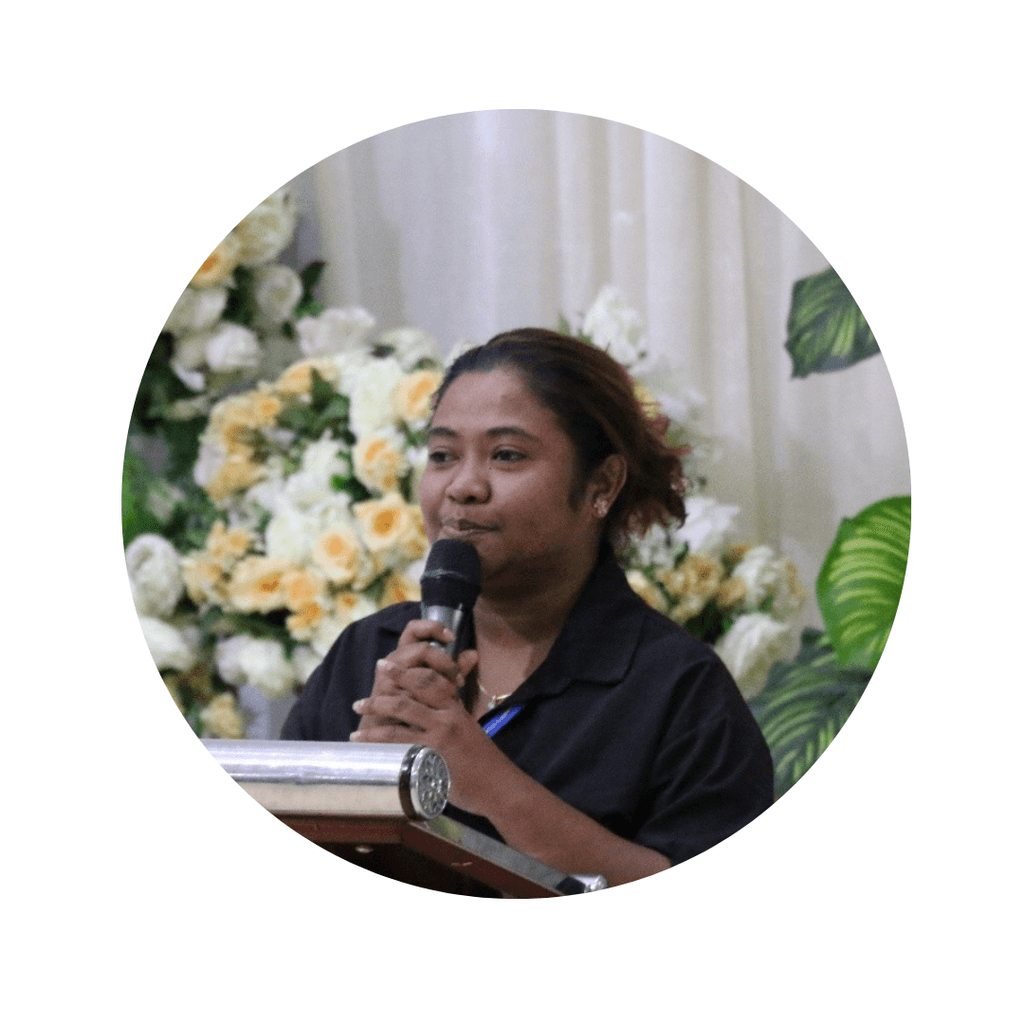
Livania is a dedicated Project Coordinator at Plan International, focusing on Inclusion and Diversity. She is actively involved in several organisations and initiatives supporting students’ development and youth movements. She also contributes to initiatives such as Girls Alliances, focusing on gender equality, climate change, and personal development. In addition, Livania is an active member of the Asia Youth Forum and Future Leaders by ASEAN (FLBA).
Passionate about personal growth and community engagement, she is committed to empowering young people and creating more inclusive spaces.
Related pages
Categories: Skills and work, Youth empowerment