Ethiopia: supporting children on the run
3 February 2026Across Ethiopia, thousands of girls are facing a crisis that threatens their safety, education, and future. Fleeing conflict in South Sudan or displaced by internal conflicts at home, many girls live in refugee camps where conflict and instability make daily life precarious.
Within Ethiopia itself, internal conflicts have displaced more than 2.6 million people. Extreme drought and famine have only made the crisis worse. For girls, the challenges are especially severe. They are more likely to fall behind in school, face sexual violence or exploitation, and lack access to menstrual products and safe sanitation. Social norms often undervalue girls’ education, making it even harder for them to continue learning during times of crisis. Yet, with the right support, these girls can regain control of their lives, stay in school, and thrive despite the hardships around them.
Plan International’s work
With financial support from the European Commission’s Directorate-General for European Civil Protection and Humanitarian Aid Operations (DG ECHO), Plan International works across five regions of Ethiopia: Afar, Amhara, Benishangul-Gumuz, Gambella, and Tigray to protect displaced children and ensure they can go to school. By developing their skills and confidence, children become more resilient to threats such as child labour, sexual exploitation, and early marriage.
Plan International supports all children in refugee camps, including those who have lost their parents or caregivers and children with disabilities. To protect them from violence and neglect, the organisation provides:
- Psychosocial support for children affected by trauma.
- Education programs to help children catch up on lost learning.
- Awareness sessions for parents and social workers on children’s rights and gender equality.
Schools for every child
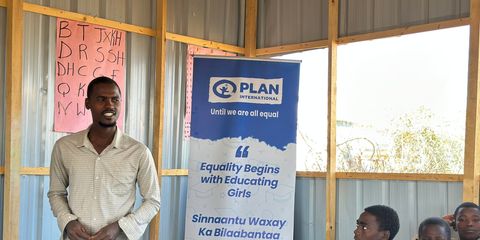
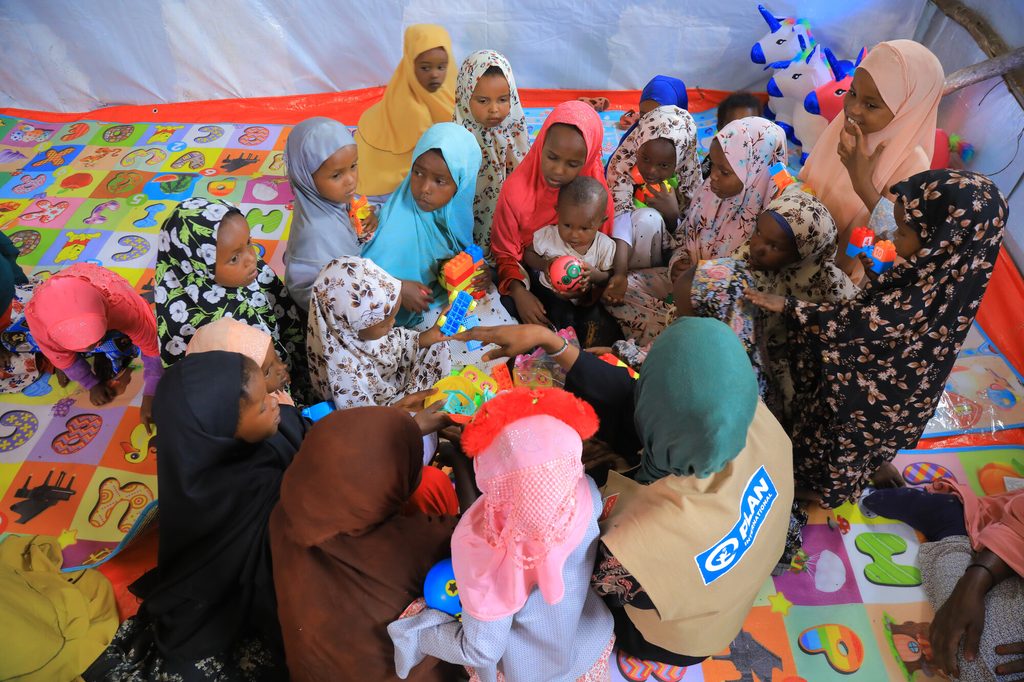
Plan International sets up schools in refugee camps so children can continue learning and rebuilding their lives. Students and teachers receive the educational materials they need, and teachers are supported financially. Teachers are also trained to provide psychosocial support to girls experiencing trauma and to identify when a child may be in danger.
Child-friendly spaces
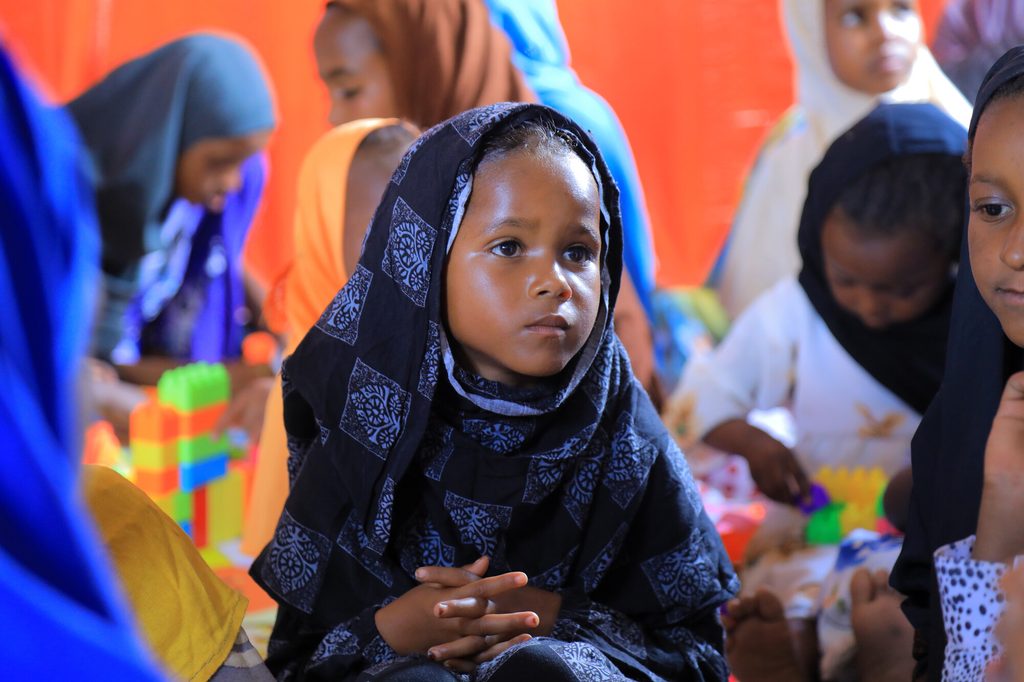
In the camps, children also need places to simply be children. Plan International creates safe, child-friendly spaces where they can play, learn, and grow socially and emotionally. Games, sports, and creative activities help children maintain a sense of normalcy despite the difficult circumstances around them.
Menstrual hygiene and health
Girls in refugee camps face unique challenges. Plan International helps them manage their menstrual health through:
- School clubs that teach about health and hygiene
- Safe sanitation facilities, including separate toilets and handwashing stations
- Reusable menstrual products, which girls learn to make themselves
These initiatives make it easier for girls to attend school, stay healthy, and regain a sense of dignity.
The European Union as a donor
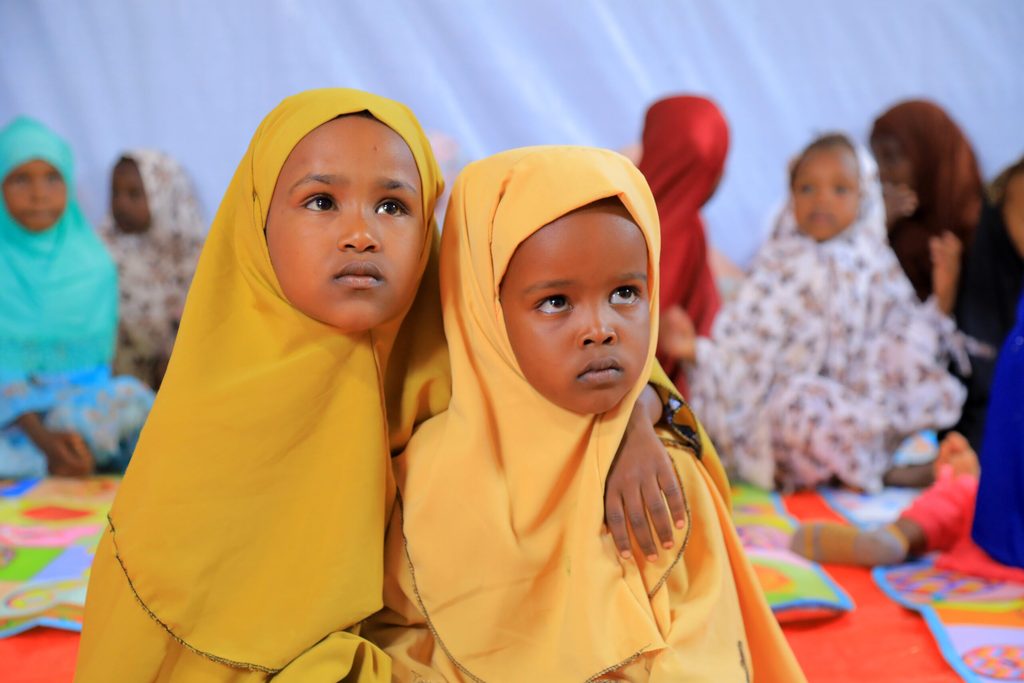
DG ECHO focuses on delivering emergency aid to people affected by disasters and conflicts, both in and outside the EU. As a donor, DG ECHO funds certified organisations like Plan International to carry out emergency relief projects. In Ethiopia, this support allows Plan International to provide education, protection, and essential services to displaced children.
Links & downloads
This case study was originally published on Plan Netherland’s website.
Read more below:
- How Plan International promotes education in the Nguenyyiel refugee camp in Ethiopia (NL)
- Learn more about our health and menstruation projects (NL)
Categories: Early childhood development, Education, Protection from violence
Related pages