Protecting girls’ rights and futures across Ukraine
5 March 2026On International Women’s Day, Plan International reaffirms that girls’ rights cannot be sidelined in times of war, displacement and recovery.
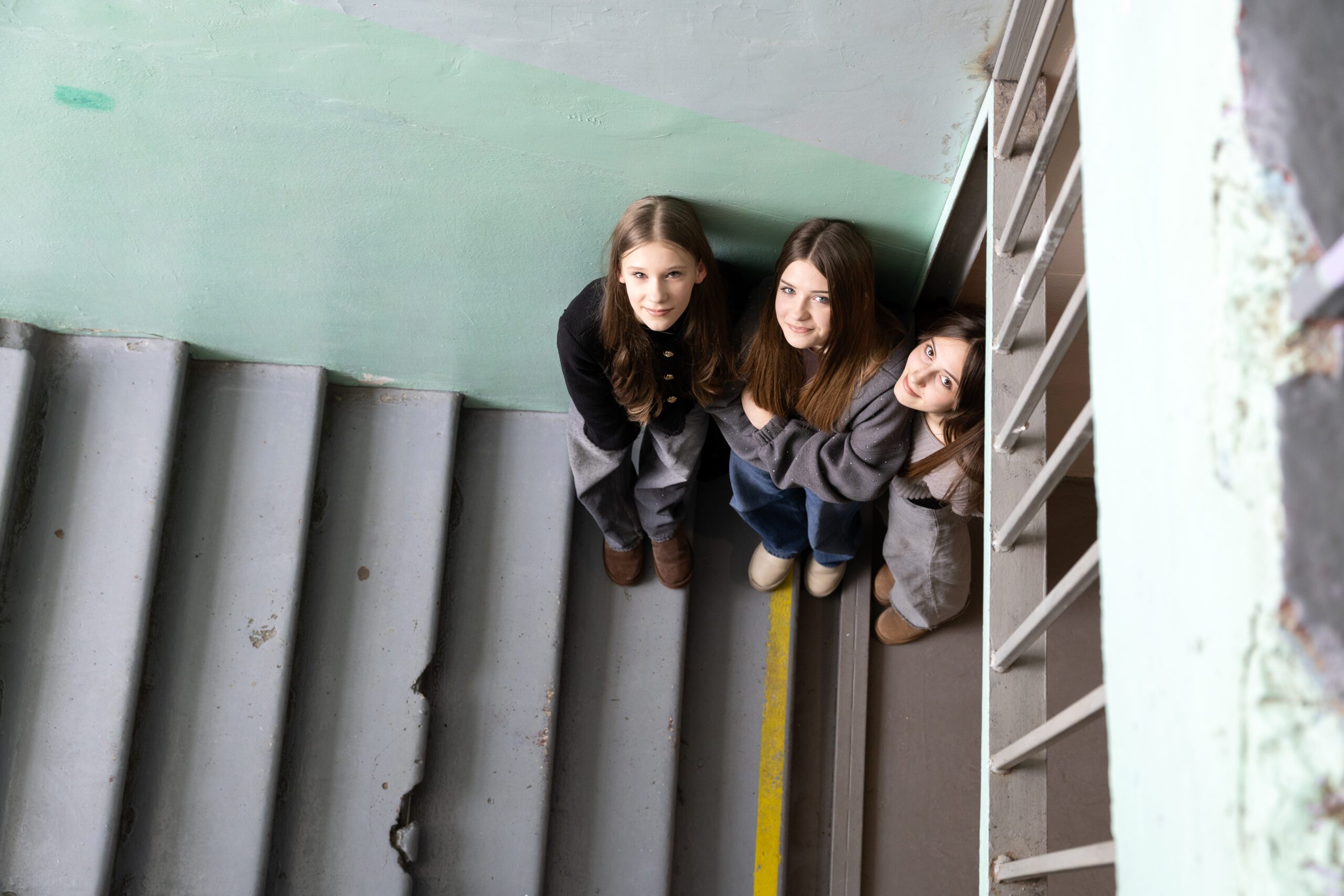
Four years into the war in Ukraine, girls and young women continue to face heightened protection risks, disrupted education, psychological distress and growing economic vulnerability. A protracted crisis deepens gender inequalities and increases exposure to violence, exploitation and exclusion.
Across Ukraine, Poland, Romania and Moldova, Plan International works with local partners to address these risks, placing girls’ safety, wellbeing and agency at the centre of humanitarian response.
Ukraine: Addressing escalating protection and gender-based violence risks
In Ukraine, the prolonged war has intensified risks of gender-based violence (GBV), family separation and psychological trauma among girls and adolescents. Through its Ukraine Crisis Response, Plan International strengthens protection systems and provides safe, confidential support.
This includes Women and Girls Safe Spaces (WGSS) and structured mental health and psychosocial support services for adolescent girls affected by conflict. The response also reinforces gender-based violence prevention and response, including confidential referrals, legal and psychosocial assistance, and strengthened community protection pathways. The “Voices of Girls in Crisis” research initiative further ensures that girls aged 10 to 19 inform humanitarian programming and advocacy.
Poland: Tackling harassment and unsafe public spaces
In Poland, displaced and local girls report feeling unsafe in schools and public spaces where harassment and harmful social norms persist. Through the Safer Cities for Girls initiative, implemented with EduRo – Foundation for Education and Development, Plan International works to prevent harassment and promote safer environments.
The programme combines school-based prevention workshops using tools such as the 5D bystander intervention method, community safety walks during the 16 Days of Activism, and public campaigns such as “Safe Woman of Sosnowiec 2.0” engaging men and boys in shared responsibility.
Romania: Ensuring access to sexual and reproductive health and rights and survivor support
In Romania, refugee girls and young women face barriers to sexual and reproductive health and rights (SRHR) services, psychosocial care and protection. Plan International prioritises survivor-centred support and access to essential services.
This includes adolescent-friendly safe spaces providing SRHR information and services, trauma-informed psychosocial support for girls and caregivers affected by displacement and strengthened gender-based violence prevention and response systems, including counselling and referral mechanisms.
Moldova: Reducing vulnerability through protection and economic support
In Moldova, displacement has increased economic pressure on families, heightening risks of exploitation, school dropout and child protection concerns. Plan International and partners focus on reducing vulnerability and reinforcing protection systems.
Interventions include community safe spaces and psychosocial support for refugee girls, cash assistance programmes that reduce protection risks, and strengthened child protection case management and referral mechanisms.
International Women’s Day reminds us that protecting girls is essential to sustainable recovery. Investing in protection, education, mental health and gender equality today builds safer and more equal societies tomorrow.
Categories: Emergencies
Related pages