Married off at 16 and left with 9 children, Edwina finds power in savings groups and fights for her daughters’ education.
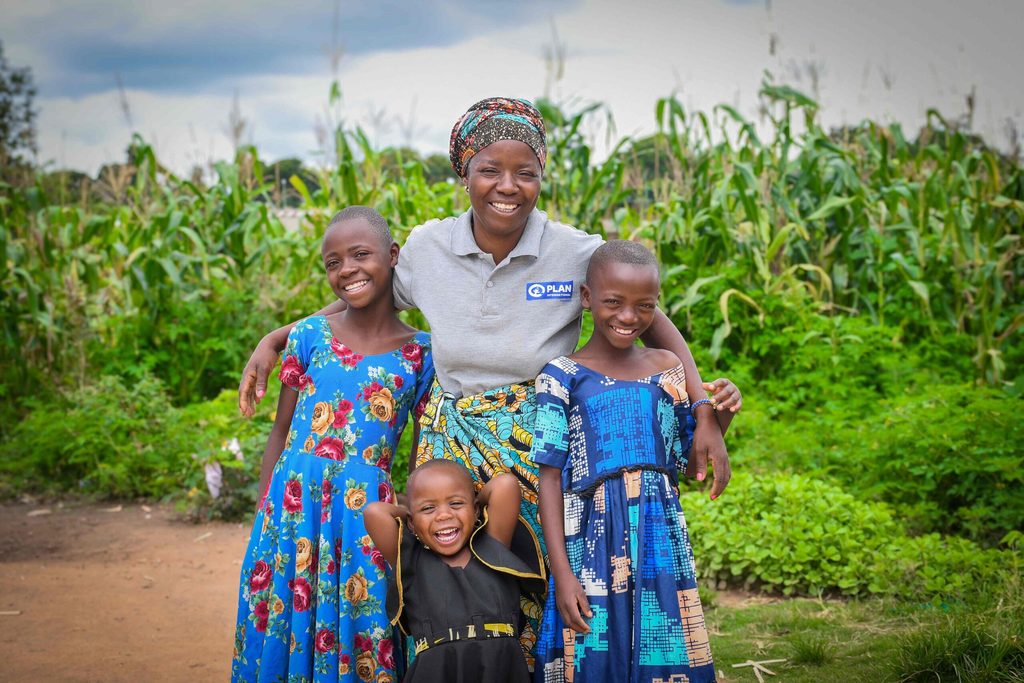
When Edwina was 16, she got married hoping life would get better. She grew up in a small village in Rukwa where food was not always enough, and girls were not given many choices. Her family thought marriage would keep her safe, but the life she met was not the one she expected.
“At the time, no one told us about school or having dreams. You grow up, you got married, and that’s it.”
Edwina
“When my mother told me that a man had offered a dowry of 1 cow and a small plot of land, I thought I was going to have a better life,” Edwina recalls. “At the time, no one told us about school or having dreams. You grow up, you got married, and that’s it.”
However, the reality was very different. Her significantly older husband expected her to focus solely on household duties and childcare, and refused to let her study or work.
“I was just a girl back then, and in my mind marriage was the only way. I thought I’d be cared for after I got married, but it was completely different.” she adds.
Over time, the relationship became violent and isolating. “I didn’t expect the beatings or the humiliation. I couldn’t see a way out,” Edwina admits. “Before I knew it, I was a mother to 8 children, pregnant with my ninth, and completely alone when he left 3 years ago.”
In Tanzania, 29% of girls marry or enter into a union before the age of 18, with 5% being married before the age of 15. Child marriage is driven by gender inequality and the belief that girls are inferior to boys. The practice is exacerbated by poverty, harmful social norms and teenage pregnancy. Without many opportunities to earn an income, girls often see marriage as their only option.
Raising children alone and holding on to hope
“I had nothing but my children. No money, no plan. Just them asking, ‘What will we eat?’ Some mornings, I didn’t want to wake up; I didn’t know what I would feed my children.”
Edwina
After her husband left, 5 of Edwina’s children went to live with their grandmother, leaving Edwina to raise her 4 youngest daughters alone. “I had nothing but my children. No money, no plan. Just them asking, ‘What will we eat?’ Some mornings, I didn’t want to wake up; I didn’t know what I would feed my children.”
To earn an income, she started selling vegetables by the roadside, but providing for her children’s basic needs often meant having to make difficult choices. “Most days, I could only afford food, not books or uniforms. I had to choose between eating and sending my children to school. Most of the time, we ate,” she explains. “Telling my children that they couldn’t go to school was not easy.”
Across Tanzania, 3.2 million children and young people aged 7–17 are not in education, with poverty being the main obstacle. Children from the poorest households are 3 times more likely to drop out due to the costs of school fees, uniforms and food. In rural areas, girls are disproportionately affected, experiencing higher dropout rates from the age of 12 due to inadequate water, sanitation and hygiene facilities, menstruation and child marriage.
Finding strength through savings
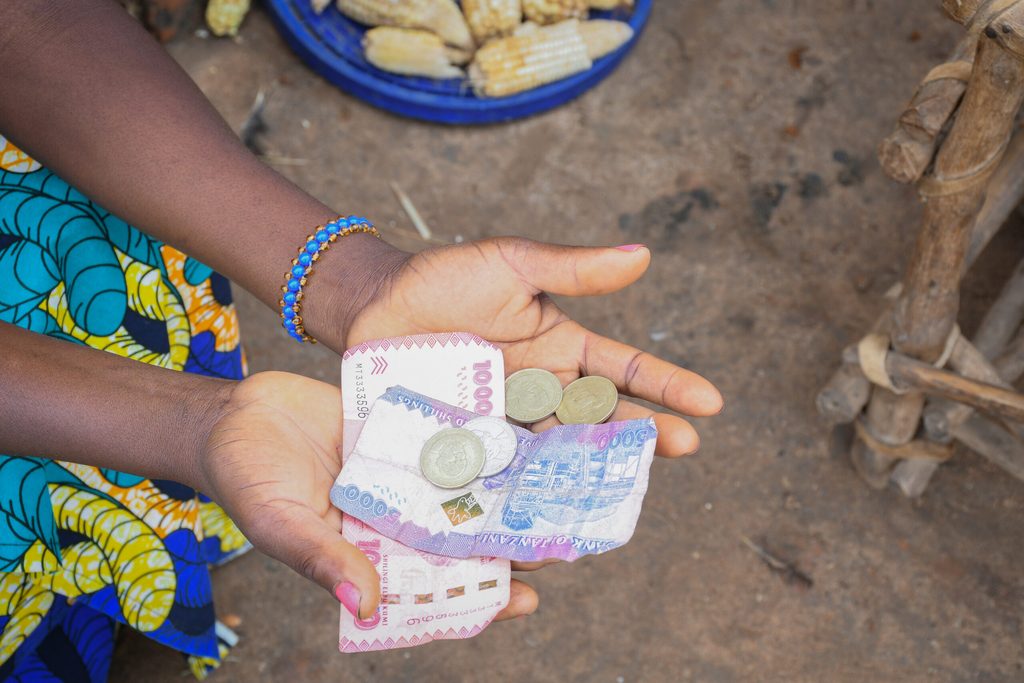
In 2022, Edwina heard that a savings group supported by Plan International was being formed in her village. Although she was initially uncertain, she decided to join. “I was afraid of saving because I could barely afford 2 meals a day, so I didn’t think it would help me,” she explains. “At that first meeting, I just sat quietly. I didn’t speak.”
“I learned how to save, budget and plan for my children’s future for the first time. I started a small business selling maize, and now I can provide for my family.”
Edwina
Today, 40-year-old Edwina is part of a network of over 230 savings groups across Rukwa that empower women by providing them with new skills and financial knowledge. Through training provided by Plan International and our local partner Small Industries Development Organisation (SIDO), group members learn about budgeting, entrepreneurship, parenting skills and preventing gender-based violence.
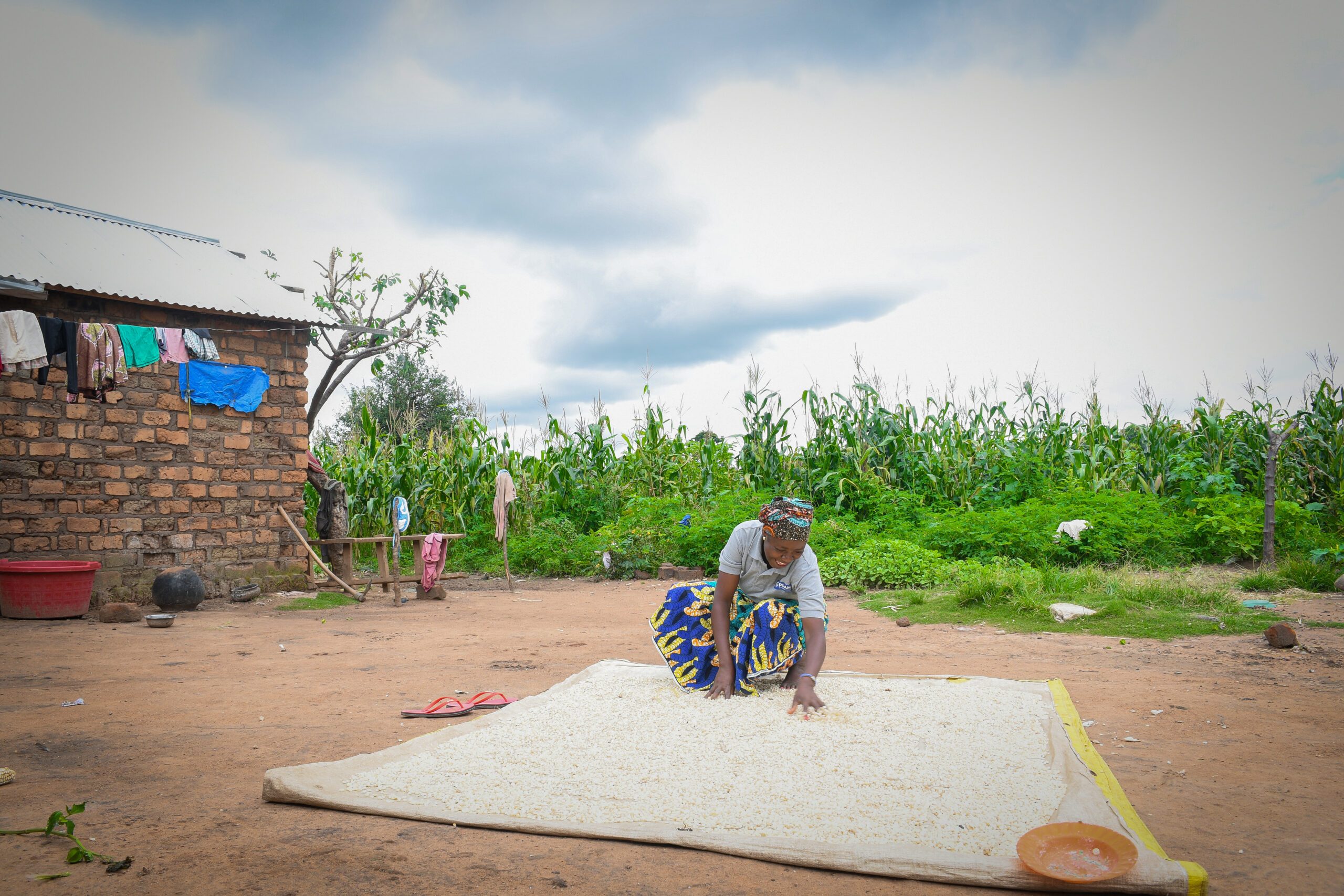
“I learned how to save, budget and plan for my children’s future for the first time. I started a small business selling maize, and now I can provide for my family,” shares Edwina.
Building a future her children deserve
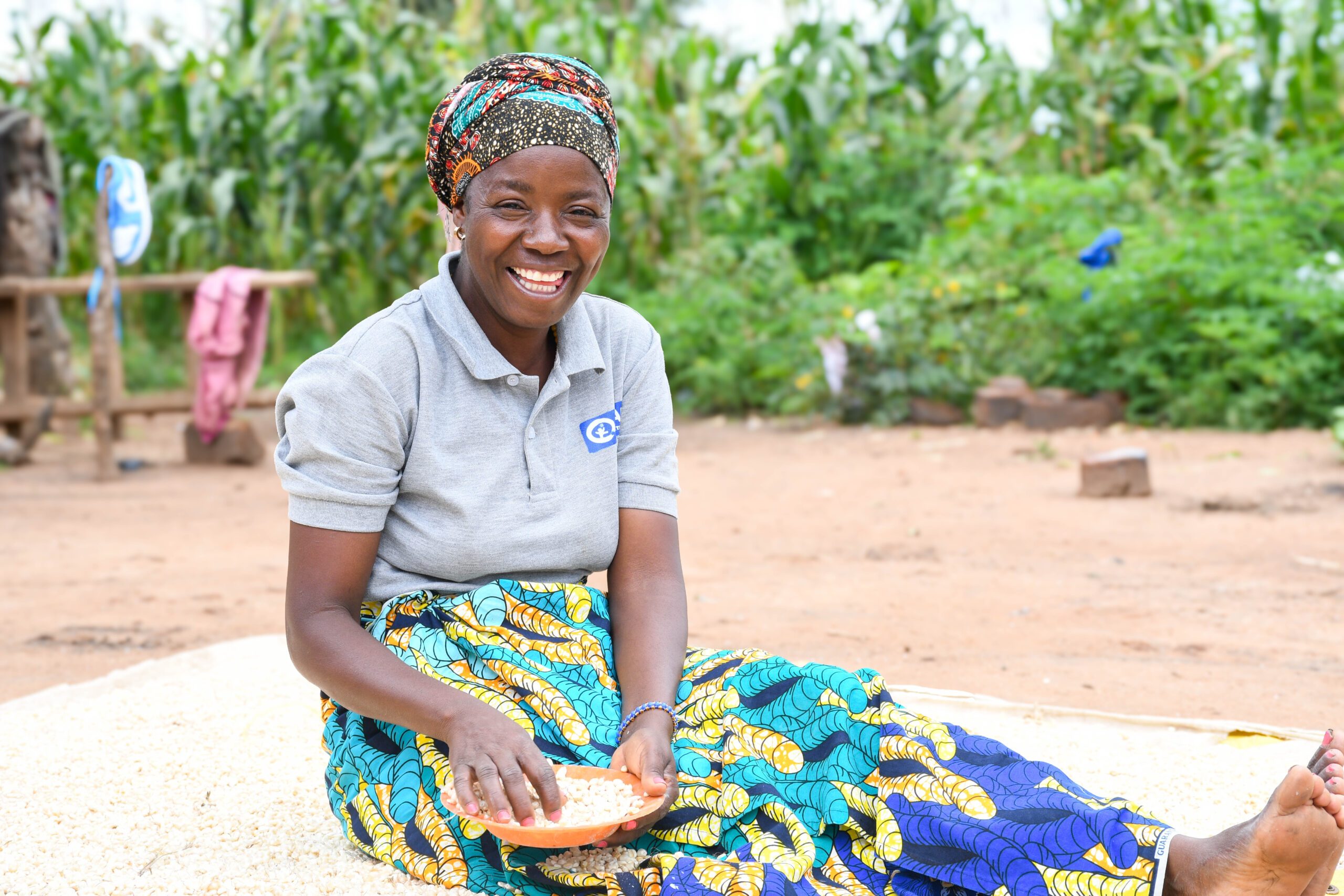
Now, Edwina has expanded her business. She now farms 10 acres of land and raises poultry. Her monthly income has grown to between 400,000 and 700,000 Tanzanian shillings (approximately USD 149–261), enabling her to provide her children with a stable life. “Now people come to me for advice,” she says with a smile. “I’ve gone from begging to being someone others listen to.”
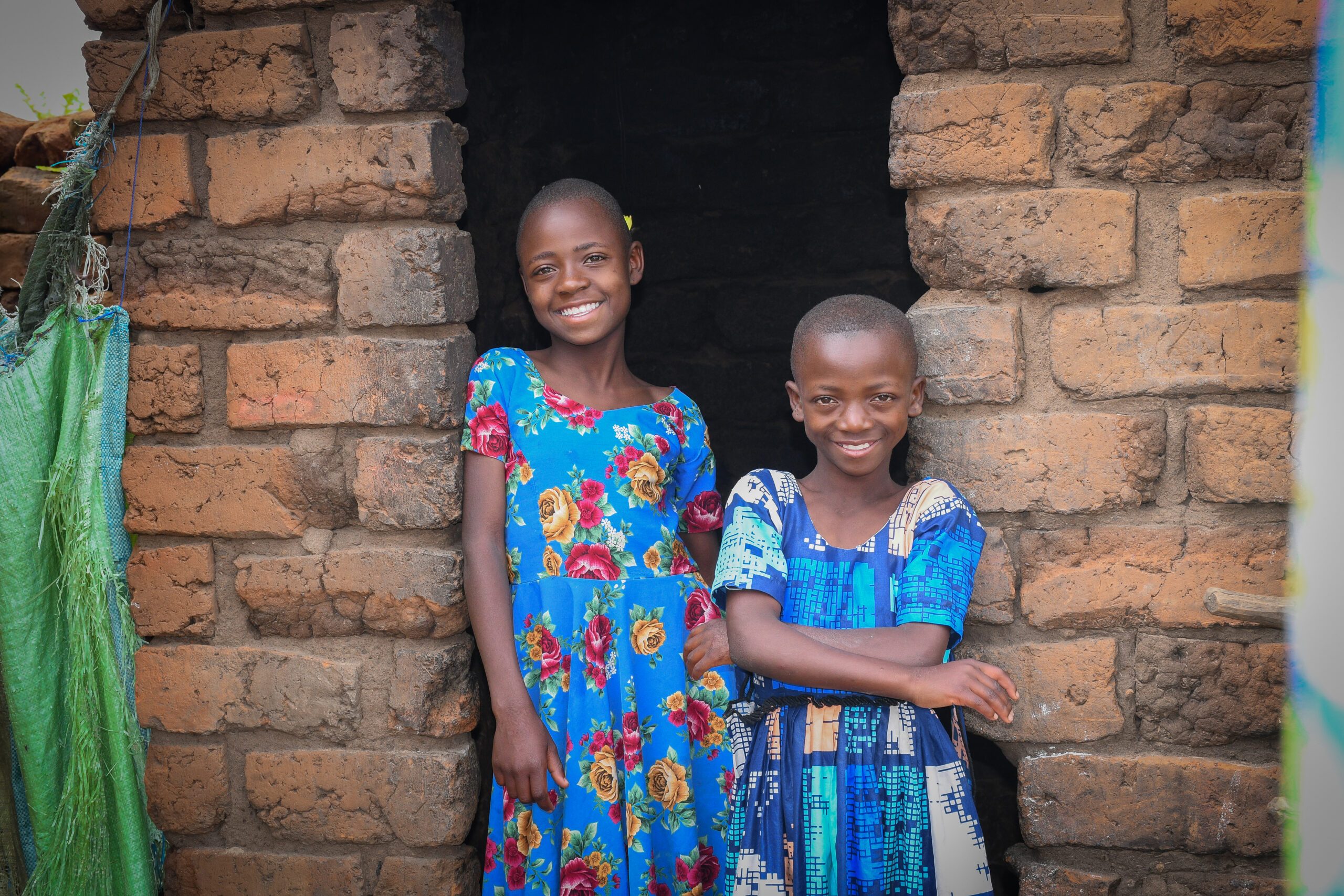
Most importantly of all, her daughters have returned to school, including 12-year-old Asha, who dreams of becoming a nurse. “I love school. I want to help people when I grow up. Mama tells me that nothing can stop me now,” Asha says proudly.
Edwina explains that her past experience motivates her to keep going. “I may have missed my chance of an education, but I won’t let poverty take that away from my children,” she says. “I used to think I was just a woman with too many children and no source of income. Now, I see myself as a businesswoman, a farmer and a mother who provides.”
Related pages