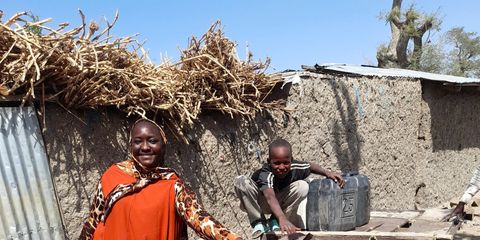
In Karsuwa community, Yobe State, 55-year-old Rabi has lived with flooding for decades. Each year, rising waters threaten homes, farmland and livelihoods, but the floods of 2024 were the most destructive the community had ever experienced.
The water rose suddenly during the night. As a result, families had little time to prepare. Homes collapsed, farmland was destroyed and many people lost their sources of income. The disaster revealed a critical gap in preparedness and early warning.
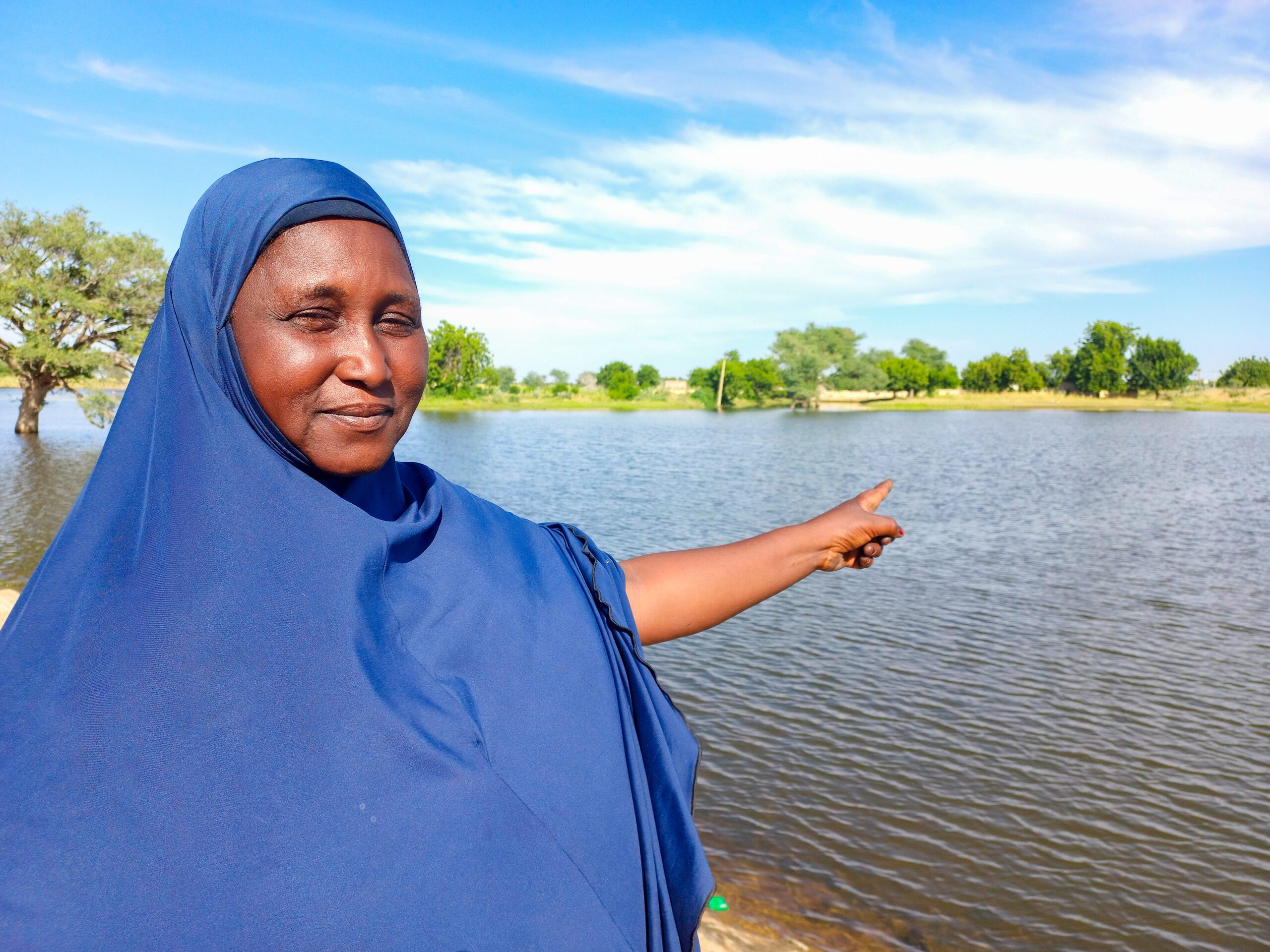
From crisis to community flood preparedness
For many years, Rabi’s community relied on traditional knowledge to anticipate flooding. However, changing climate patterns made these warning signs unreliable. Without a formal early warning system, families remained exposed to repeated risks.
In 2025, Rabi, as a respected women’s leader and head of household took part in Plan International’s community resilience and anticipatory action training. Through the training, community members learned how early warnings, clear roles and advance planning can reduce the impact of floods.
Afterward, Rabi joined the Early Warning Committee and began mobilising women and families. She encouraged households to clear drainage systems, monitor alerts and plan ahead for emergencies. Gradually, preparedness became a shared responsibility.
“I have learnt that we cannot be resilient without working together. If I want to see resilience in my community, I have to be committed,” Rabi shared.
Communities acting together
In response to repeated flooding, the community worked with local authorities to build a temporary embankment using sandbags. Women, men, girls and boys contributed their time and labour. Together, they diverted floodwater away from homes, farmland and shared spaces.
The results appeared quickly. Floodwater no longer entered areas that previously collected stagnant water. Consequently, damage to homes reduced and health risks such as mosquito breeding declined. More importantly, the effort strengthened trust and cooperation within the community.
“I have learnt that we cannot be resilient without working together.
Rabi
If I want to see resilience in my community, I have to be committed.”
Today, Rabi continues to encourage women to take part in preparedness activities. She also shares her knowledge with others. As a result, more households now take early action and discuss flood prevention openly.
Although flooding remains a serious threat, Rabi’s leadership is driving change. With continued support from Plan International and government partners, her community is better prepared to protect lives and livelihoods before floods strike.
Related pages