Cholera takes entire families in Cameroon
Grace, a mother of two fatal cholera victims
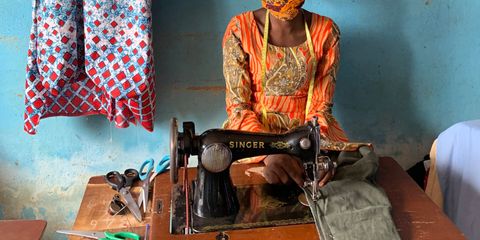
In the fight against cholera in Cameroon, women and young mothers pay a heavy price. This is the story of Grace.
From a distance, she appears normal and happy especially with a smile serenely on her face. But the smile is just a mask she hides behind. Twenty-three year old Grace grieves silently for the loss of her children, all victims of cholera.
“I was awakened early one morning by the sound of my 5 year old boy seriously vomiting. I rushed him to the Nchoho health centre but, it was too late.’’
Despite all the efforts of the health personnel, in the under-resourced centre, the boy died. Still reeling from her son’s death, Grace’s 2 year old daughter fell sick the following day.
Moving quickly through communities
Cholera is highly contagious and when a case is reported, it is common practice to quarantine all family members in contact with the patient. It can quickly infect a household, moving swiftly to taint entire villages.
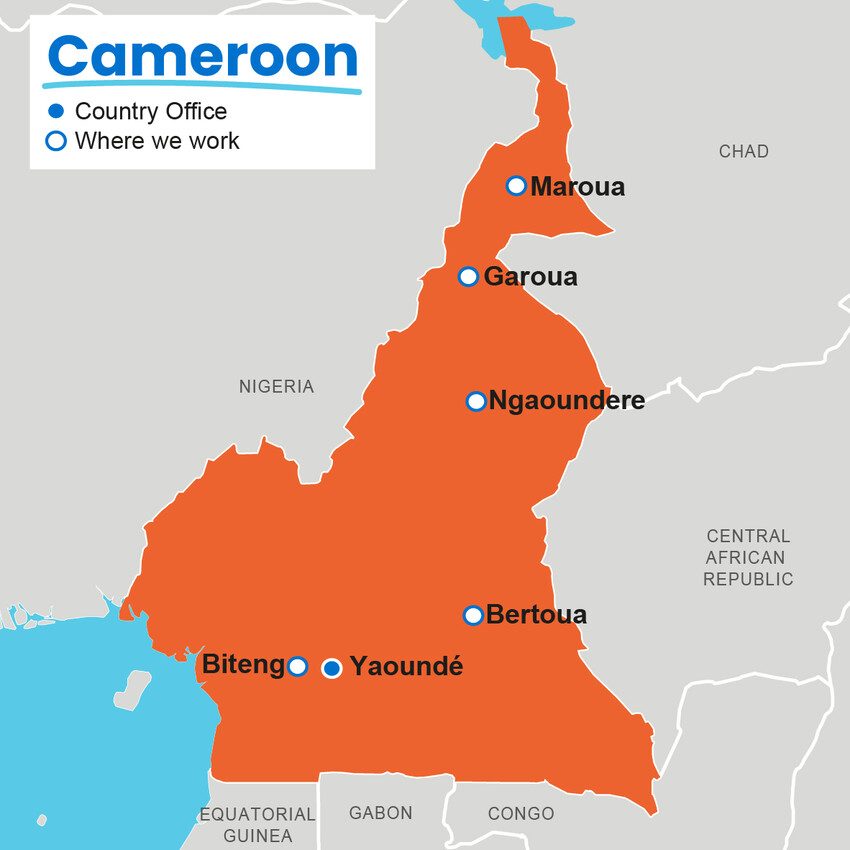
Since the outbreak began in March, Plan has been working to educate communities on the simple, yet highly effective measures that can reduce the infection rate of cholera. Plan’s activities include:
• Community awareness raising demonstrations: good hygiene practices and how to treat water
• Distribution of essential antibiotics such as Doxycycline and 33,000 ORS to 18 health districts
• Support disinfection of infected premises
• Support the identification of suspected cases and referral for treament
• Construction sample latrines
• Production of cholera cots for some health units
• Support with hand washing facilities in households
Children frequent victims of cholera
Cholera patients are treated with a drip of glucose solution, known as “Ringer Lactate” to rehydrate their bodies. This is combined with a course of antibiotics and often repeated over the course of several days until the patient is stabilised.
With her daughter in the clinic for treatment, Grace, then eight months pregnant, also began showing symptoms and was hospitalised. She was treated with more than 100 drips and antibiotics, which saved her life. However, during this time, she miscarried and her daughter died.
Grace blames cholera on unclean water from the local Mezam river which passes through her community. It serves as the main water point for crop irrigation, household chores and drinking. She recognises the risk to her health and takes basic precautions. However, grief still overwhelms her.
“The sadness is almost unbearable in burying one child, but three is unfair. At my young age, it is simply unfair’’, she murmured.