Launching new country strategy to empower girls
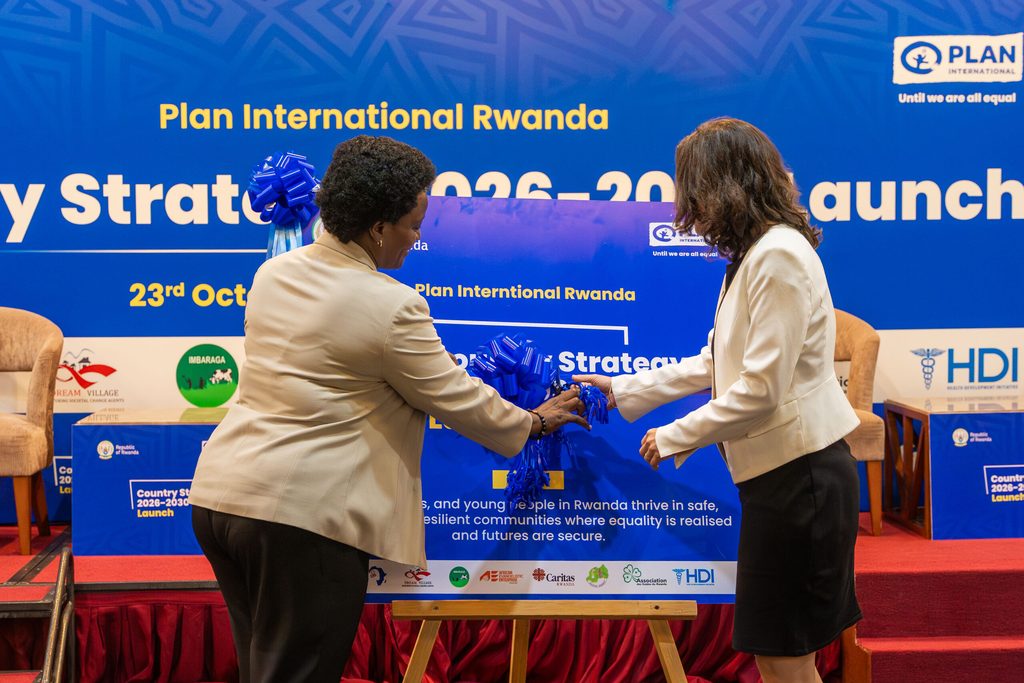
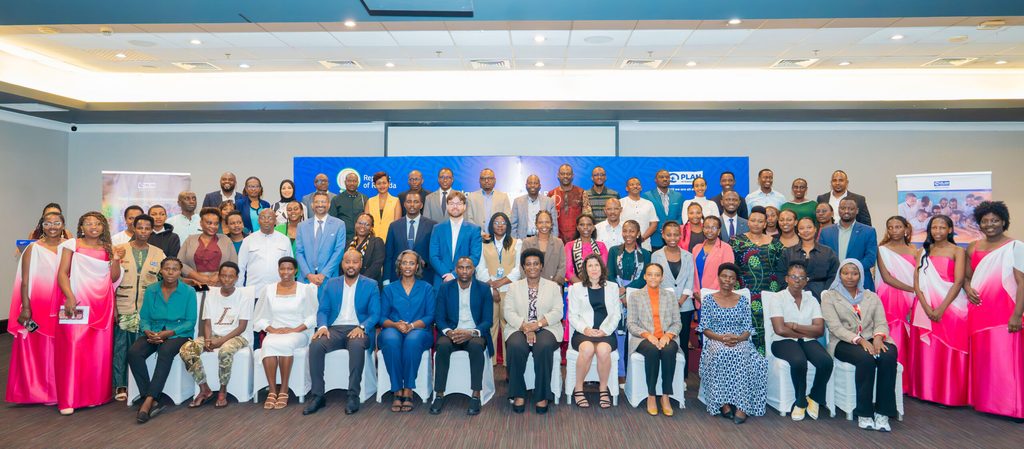
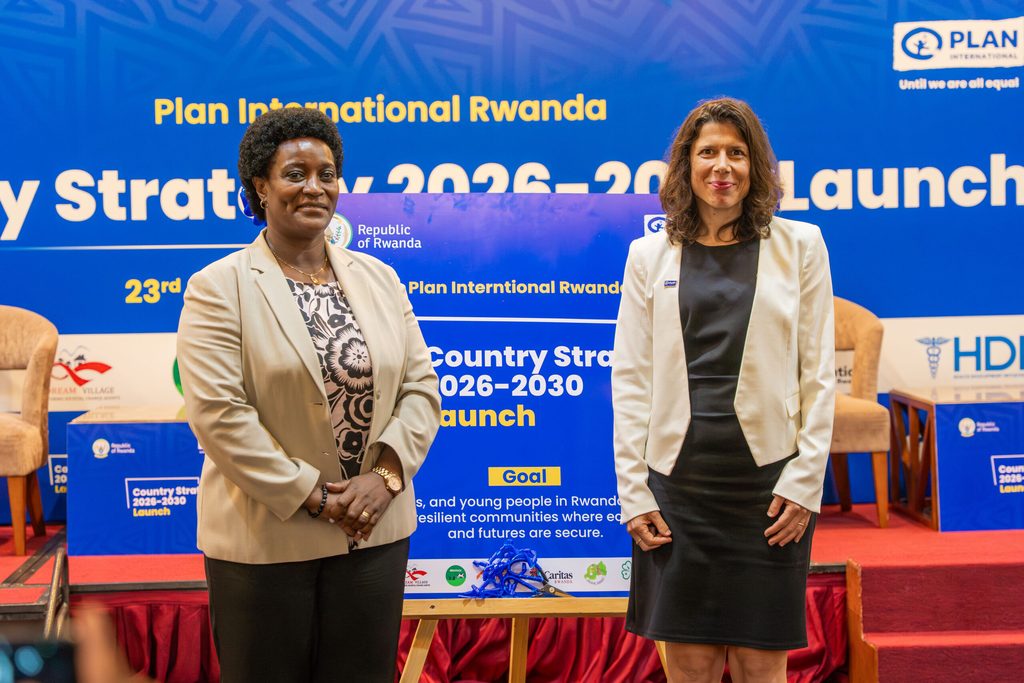
15 December 2025In a strategic move to deepen its impact, Plan International Rwanda officially launched its Country Strategy for 2026–2030 on October 23, 2025.
This new chapter reaffirms the organisation’s commitment to stand up for children’s rights, striving for change so that girls are treated equally, give young people the power to shape their future, and build communities where everyone belongs, working at the centre with local partners.
Addressing Rwanda’s context, 67% of people are young but many face different tough challenges. More than 27.4% live in poverty, over 50% of children experience violence, and only 28% get early learning support. 20.5% of young people cannot find jobs, and climate change harms more than 18,000 families every year.
Anchored in Plan International’s global ambition to create a just world that advances children’s rights and equality for girls, the strategy aligns closely with Rwanda’s National Strategy for Transformation (NST2) and Vision 2050.
The Country Strategy’s strategic goal is to ensure that children, girls, and young people in Rwanda thrive in safe, inclusive, and resilient communities where equality is realised and futures are secure.
Reaching over 1.4 million Lives
Over the next 5 years, Plan International Rwanda aims to reach 1,200,000 programme participants, including 750,000 females and 450,000 males, across its core operational districts of Bugesera, Gatsibo, and Nyaruguru. This outreach will also extend through humanitarian operations in refugee camps such as Mugombwa, Kigeme, Kiziba, Nyabiheke, Mahama, and Nkamira, as well as in Nyarushishi and Kijote Reception Centres and the Nkamira Transit Centre. In addition, operations will expand to 10 districts, Huye, Karongi, Kicukiro, Nyarugenge, Kirehe, Ngoma, Rulindo, Rusizi, Rwamagana, and Nyaruguru – through a partner-led approach.
The strategy has two main programmes: Skills, Employability, Wellness, and Resilience for Youth and Families, focuses on helping young people to create jobs, sharpen their entrepreneurship skills, start their own businesses. It also contributes to enabling young people to cope with challenging situations in their communities and refugee camps, enhance their livelihoods, and make informed decisions about their bodies through comprehensive sexuality education. Foundations for Safe and Brighter Futures, focuses on protecting children and young people from violence, and strengthens early childhood development (ECD) as well as community-based child protection and SRHR systems.
These programmes are underpinned by 5 cross-cutting themes: gender equality and inclusion; feminist leadership and youth engagement; climate resilience with digital innovation, influencing and advocacy, and partnerships.
Strengthening local partnerships for Change
Plan International Rwanda’s Country Strategy (2026–2030) will be implemented in collaboration with eight local organisations: Dream Village Organisation, Imbaraga, Caritas Rwanda, Bamporeze, Association des Guides du Rwanda (AGR), Health Development Initiative (HDI), Learn Work Develop (LWD), and African Evangelistic Enterprise (AEE) Rwanda.
“Building on the collective achievements and lessons learned over the past 5 years, our new Country Strategy continues the journey, demanding collective effort and shared purpose with our partners, donors, communities, children, girls, and youth.”
Emilie Fernandes, Country Director of Plan International Rwanda
“Building on the collective achievements and lessons learned over the past 5 years, our new Country Strategy continues the journey, demanding collective effort and shared purpose with our partners, donors, communities, children, girls, and youth,” said Emilie Fernandes, Country Director of Plan International Rwanda.
“Plan International Rwanda is forward-looking, placing children, girls, youth, and families at the centre of its work. I also commend its support for local partners, local ownership and sustainability are values that Rwanda deeply values as part of its transformation journey.”
Consolée Uwimana, Minister of Gender and Family Promotion (MIGEPROF)
In her remarks, Consolée Uwimana, the Minister of Gender and Family Promotion (MIGEPROF) emphasised the importance of strengthening partnerships to drive transformative change and support the government’s national development agenda.
“Plan International Rwanda is forward-looking, placing children, girls, youth, and families at the centre of its work. I also commend its support for local partners, local ownership and sustainability are values that Rwanda deeply values as part of its transformation journey,” she said.
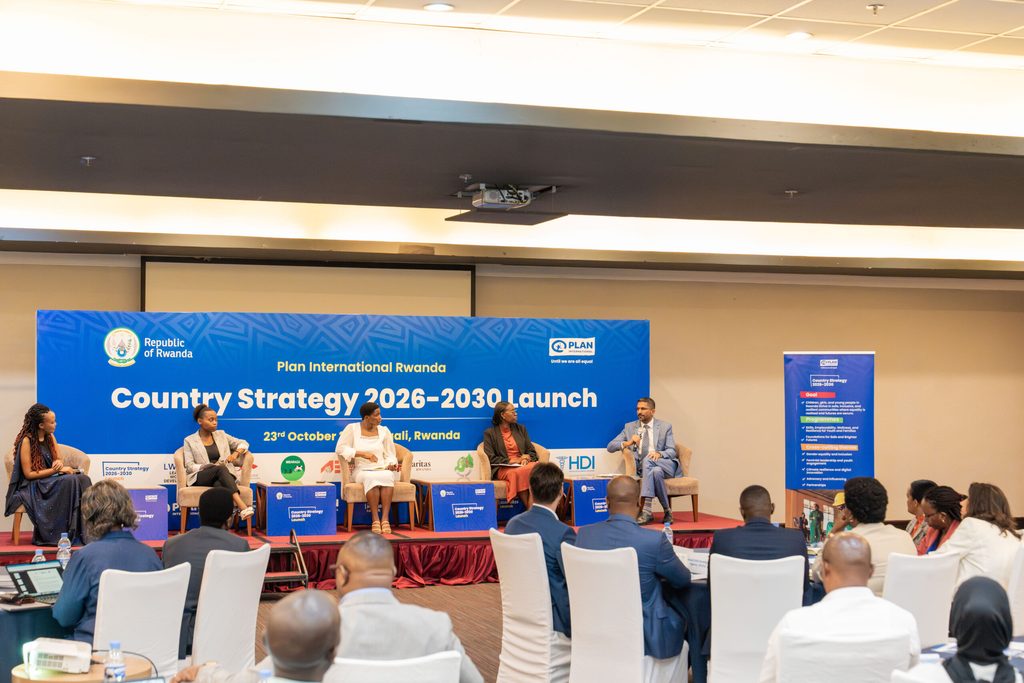
To mark the launch, a panel discussion was held under the theme “Partnering for Change Towards Transformative Livelihoods of Children, Girls and Young People.” Local partners and youth representatives shared their perspectives on the strategy’s potential impact.
“Partnerships with local organisations will strengthen livelihoods and drive meaningful change in communities. This strategy reflects our shared commitment to inclusive, locally led development,” said Pudentienne Kamabonwa, Executive Director of the Association des Guides du Rwanda.
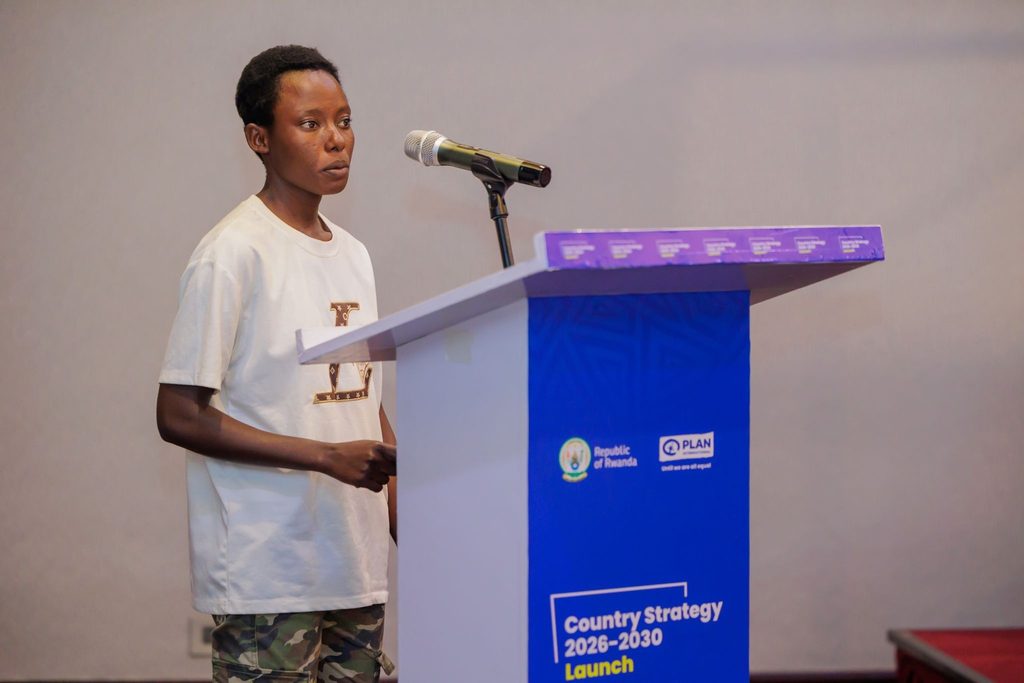
“I’m pleased to see the strategy giving young people a platform to shape their futures. It’s about trust, trusting youth to lead, innovate, and create solutions to the challenges we face,” added Ange Umutoni, a member of Plan International Rwanda’s Youth Advisory Panel.
Reflecting on the 2020–2025 Strategy
Under the outgoing Country Strategy (2020–2025), Plan International Rwanda reached over 770,000 programme participants, including approximately 467,000 girls and young women, with significant impact.
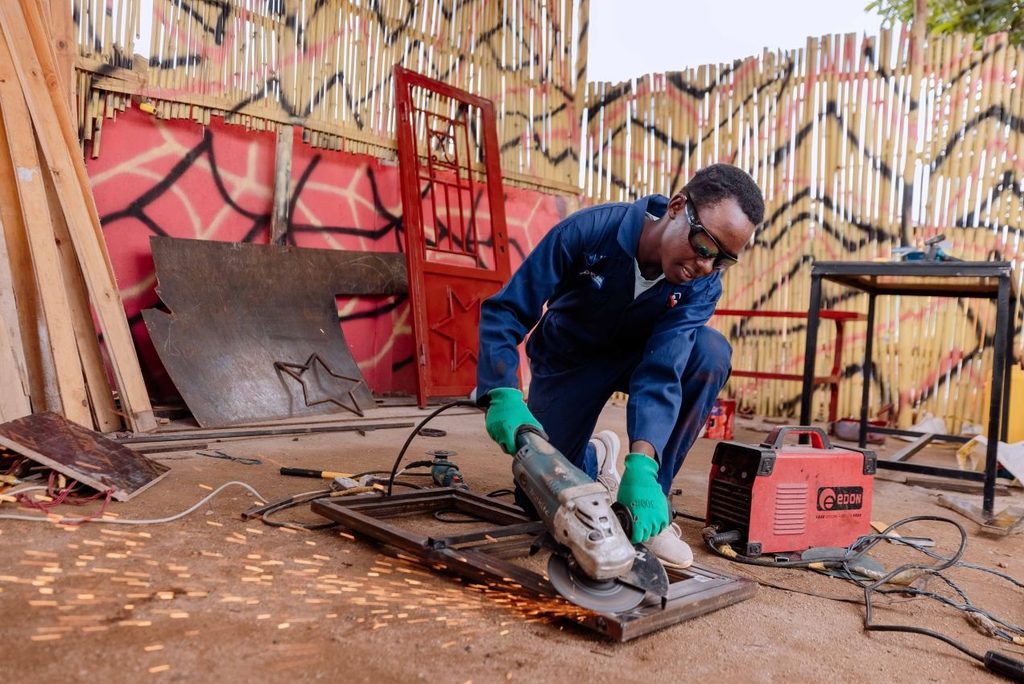
Many participants reported transformative changes in their lives. Yassin, a 22-year-old woman trained in vocational skills such as welding and electrical work, shared her journey:
“I’m now skilled in making doors, tables, and other essential items. Seeing the final product and knowing I made it myself is incredibly empowering. I’m grateful for this opportunity to shape my future and support my family.”
Since its establishment in 2007, Plan International Rwanda has been a catalyst for community empowerment through strong, local partnerships.

Related pages