For Kevine, Leah, Simon Pierre and Shemsa, participating in the UCI World Road Championships, a global cycling event in Rwanda, was far more than a sporting occasion. It was a gateway to inspiration, learning, and the realisation of dreams.
This historic edition marked the first time the week-long global tournament was hosted in Africa, taking place in Kigali City from 21 to 28 September 2025. The event concluded with Tadej Pogačar of Slovenia winning the men’s elite road race, while Magdeleine Vallieres of Canada claimed victory in the women’s elite road race.
Among the many participants was the Bike for Future team, comprising 40 passionate young cyclists, 35 girls and 5 boys, alongside 4 skilled bicycle mechanics. They took part in the “Kigali Social Ride”, a 15-kilometre circuit that brought together over 700 riders across Kigali City.
Inspired by the world’s best
Kevine, 17, described the experience as life-changing. It was her first time attending such a major cycling event, and it reshaped her outlook.
“Seeing so many professional riders from around the world filled me with energy. It made me realise that cycling is a powerful sport that brings people together. The atmosphere boosted my confidence. It was exciting and unforgettable.”
Kevine, 17
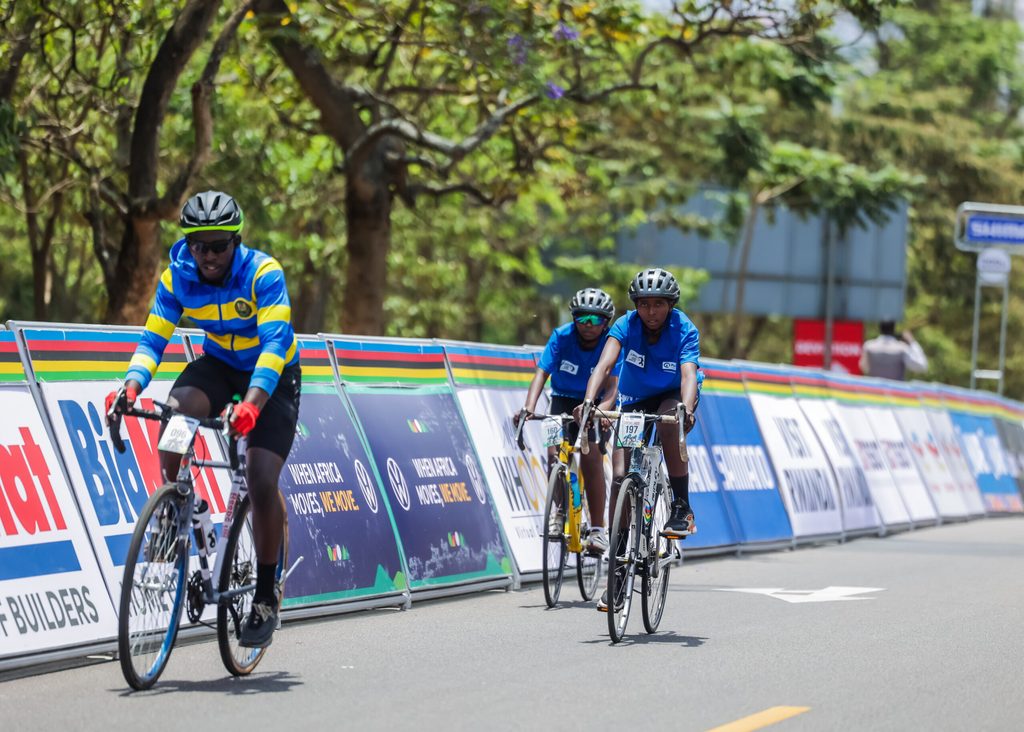
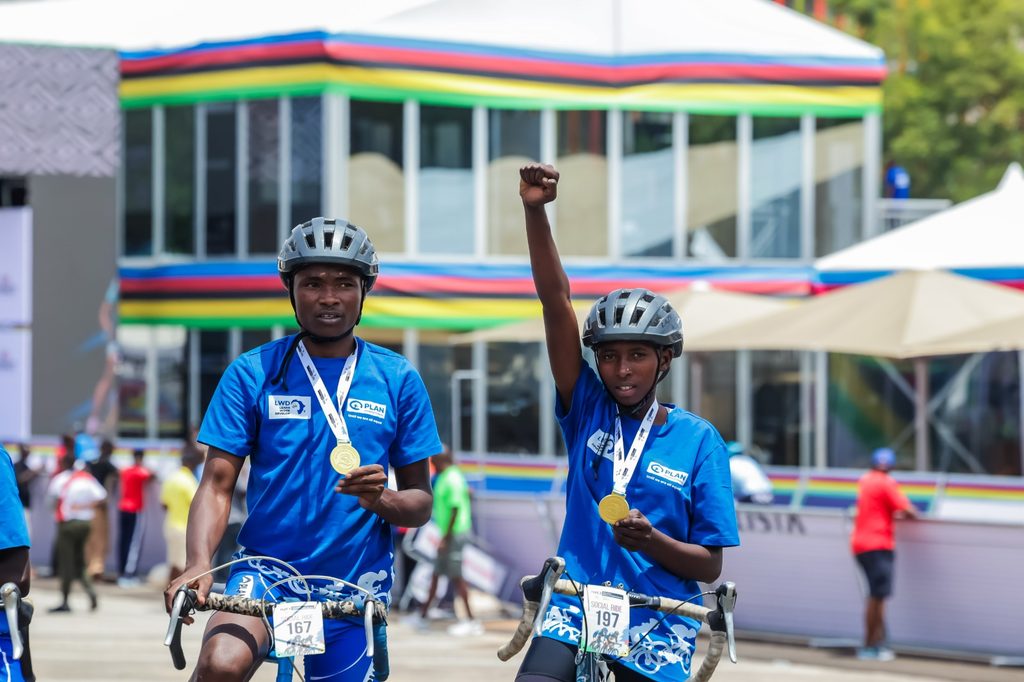
“Seeing so many professional riders from around the world filled me with energy. It made me realise that cycling is a powerful sport that brings people together. The atmosphere boosted my confidence. It was exciting and unforgettable for me,” Kevine said.
Leah, 18, shared how the event sparked a new ambition within her.
“Watching world-class cyclists compete in my own country felt surreal. I could almost see myself wearing the national jersey, representing Rwanda on the global stage. I told myself I have to work harder to get there. I imagined what it would feel like to be part of an international competition.”
Leah, 18
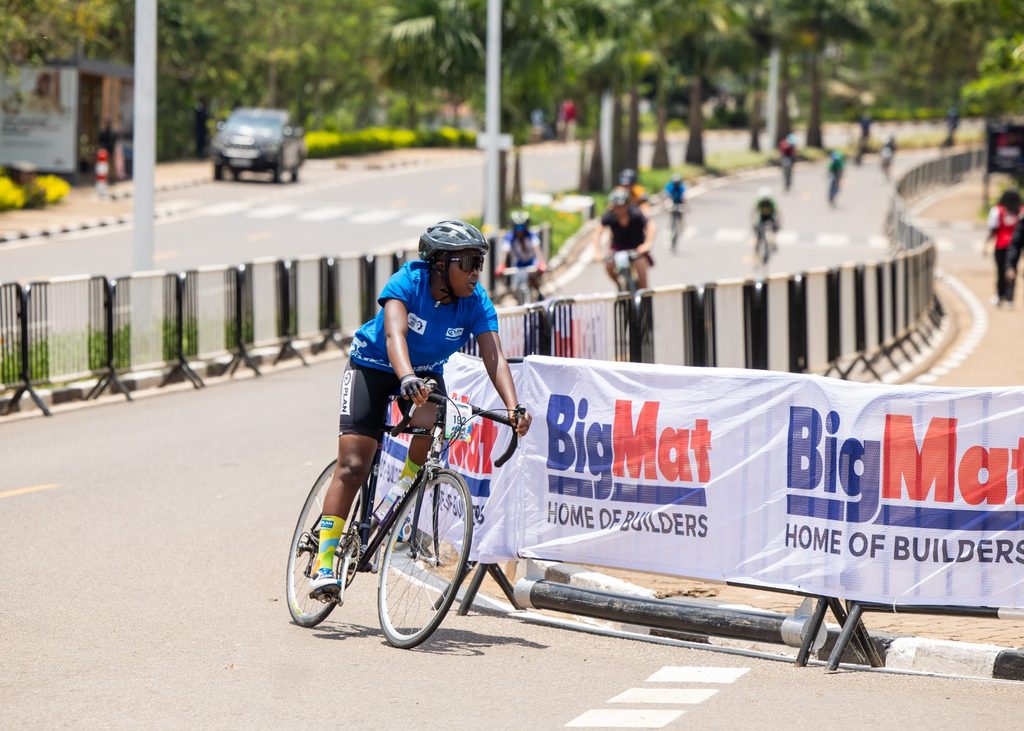
“Watching world-class cyclists compete in my own country felt surreal. I could almost see myself wearing the national jersey, representing Rwanda on the global stage. I told myself I have to work harder to get there. I imagined what it would feel like to be part of an international competition.”
For Simon Pierre, 15, the experience was deeply educational and motivating.
“Joining the social ride wasn’t just fun. It felt like being part of something much bigger. After the ride, I paid close attention to how professional cyclists competed and worked as teams. It inspired me to put more effort into my own training.”
Simon Pierre, 15
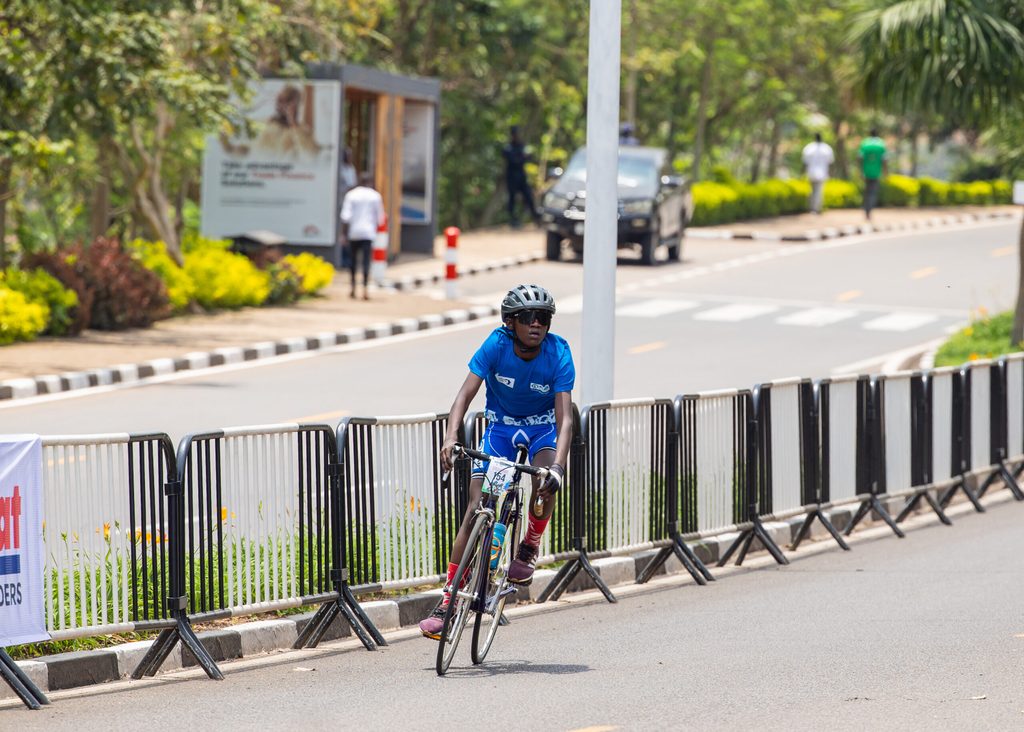
“Joining the social ride wasn’t just fun. It felt like being part of something much bigger. After the ride, I paid close attention to how professional cyclists competed and worked as teams. It inspired me to put more effort into my own training,” Simon Pierre reflected.
Behind the scenes: Mechanics making the ride safe
While the riders were in the spotlight, young mechanics like Shemsa, 22, played a crucial role in ensuring the event ran smoothly. She was proud to apply her newly acquired skills in a field often dominated by men.
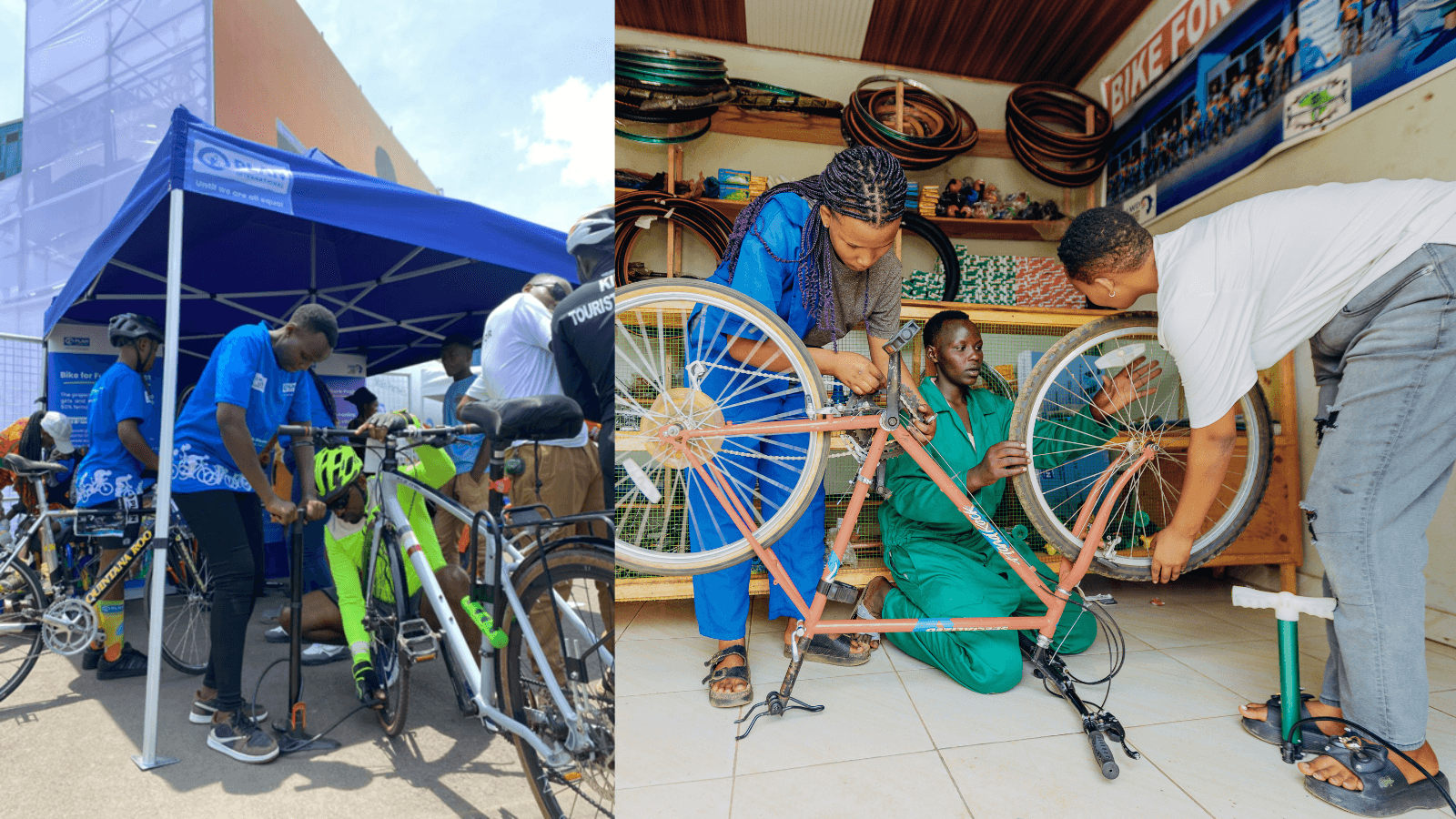
“It was incredibly rewarding when riders came to me for my technical support. They were surprised to see a young woman fixing racing bikes. It reminded me how valuable these skills are. I felt proud to contribute to a safe ride and realised just how important my role is.”
Shemsa also spoke about the impact of her training back home.
“In my community in Bugesera, finding a sports bicycle mechanic used to be impossible. People had to travel all the way to Kigali. Thanks to the Bike for Future project, we’re changing that narrative,” she added.
Bike for Future: Where sport meets opportunity
The Bike for Future team, 35 girls and 5 boys, are pursuing ambitious goals through cycling. They are challenging gender stereotypes, nurturing youth talent, and showcasing the power of inclusion and equality in sport.
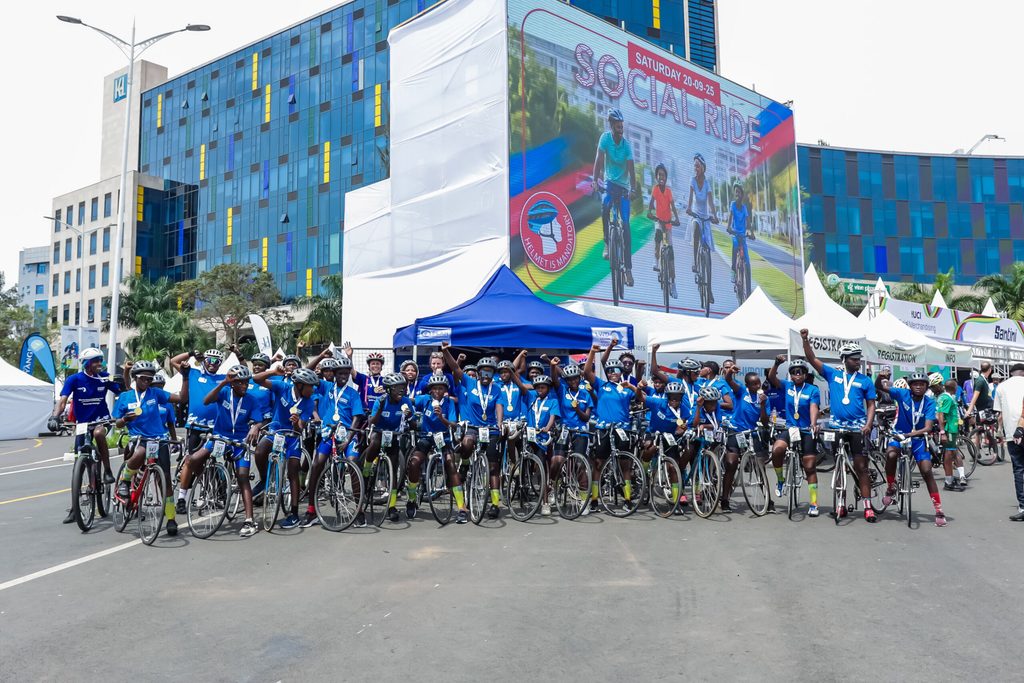
By working closely with local partner Tugende, the Bike for Future team’s participation in the Kigali Social Ride, a side event of the UCI Road World Championships, provided a vital platform for advocacy. It promoted better access to sport for all, especially girls, not only for physical wellbeing and enjoyment, but also as a pathway to future careers.
“By combining sport with vocational training, the project creates pathways for young people, particularly girls and young women, to thrive, challenge gender norms, and build sustainable futures,” said Emilie Fernandes, Country Director of Plan International Rwanda.
Jean Claude Mwiseneza, Executive Director of Learn Work Develop, added:
“We’ve seen the transformative impact of empowering young people, especially girls. Many have competed at high levels, won medals, and become professional cyclists. Others have gained vocational skills that have changed their lives and improved their employability.”
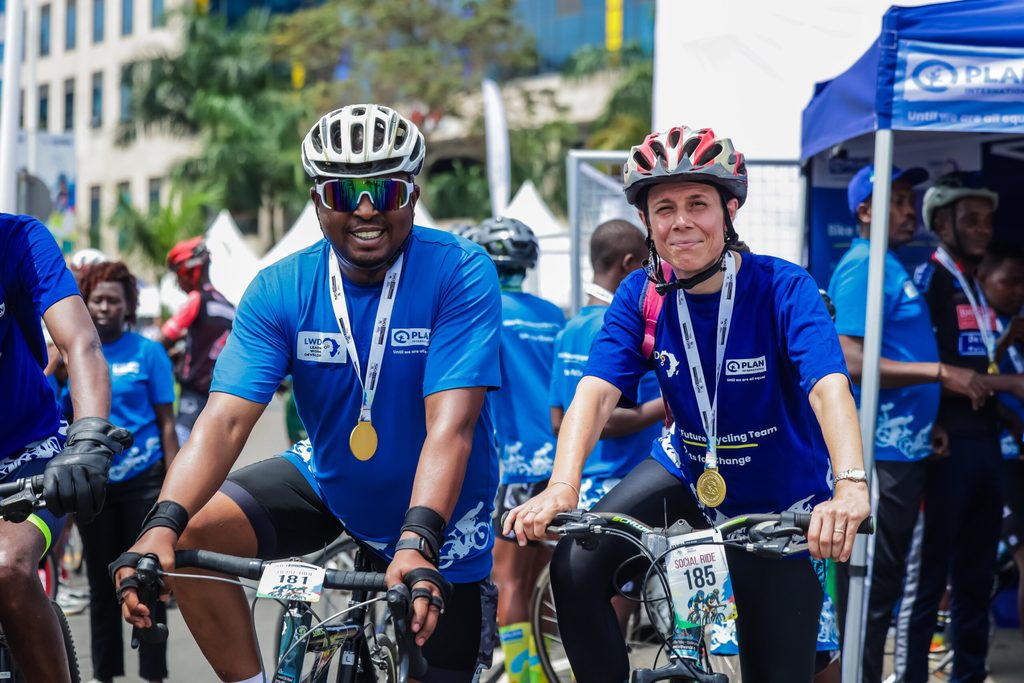
Launched in 2023, the Bike for Future project uses a ‘Sport for Change’ approach to promote equal access to cycling and related professions. It opens doors for girls and young women to pursue both sporting and vocational opportunities.
The initiative is implemented by Plan International Rwanda in partnership with Learn Work Develop Rwanda, and funded by Plan International Belgium, Plan International Rwanda, Belgian corporates (Bioracer, Golazo, Lazer, Delaware, Velo Afrique and Spoq), Kigali Water Limited, Laureus Sport for Good, with support from Agence Française de Développement (AFD) and the International Olympic Committee.
The project has currently reached 40 participants (35 girls, five boys) in cycling, 107 participants in vocational training (welding, bicycle mechanics, tailoring, plumbing, and ICT), 60 participants (40 girls, 20 boys) in basketball, and 30 girls in volleyball across Bugesera and Gatsibo Districts.

Related pages