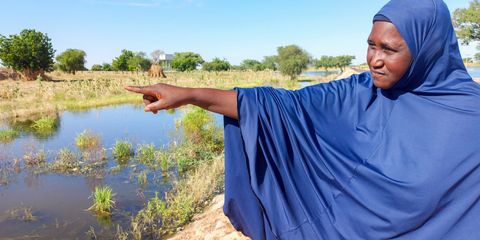
How Halima is helping her community prepare for floods
Empowering young women to strengthen community resilience against seasonal floods in Yobe State.
In Yobe State, north-eastern Nigeria, flooding is a recurring crisis that destroys homes, livelihoods, and access to essential services. For Halima, a 20-year-old community volunteer living near the Yobe River, the effects of floods are personal and devastating, with families forced to rebuild from nothing year after year.
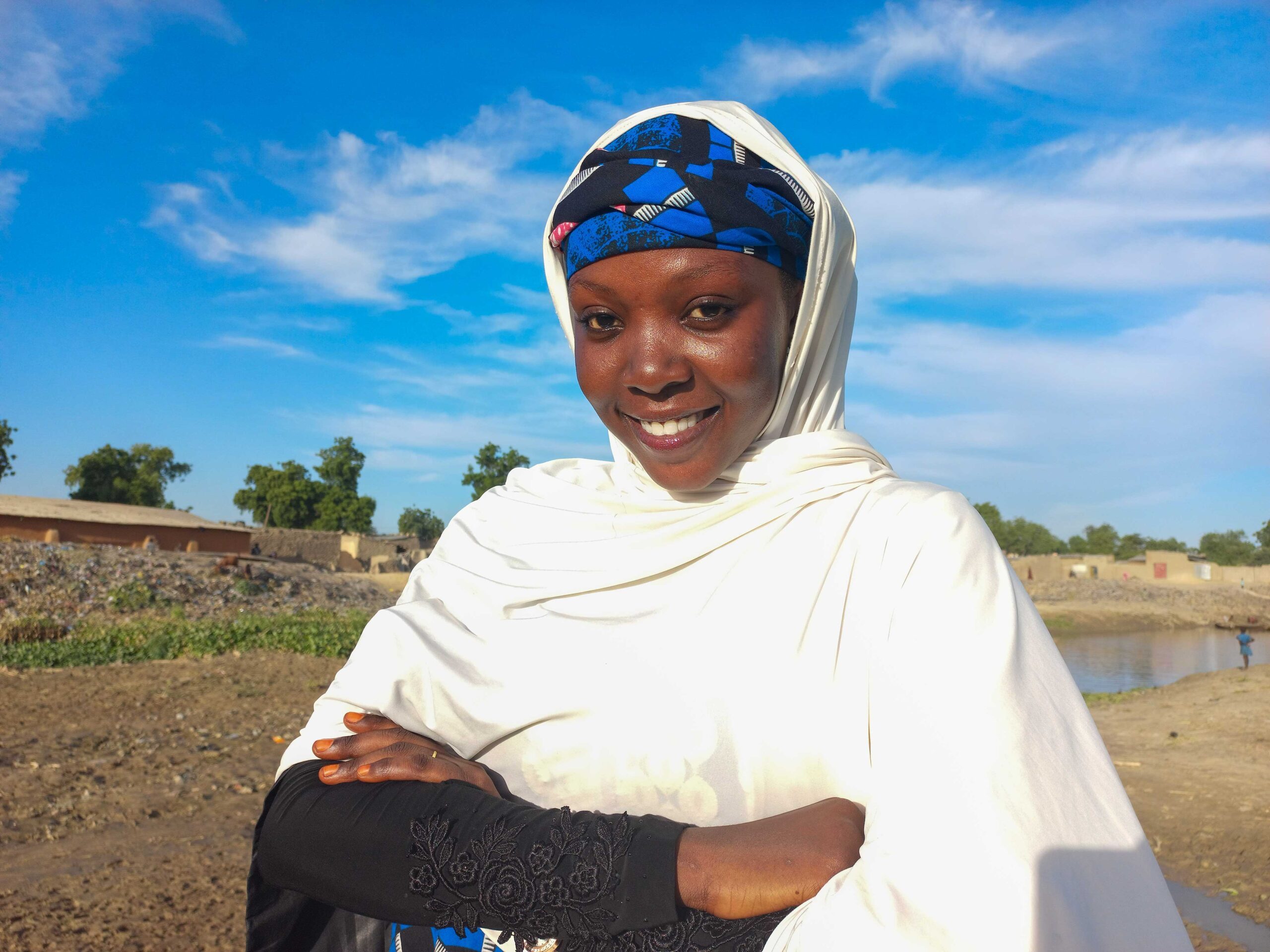
From risk to prepared
Determined to help her community prepare better, Halima participated in a three-day training on disaster preparedness and anticipatory action supported by Plan International. The training covered early warning systems, evacuation planning, and psychological first aid. It also strengthened collaboration between young people and community leaders, giving Halima practical skills and confidence to take a leadership role.
“The training gave me the confidence to support my community before and during floods, and to help others protect themselves,” Halima shared.
Taking action and building resilience
Following the training, Halima worked with community leaders to develop an evacuation plan and identify a safe meeting point on higher ground. She now shares early warning messages, guides families to safety, and supports children, older people, and other vulnerable community members during floods.
“The training gave me the confidence to support my community before and during floods, and to help others protect themselves.”
~ Halima
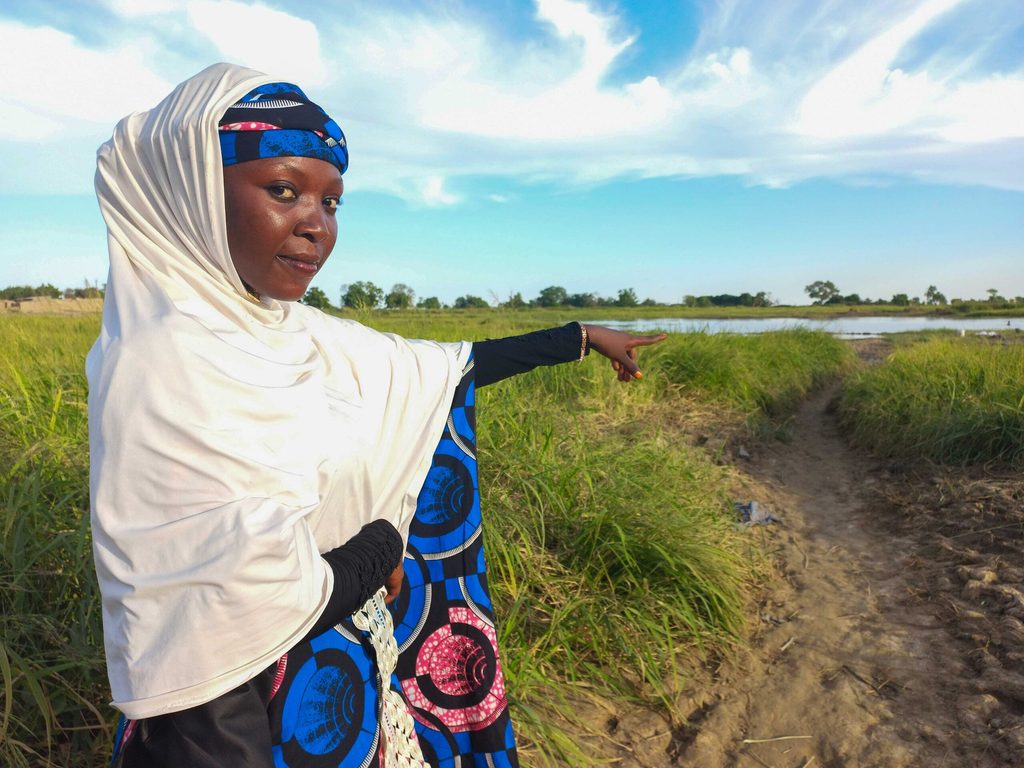
Her story reflects the wider impact of climate change in Nigeria, where increasingly severe floods continue to displace millions each year. In response, Plan International works with government authorities and communities to strengthen resilience through anticipatory action, including training early warning committees, clearing drainage systems, and pre-positioning essential supplies such as dignity kits and other non-food items.
Through these efforts, more than 21,000 vulnerable people, including 10,500 girls and women, are receiving support across Yobe, Borno, and Adamawa states. A total of 160 community leaders, including women and young people, have been trained in evacuation planning and safeguarding measures to protect girls during emergencies.
Halima’s leadership demonstrates how empowering young women with skills and knowledge can strengthen community resilience, reduce risk, and protect lives before disasters strike.
Categories: Emergencies
Related pages