Rapid Gender Analysis in Somalia
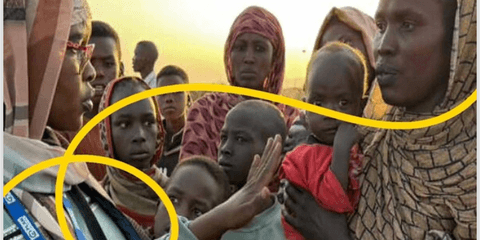
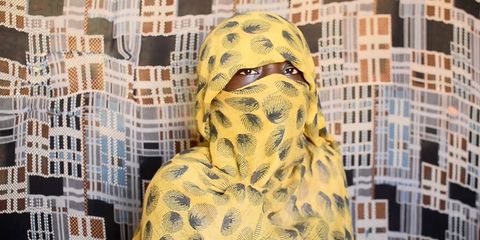
The analysis, conducted in December 2025, sought to understand how conflict and drought have altered gender roles and power relations.
The survey engaged 502 households representing 3,257 individuals across 6 districts in Somalia, offering critical insights into shifting roles, emerging risks, and opportunities for transformative change.
Somalia’s current humanitarian landscape is defined by a volatile mix of prolonged drought,
protracted conflict, and rising market pressures. These compounding factors have triggered
widespread food insecurity and mass displacement, eroding the hard-won coping capacities
of households across the nation.
In 2026, an estimated 4.8 million people across the country are expected to require humanitarian assistance, with more than 4 million facing Crisis or worse outcomes (IPC 3+). The most affected include 3.3 million internally displaced people and an estimated 1.85 million children under five at risk of acute malnutrition. These figures reflect the depth and persistence of humanitarian need across Somalia.
This Rapid Gender Analysis was commissioned to move beyond general statistics, providing a deep, evidence-based look at how this crisis specifically reshapes the lives of women, men, girls and boys in 6 targeted districts: Baidoa, Beledweyne, Bosaso, Eil-Afweyn, Lughaya, and Zaylac.
The analysis examines how gender roles shifted due to the crisis and what this means for designing gender‑sensitive programmes and challenging harmful norms.
Download the report
Download options
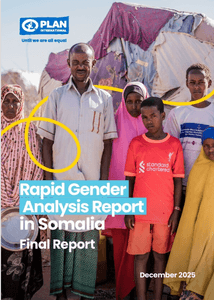
Somalia RAPID GENDER ANALYSIS REPORT 2026
8.22 mb
Categories: Education, Emergencies, Protection from violence, Sexual and reproductive health and rights
Related pages