Somali women saving lives during drought, excluded from decision-making
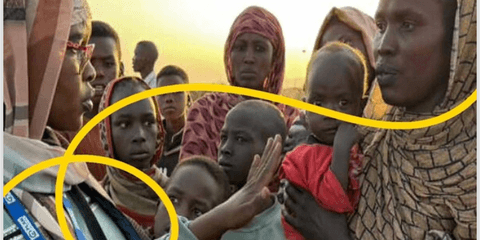
A new assessment shows that women in Somalia are carrying the heaviest burden of the ongoing drought – providing food, care, and stability for their families – yet their voices remain largely absent from decisions that shape their lives. The findings highlight urgent gaps in participation and protection, while pointing to opportunities to better support women’s leadership and influence in humanitarian, recovery and long‑term resilience efforts.
Women in Somalia have long played supportive economic roles, mainly focused on childcare and small-scale activities such as milk processing, while men traditionally controlled major assets like livestock and farmland.
The 2025 drought, that has left an estimated 4.8 million people across the country in need of humanitarian assistance, has however significantly reshaped these roles according to a new assessment by Plan International.
The assessment shows that women are now shouldering the primary responsibility for sustaining their families with many pushed into petty trade, domestic labour, and firewood collection, all while maintaining unpaid care work.
At the same time, men’s traditional livelihoods in pastoralism and farming have collapsed, creating rising stress, unemployment, and pressures around youth migration. The loss of income and social status has increased psychosocial strain for men, contributing to domestic tension and heightened risks of intimate partner violence.
Persistent barriers for women
Despite women’s growing economic role, the assessment found that women continue to face persistent barriers that include limited access to finance and assets, restricted movement due to insecurity and social norms as well as exclusion from community decision-making. Though women continue to show resilience through informal savings groups (Ayuto/Hagbad) and adaptive strategies, time poverty and lack of infrastructure continue to constrain their economic potential.
The assessment, conducted in December across 6 districts in Somalia also highlighted the increased protection risks for girls and women as well as intensified needs resulting from displacement and infrastructure collapse. 60% of women reported frequent conflict exposure especially around water points, in unlit shelters and across crowded displacement settlements. Girls are facing heightened threats of sexual violence, early marriage pressures and limited menstrual hygiene support – factors driving a 49.6% school dropout rate.
Somalia at crossroads
The humanitarian community in Somalia stands at a critical crossroads. Unprecedented funding reductions have significantly constrained the collective capacity to deliver essential and life-saving assistance. Millions of people who have relied on humanitarian aid are now losing their only source of support. Food assistance has declined or ceased altogether in many areas, water and nutrition services have been reduced, and access to healthcare is deteriorating as facilities close and outreach services are scaled back. Across large parts of the country, humanitarian presence has diminished at a time when needs remain high, increasing the risk of preventable illness, displacement and loss of life.
Women as central economic actors
The assessment calls for urgent, inclusive interventions that recognise women as central economic actors. Priority actions include:
- Treating water, sanitation, and shelter as protection services to reduce risks for women and girls.
- Expanding school feeding programmes and providing menstrual hygiene support, safe sanitation facilities, and privacy for girls.
- Establishing youth centres to reduce involvement in dangerous work, drug use, and unsafe migration.
- Strengthening community‑based protection and governance systems, including setting up police posts or gender‑based violence desks near displacement settlements.
“The crisis has opened a rare window for gender transformation. If humanitarian and development actors invest intentionally in women’s economic leadership, youth opportunities, and community-based protection systems, Somalia’s current emergency could become a turning point toward more equitable and resilient gender relations.
We urge governments, donors and humanitarian partners to prioritise gender‑responsive approaches that recognise women’s leadership, address their unique risks, and ensure they have an equal voice in all stages of the response.” Says Sadia Allin, Plan International Country Director Somalia.
Categories: Education, Emergencies, Protection from violence, Sexual and reproductive health and rights
Related pages