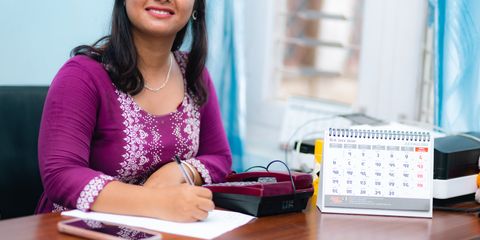
Female electrician and community leader
In a profession traditionally reserved for men, female electrician Bipana has redefined the rules and flipped the switch on gender norms.
Plan International has been working in Nepal since 1978 to help marginalised children, families and communities access their rights to survival, protection and participation.
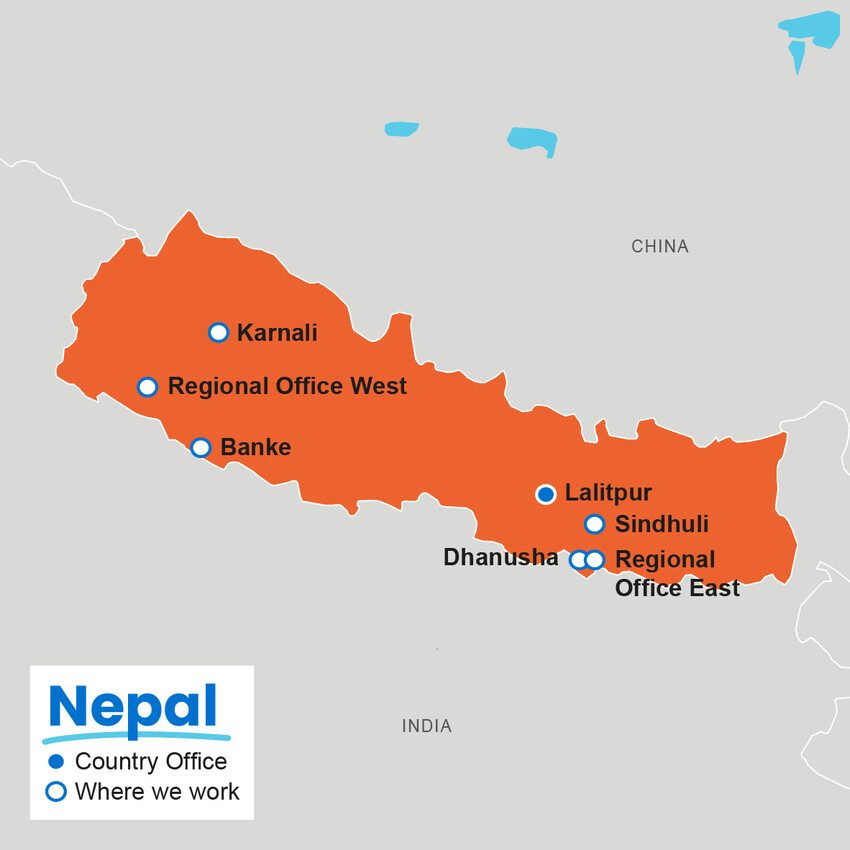
At present, we run programmes in 23 districts, working with partners to strive for a just world where we are all equal.
Nepal remains a highly patriarchal society and minority groups are especially vulnerable. Girls’ and women’s access to social, economic and political power is limited and they are subject to harmful social norms and practices.
We tackle the root causes of the challenges and inequalities that children and young girls face. We won’t stop until we are all equal.
Our priorities include:
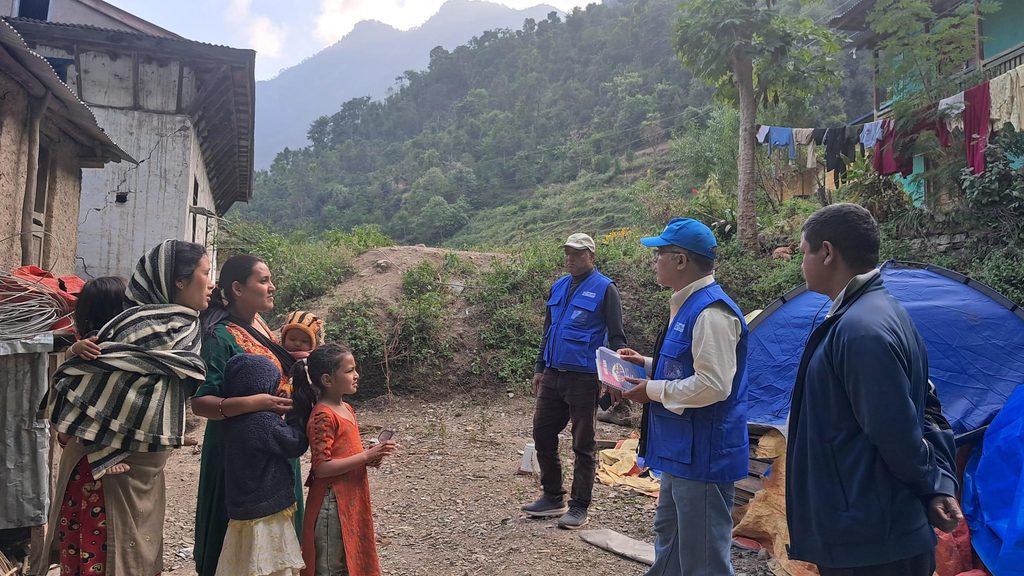
Plan International Nepal is providing life-saving support to children and families worst-affected by the earthquake in Karnali on 3 November.
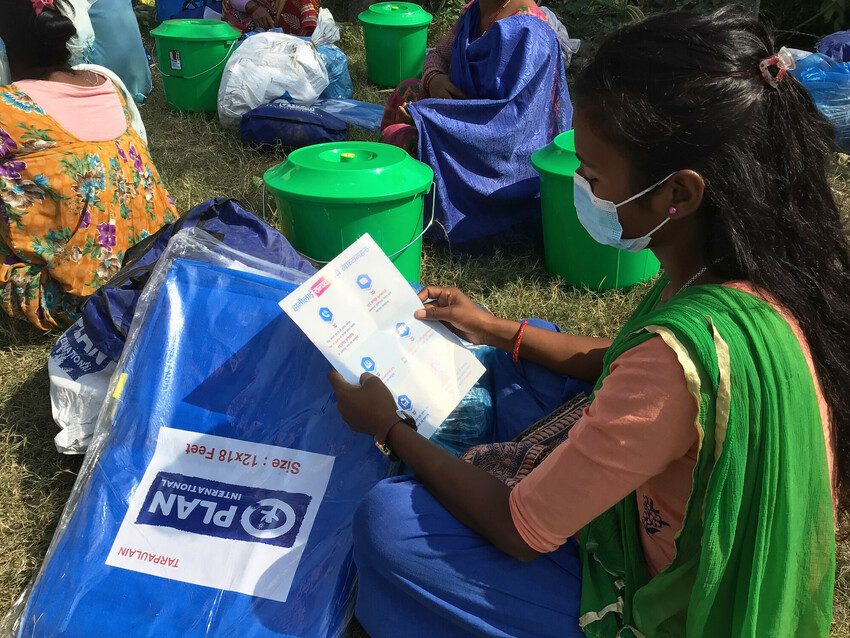
Working with children and communities to reduce the risks caused by disasters.
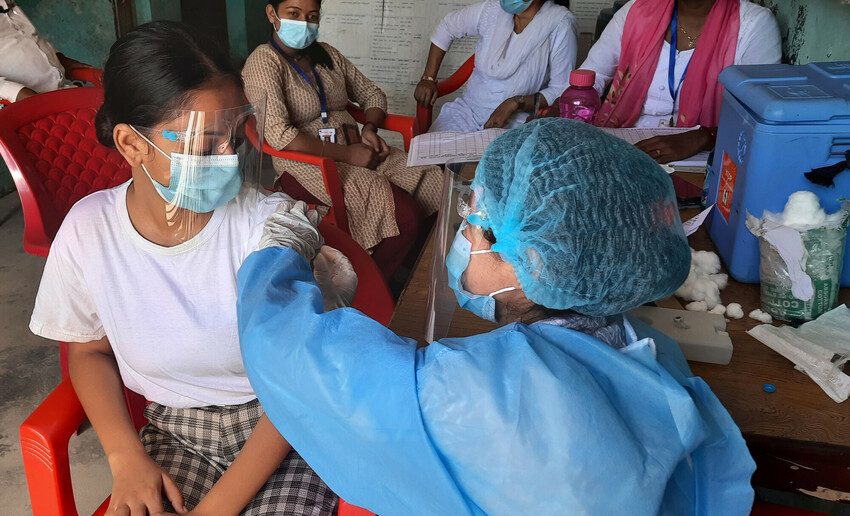
Supporting the government response to contain the COVID-19 pandemic in 9 districts across Nepal.
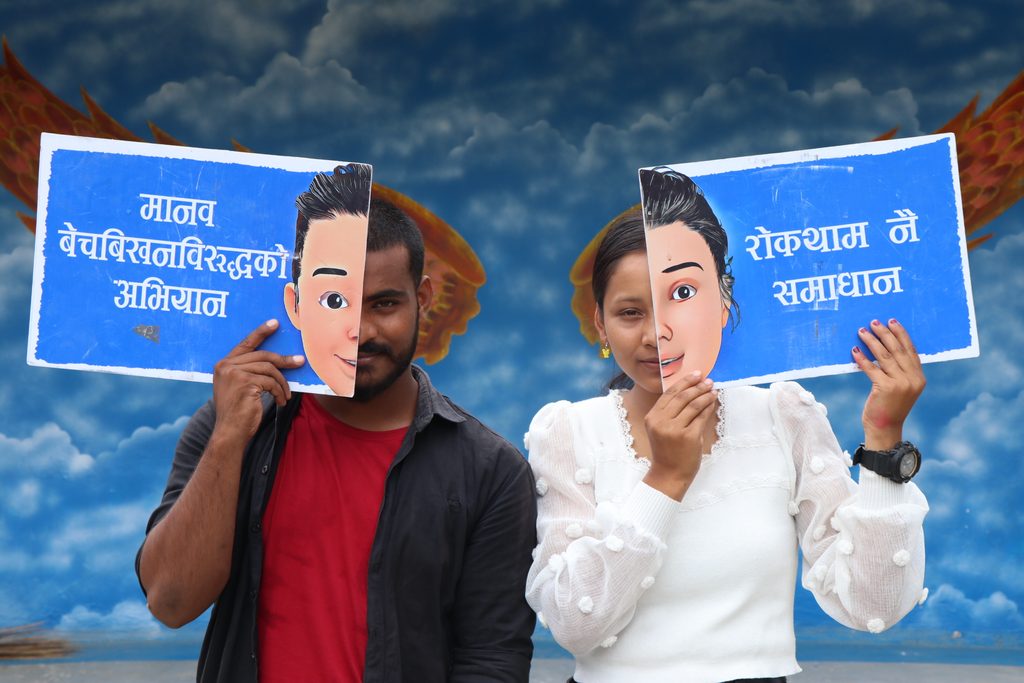
Preventing child and human trafficking, improving repatriation and supporting survivors.
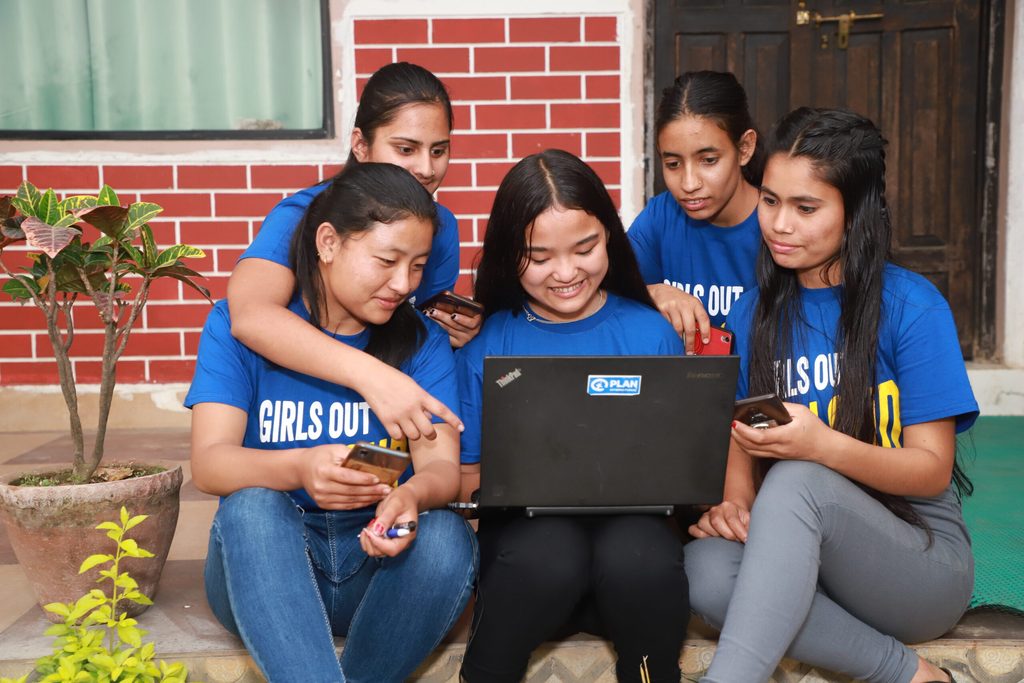
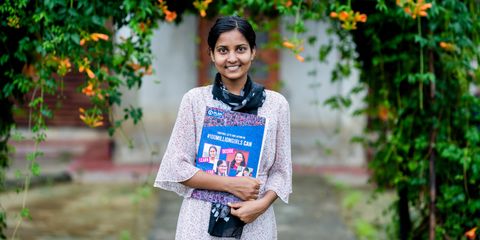
We support girls to learn skills required to follow their ambitions and achieve a positive future.
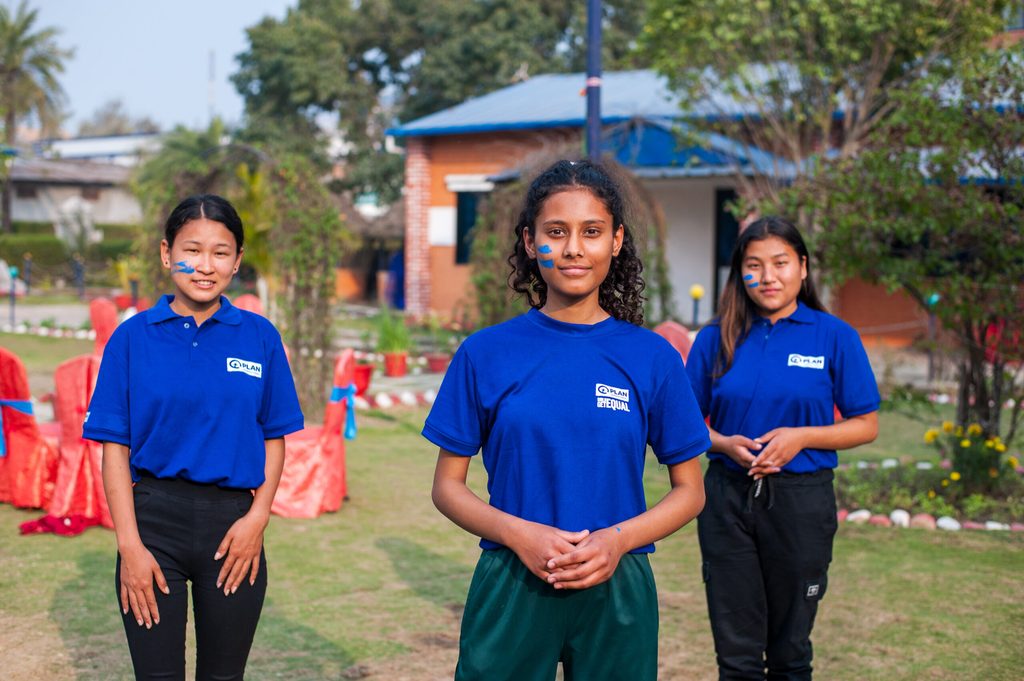
We’re working alongside children and communities to end harmful norms and practices so girls can make key decisions about their bodies and futures.
We’re promoting children’s full and healthy early development and are protecting them from all forms of violence and exploitation so they can fulfill their potential.
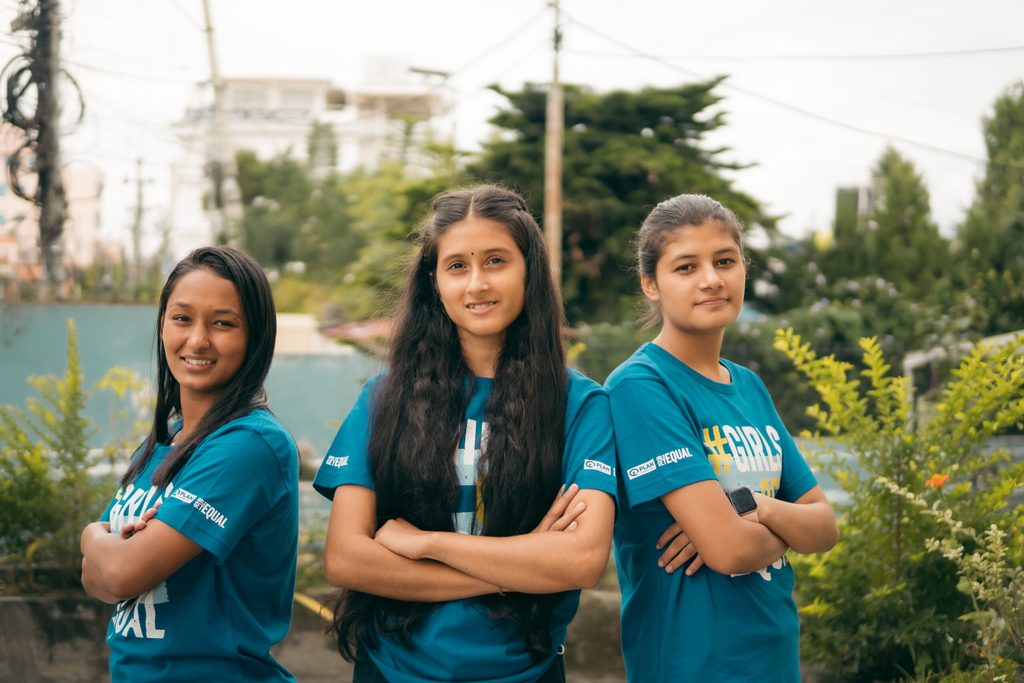
We’re working to end child marriage alongside girls, their communities and power holders at all levels.
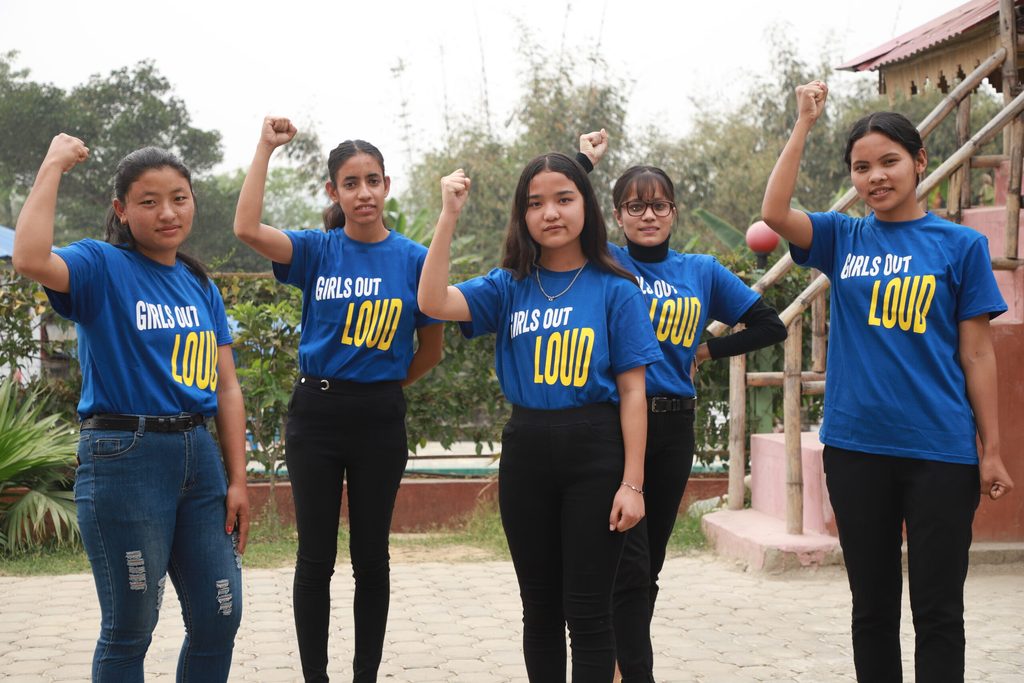
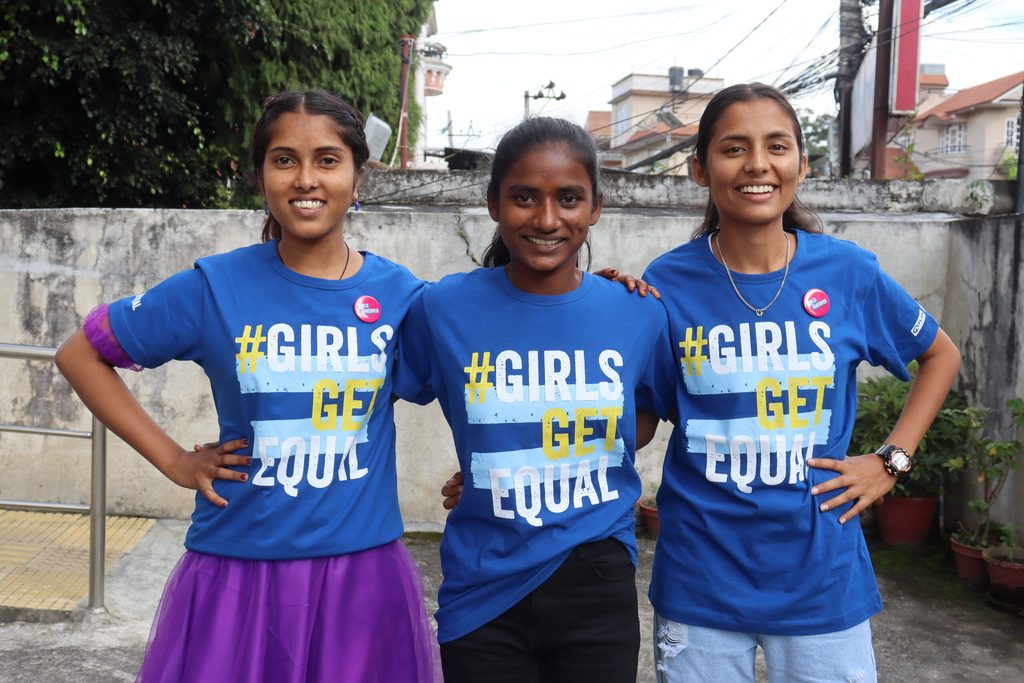
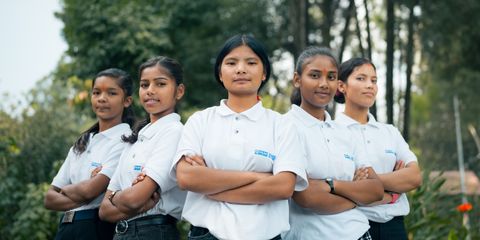
Girls Get Equal is a campaign for girl’s power, voice and leadership.
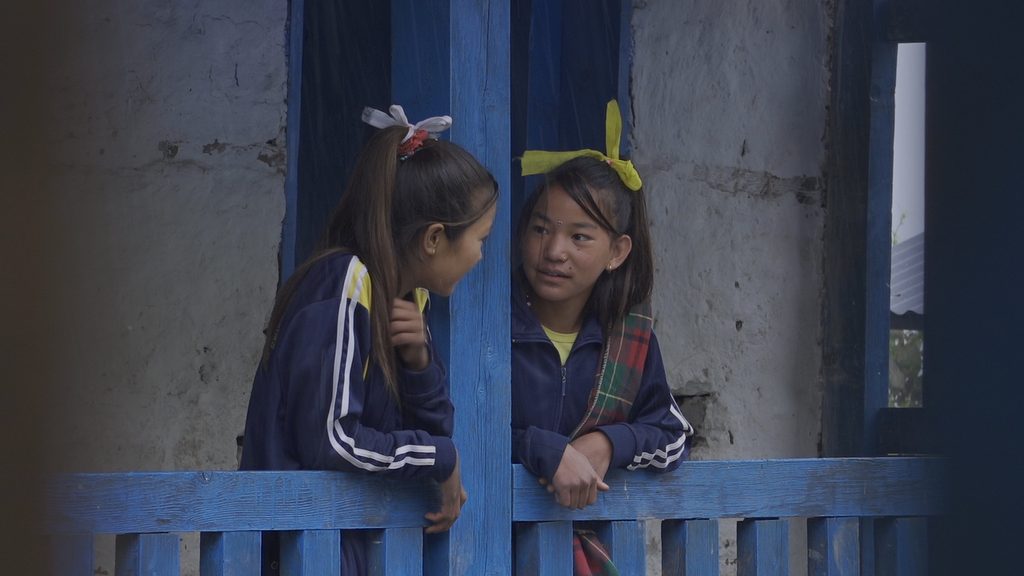
We are changing the way schooling is delivered so it meets children’s needs in a fast-changing world, and in a way that reduces the widening inequalities in access to education.
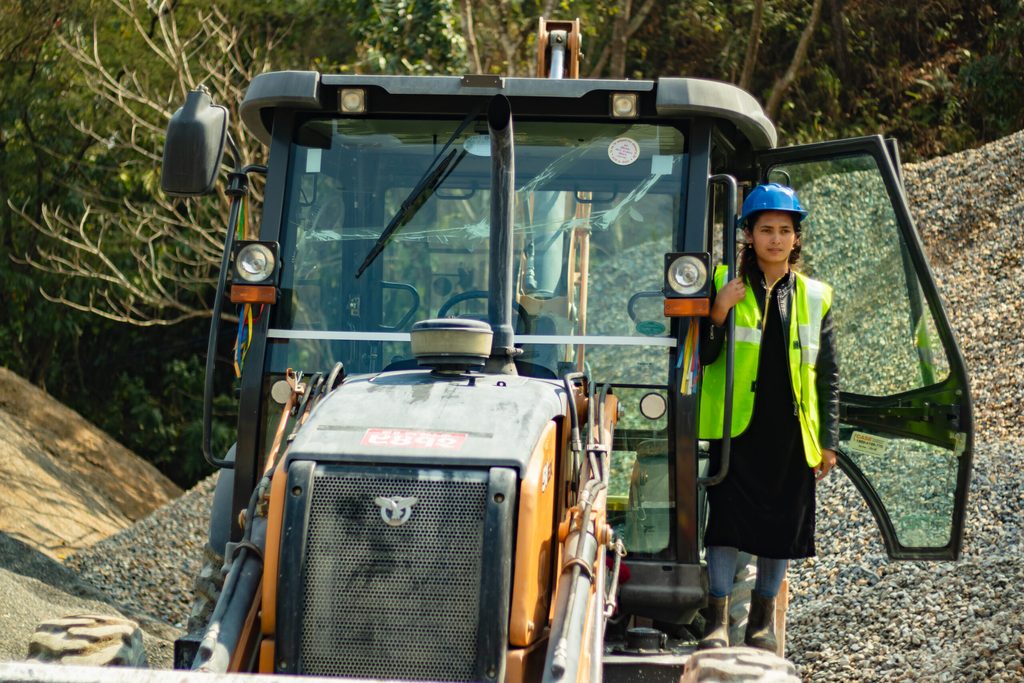
We provide market-driven skills training for young women aged 18-24 to create job or entrepreneurship opportunities.
P.O. Box 8980,
Maitri Marg,
Bakhundole,
Lalitpur
nepal.co@plan-international.org
Follow us: