What we do
Plan’s work in Bolivia covers 5 key areas, all of which are rooted in the rights of the child:
- social governance in favour of children and adolescents
- healthy and happy children and mothers
- learning for life
- improved income and participation
- healthy environments
Social governance in favour of children and adolescents
Children and adolescents have the right to participate in decisions that affect their lives. This programme addresses the issue of exclusion for children and adolescents, as well as women - especially the indigenous.
Our initiatives include enabling these groups to exercise their rights and participate in networks and alliances that promote their agendas.
Healthy and happy children and mothers
Our early childhood care and development programme improves the development and growth of children aged 0-5. We also run programmes to tackle childhood illnesses and promote maternal health through our ‘safe motherhood’ programme.
The programme increases the capacities of communities to address the main child development and health issues. Community health workers are one of the most important actors; these volunteers are chosen by their own communities and then trained and equipped by Plan. They are provided with materials for holding educational meetings with parents, supporting vaccination campaigns and carrying out periodic family visits.
Learning for life
Plan Bolivia strives to ensure that children aged 6 to 14 years access quality education that will develop their skills, abilities and awareness of their rights in the support of their personal development.
Our activities include teacher training, research with action plans to solve learning problems in the classroom, accompaniment and follow-up on teacher and student performance.
Improved women and adolescents’ participation and income
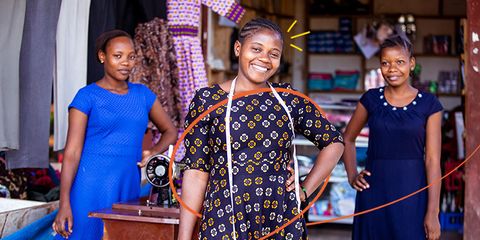
Families enhance their children’s quality of life through improved income and increased participation of women and adolescents in decision-making. Plan Bolivia promotes healthy feeding practices, provides income generation activities, such as vocational training, and supports the empowerment of women and adolescents.
Healthy environments
Children and their families maintain healthy environments through access to safe water and sanitation, as well as the active control and prevention of endemic diseases related to environmental conditions.
This is done with the participation of children, families, communities and municipalities. We develop their capacities to improve existing water systems or to build new ones and to construct toilets and latrines. This infrastructure and equipment is being accompanied by behavioural change strategies to ensure the long-term use and maintenance of these systems.