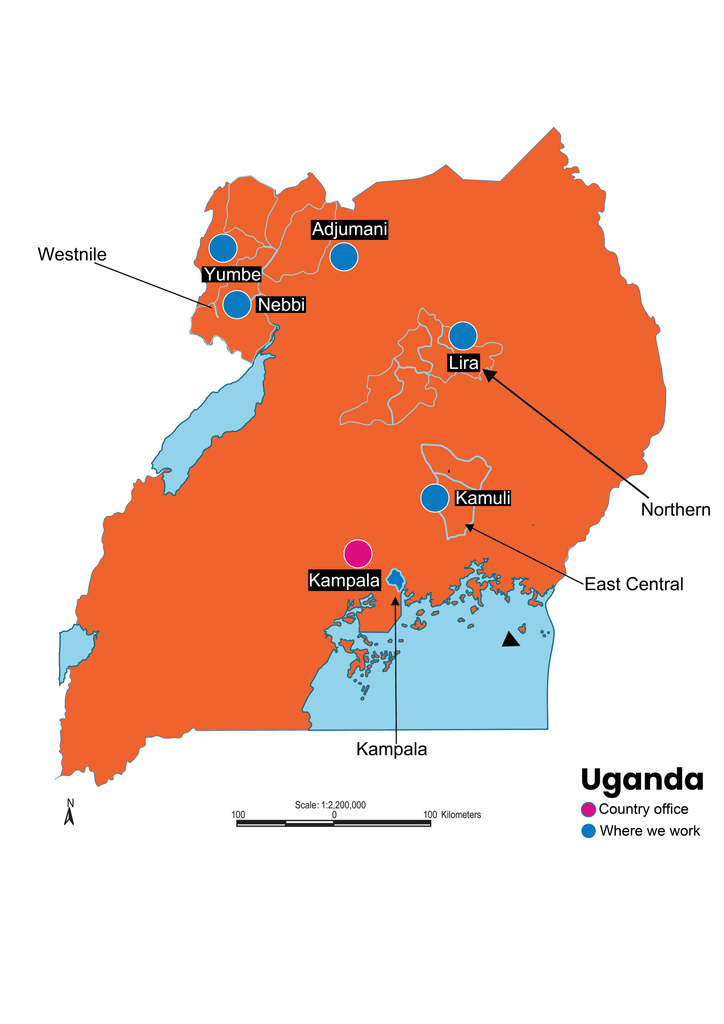
Racheal demands a political voice for girls with disabilities
Racheal embraces her disability, becoming a political voice for all girls with disabilities when she speaks at the Human Rights Council.
Plan International started working in Uganda in 1992 to respond to the needs of children affected by a guerilla war in Luwero district.
Since then we have worked alongside communities on many different issues to improve millions of children’s lives.
Our work is aligned with the Global Goals, the African Union’s Agenda 2063 and Uganda’s National Development Plan III. Gender equality and the empowerment of girls and women are at the centre of our work.
We won’t stop until we are all equal.
Our priorities include:
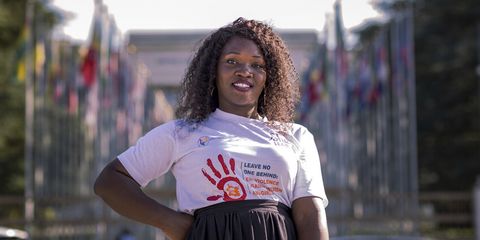
LEARN focuses on quality learning experiences for children, from early childhood to working age, while building their skills for life.
DECIDE focuses on promoting the protection of girls from child, early and forced marriage, and from unplanned, undesired, or forced pregnancy and sexual violence. This is achieved through designing programmes that enable young people to access adolescent sexual and reproductive health and sexual and gender-based violence services.
To effectively deliver on these priorities, our programmes are designed to integrate LEAD as a foundation; empowering young people to participate in governance, take decisions and act on issues that matter to them.
Ensuring children and youth, especially girls, reach their full potential in communities that promote their rights and gender equality.
NECA House,
Plot 1,
Bandali Rise,
Kampala
+256 312 305000, +256 414 305000
uganda.co@plan-international.org
Follow us: