Plan International Worldwide Annual Review 2023
Plan International Worldwide Annual Review and Combined Financial Statements.
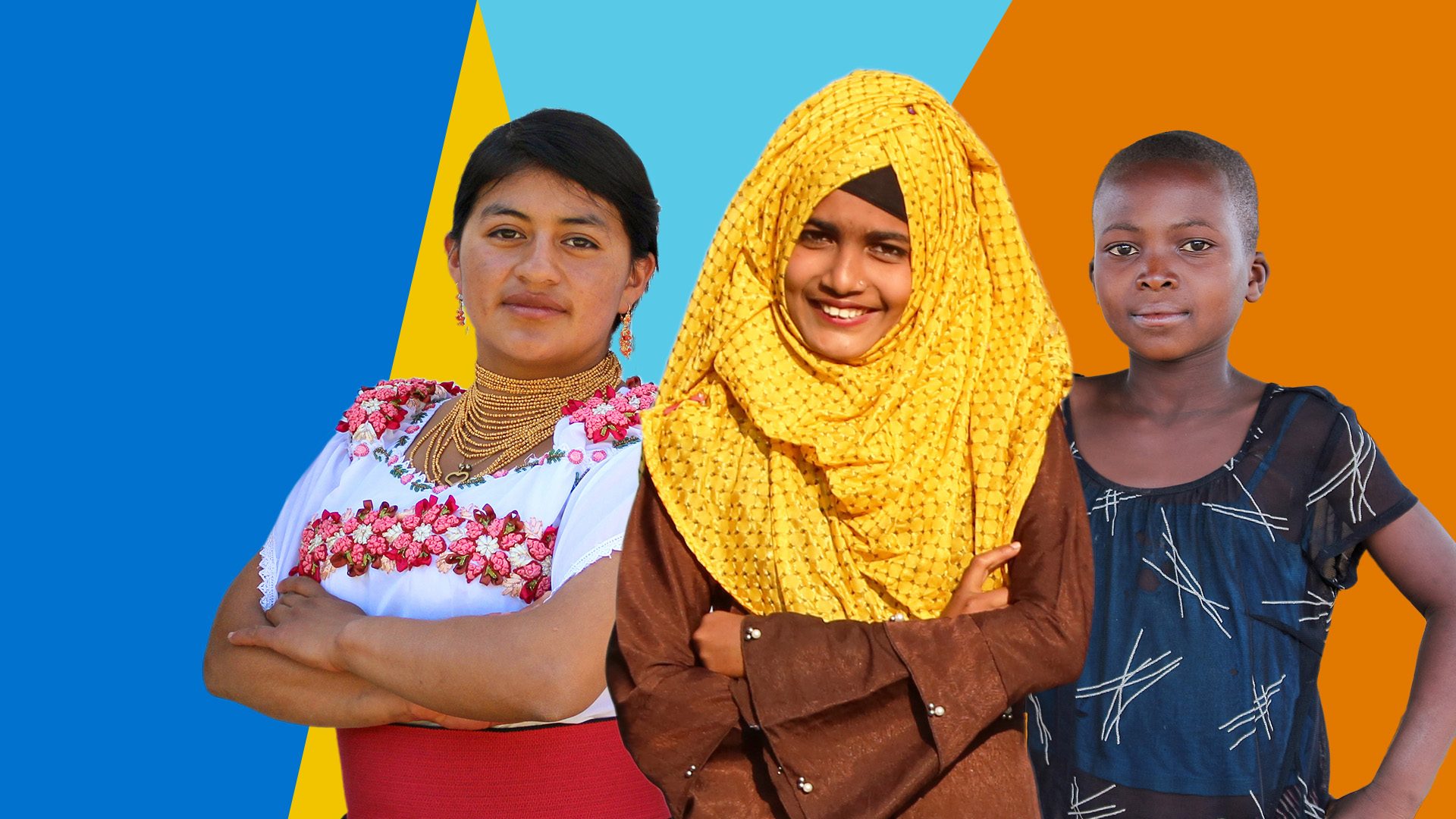
We are Plan International; we work with children and girls in over 80 countries to help create a world where we are all equal.
Our ambition from now to 2027 is to see All Girls Standing Strong Creating Global Change.
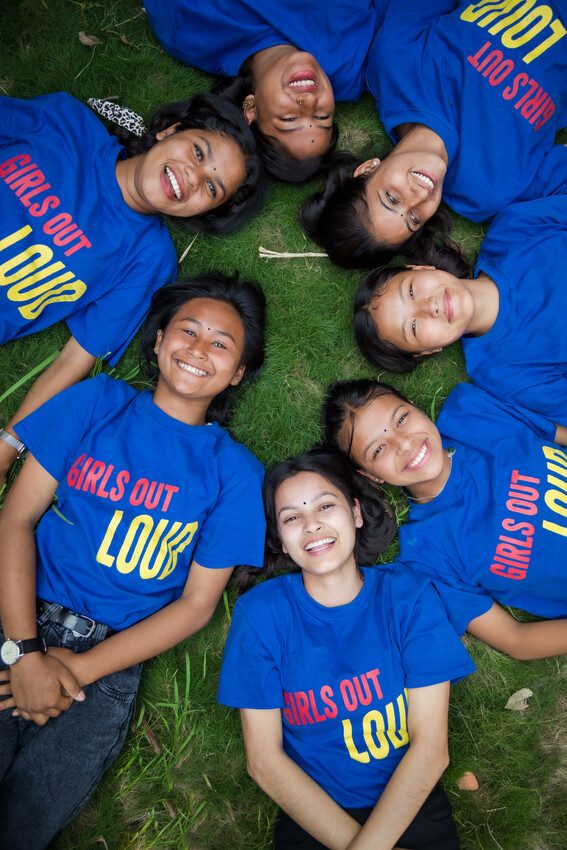
Working together we will create:
We aim to improve the lives of 200 million girls in the next five years. When girls thrive in a more equal world, we are all stronger for it.
The priorities that will help achieve our ambition are:
We will deepen our focus on girls’ rights, especially for adolescent girls and young women, so they can learn, lead, decide and thrive.
Our priority areas of work are :
• Learn: Inclusive Quality Education and Skills and Decent Work
• Lead: Young people driving change
• Decide: Sexual and Reproductive Health and Rights
• Thrive: Early Childhood Development and Protection from Violence
We will work, alongside partners and together with boys and men to support girls in all circumstances, especially those living in fragile contexts or fighting injustice.
We will also work to help address the climate crisis and the devastating effects it has on girls and young people.