Kasungu Programme Unit
Northern Region
Communities: 32
Population: 87,577 (2008)
Sponsored children: 7,500
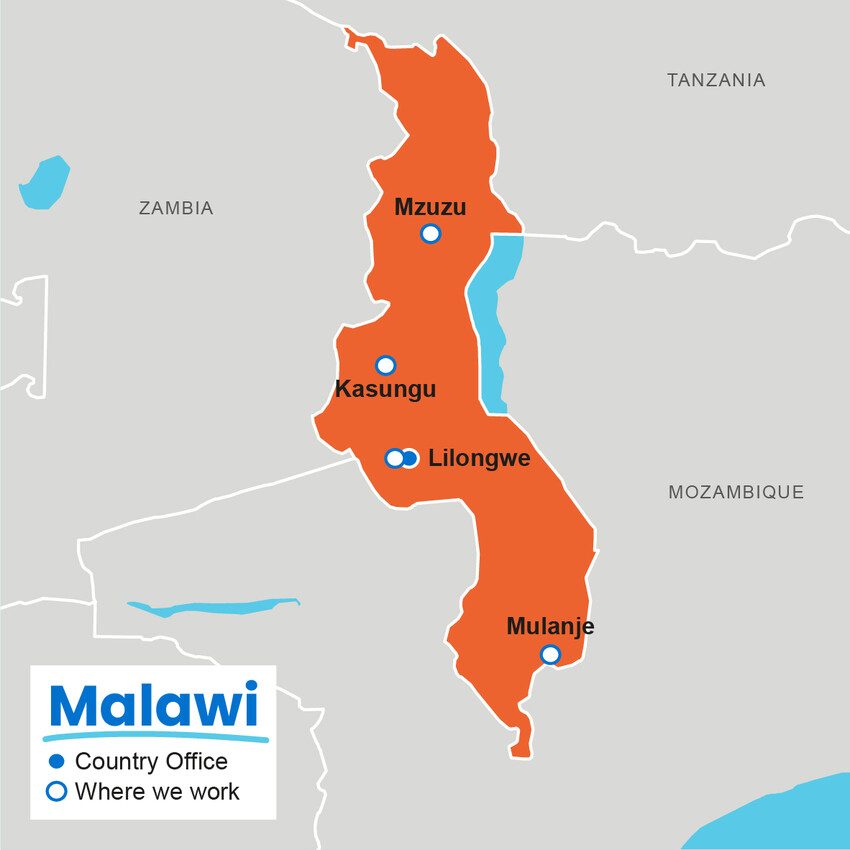
Plan started working in Malawi’s Kasungu district in 1994. The district is about 100 kilometres North of the capital, Lilongwe. The mains ethnic groups are Chewa and Tumbuka, Over 90% of the population lives on agriculture and most families live on less than US$1 per day.
Programme highlights
Maternal and child health
Plan has participated in a number of health care activities including child health week, safe motherhood and accelerated child survival programmes. We have rehabilitated maternity wings to make sure that more mothers give birth in a safe environment.
We also continue to provide safe and potable water through the drilling of boreholes and have managed to support communities to create defecation-free villages.
HIV and AIDS
Plan has worked on building awareness and reducing stigma on HIV and AIDS. We have focused on extending the parent-child relationship, preparing families for transition and ensuring the child’s future strategies.
Plan has also trained community-based organisations on how to manage their global funds provided for HIV and AIDS work.
Food security and livelihoods
Through the Initiative for Development & Equity in African Agriculture (IDEAA), Plan is working on a 2-year community managed microfinance project using a village savings and loans approach to increase household disposable income and promote sustainable services that cater for rural household needs.
Quality education support
Plan is working to improve the quality of education through the construction of teachers’ houses, school blocks and sanitary facilities, provision of learning materials and teacher training.
We run a school feeding project in collaboration with the World Food Programme (WFP) aimed at improving retention of pupils and we also promote school linking projects with schools in the UK.
Child rights, gender and community empowerment
We are training local and regional child protection committees and are helping to raise awareness on school related violence to increase children's and communities’ recognition, response and monitoring of violence against school children.
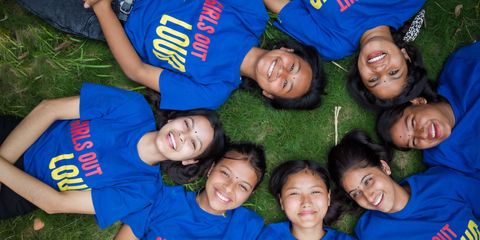
Plan’s Learn Without Fear campaign is enhancing the development of healthy relationships among school children, teachers and parents - encouraging participation in the children’s parliament and child advocacy campaigns.
Plan is also running a pilot child helpline project, in partnership with a local non-governmental organisation to support reporting and response to child abuse.
Support Plan’s work: sponsor a child